The Essential Guide to Painting Interior Doors: Tips & Rules

February 28, 2024

It’s so easy to take your doors for granted, isn’t it? You pass through them day after day, and you barely notice those bumps, scrapes, and scuffs start to accumulate. Have kids or pets? Well, maybe you do notice then…


Repainting your doors
can be an incredibly satisfying and transformative experience, breathing new life into your home. But, you have to do it the right way for the right results.
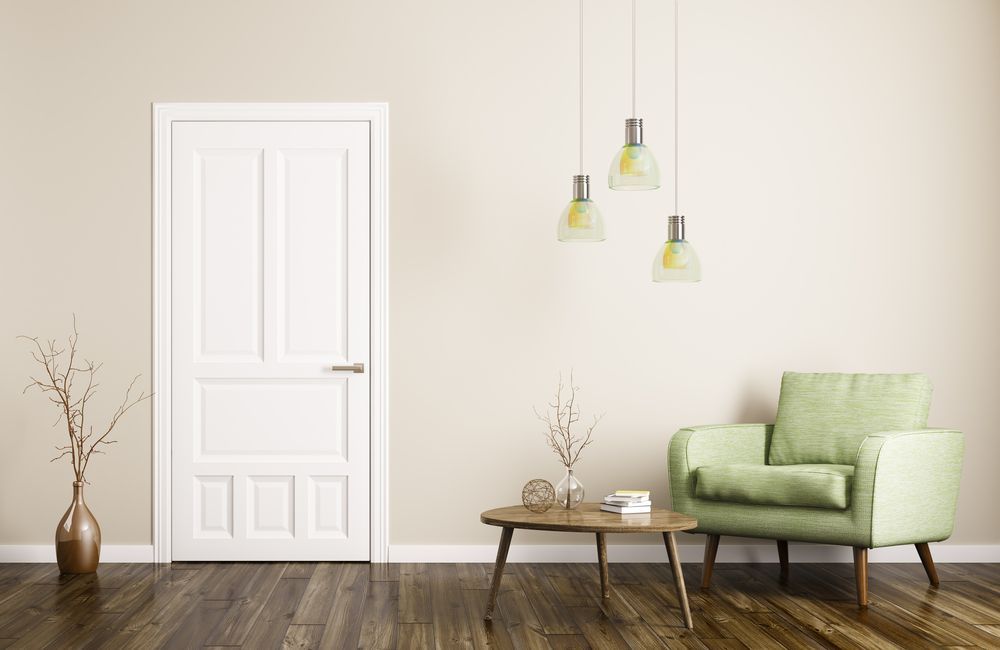
A living room with a green chair , table and door.

Today, let’s dive into a few tips and tricks that will equip you with everything you need to know, ensuring that your new paint looks amazing and has performance to match. After all, few things are more frustrating than getting those surfaces looking just right, only to have the paint fail after a month or three.


Ready?


How To Prepare Interior Doors for Paint


Here’s the secret to a gorgeous paint finish: preparation.


These steps might seem tedious, and you could find a “hack” on Pinterest that offers a workaround, but honestly? There’s just no substitute for the right products, the right tools, and elbow grease.


Start by removing the door from its hinges and taking off any hardware. Clean the door with a mild detergent to remove dirt and grease, then sand it down to ensure the new paint adheres well. 

Here’s what you’ll need:


  • Fine-grit sandpaper
  • Tack cloth or a damp rag
  • Screwdriver (for hardware removal)
  • Painter’s tape
  • Drop cloths or plastic sheeting


Picking the Right Paint for Your Doors


Pick your paint carefully. Starting broadly, you have two options: oil based or latex.


Oil-based paints are renowned for their durability, but they’re also smellier, harder to work with and clean up, and not as forgiving. In most cases they’re not necessary unless you’re going for a really specific, high-end finish.


Latex paint, especially products designed for doors, trim, and cabinets that cure to a harder finish, are a solid choice. They’re lower-odor, quick to dry, and easier to clean up. 


Your next choice is going to be the finish type. Remember, glossier paint is typically more durable and washable, but it’s NOT as forgiving of surface imperfections. Matte and satin finishes offer a smoother style that might not be quite as strong but look fantastic and are a breeze to touch up down the road. 


What's the Best Way To Paint an Interior Door?


You can spray a door, and many pros do, but that’s a whole different discussion. Spraying requires very specific skills, tools, and experience, otherwise it can be a messy disaster. 

Assuming you’re going to opt for the classic brush and roller instead, here’s a quick recap of how to tackle the job:


  • Priming: Apply a primer to ensure even color coverage and stronger paint adhesion. Then let it dry, thoroughly…
  • Painting: Begin with the edges and details, using a brush for precision. For flat surfaces, use a small roller to avoid brush marks. Apply paint in thin, even coats.
  • Drying: Wait for the paint to dry completely before applying the next coat. 


Common mistakes to avoid? Rushing the drying process and applying paint too thickly. Patience is the name of the game here, trust us.


4 Pro Tips To Keep in Mind


Follow these rules and you’ll be way ahead of the curve:


  • Rule 1: Ensure your work area is well-ventilated, both to help with drying time AND to protect your health. Air circulation is definitely your friend.
  • Rule 2: Opt for multiple thin coats rather than a single thick coat to prevent drips and ensure a smooth finish.
  • Rule 3: Allow the paint to dry fully between coats to avoid tackiness and achieve optimal durability. We’ll risk being repetitive to make sure we drive this point home.
  • Rule 4: Reattach hardware only after the paint has fully cured to avoid smudges and keep that clean, professional look.


And here’s one more bonus tip: use the best paint products you can. Higher-quality formulas really do make a difference: they last longer, look better, and are easier to work with.


Keep Your Doors Pristine


Once they’re painted, the hardware is on, and the doors are hung, it’s time to go into maintenance mode. A little ongoing TLC goes a long way, keeping your doors beautiful and helping to extend the lifespan of all that hard work. 


Clean them gently with a soft, damp cloth to remove fingerprints and dust. For touch-ups, use the same paint used originally to ensure a perfect match. If you hire a professional house painter, they should leave you with the leftovers, or if you tackle a DIY project you definitely will have some to keep in storage. Just make sure you label the can for easy future reference.


FAQs


Q. How long should I wait before reattaching the hardware?

Wait at least 24 hours after the final coat to ensure the paint is cured.


Q. Can I paint over any door material?

Yes, but the preparation steps may vary. For example, non-wood doors may require specific primers for better adhesion.


Q. How do I avoid paint drips and brush marks?

Use thin coats and a high-quality brush or roller. Also, sand lightly between coats to smooth out imperfections.


Q. Is it necessary to use a primer?

Yes, primer helps with paint adhesion and coverage, especially if you’re making a drastic color change.


Q. How often should interior doors be repainted?

It depends on wear and tear. Generally, doors need a fresh coat every 5 to 7 years, but high-traffic doors may need it sooner.


If you’d like assistance painting your doors, we’d love to help. Call us at 541-967-8900 or
request a free estimate today!

May 21, 2026
Multi-family properties take on a lot of daily wear. Residents move in and out, shared spaces see constant foot traffic, exterior surfaces deal with Oregon weather, and small issues can become noticeable quickly when many people use the same property every day. Regular property maintenance helps protect curb appeal, reduce tenant complaints, extend the life of building surfaces, and prevent small issues from turning into expensive repairs. For property managers, apartment owners, HOA boards, and facility managers, maintenance is not just about appearance. It is about keeping the property clean, safe, consistent, and easier to manage. When the building looks cared for, tenants notice, visitors notice, and the property feels more professional from the moment someone arrives. Maintenance Shapes How Tenants and Visitors See the Property People often form an opinion about a property before they ever step inside a unit. Clean walkways, fresh paint, maintained entries, and well-kept common areas can make the property feel organized and cared for. On the other hand, dirty siding, peeling paint, stained surfaces, and scuffed walls can make a property feel neglected, even if the individual units are in good shape. This matters for apartment communities, condos, HOAs, and other managed properties because first impressions affect tenant satisfaction, leasing interest, and the overall reputation of the property. A well-maintained exterior helps attract prospective renters, while clean shared spaces help current residents feel more comfortable where they live. Small Signs of Wear Can Become Bigger Problems A few scuffed walls, dirty entries, or peeling paint may not seem urgent at first. However, when these issues are left alone, they can make the entire property feel worn down. High-traffic areas such as hallways, stairwells, lobbies, doors, and trim often show damage first because residents, guests, vendors, and maintenance teams use them every day. Exterior surfaces also need attention, especially in the Willamette Valley where rain, moisture, moss, mildew, and seasonal changes can take a toll. Peeling paint can expose siding and trim to moisture, while dirty walkways and siding can make the property look older than it is. Routine maintenance helps property teams catch these issues early, before they become more expensive or disruptive to fix. Key Maintenance Services for Multi-Family Properties A strong maintenance plan usually includes a mix of services that protect the property inside and out. For multi-family buildings, this often includes interior painting, exterior painting, pressure washing, and scheduled maintenance painting. Each service plays a different role, but together they help keep the property clean, consistent, and tenant-ready. Interior Painting for Common Areas Common areas take a lot of daily wear. Hallways, stairwells, lobbies, shared rooms, doors, and trim can quickly collect scuffs, marks, and general wear from move-ins, foot traffic, maintenance work, and everyday use. When these areas look rough, tenants notice because they pass through them constantly. Interior repainting helps common spaces feel cleaner and better managed. It can refresh high-use areas, make hallways and entries feel brighter, and create a more consistent look across the property. For property managers, it is also a practical way to stay ahead of visible wear instead of waiting until the space feels neglected. Exterior Painting for Building Protection Exterior painting improves curb appeal, but it also helps protect the building. Painted surfaces such as siding, trim, fascia, doors, and railings are constantly exposed to weather. In the Willamette Valley, moisture can be a major concern, especially when older paint starts to crack, fade, or peel. Keeping exterior paint in good condition helps protect those surfaces while keeping the property looking consistent from one building or unit to the next. This is especially important for apartment communities, condos, and HOA-managed properties where the overall appearance of the property matters to residents, applicants, owners, and board members. Pressure Washing for Cleaner Surfaces Pressure washing is a practical way to refresh a multi-family property without taking on a major project. It helps remove dirt, mildew, algae, pollen, and buildup from siding, walkways, stairs, entries, patios, and other exterior surfaces. This can be especially helpful before painting, before leasing season, ahead of inspections, or as part of a routine maintenance schedule. Clean surfaces make the property feel fresher and more cared for. They can also help reduce slippery buildup in high-traffic exterior areas, which creates a cleaner and more comfortable environment for residents and visitors. Scheduled Maintenance Painting Scheduled maintenance painting helps property managers stay ahead of wear instead of reacting to complaints or last-minute repair needs. Rather than waiting until hallways, doors, trim, or exterior areas look worn down, a planned schedule gives the property team a clearer way to manage repainting over time. This can be especially helpful for larger properties or communities with multiple buildings. Painting can be handled in phases, high-traffic areas can be prioritized, and exterior work can be planned around weather and occupancy. For busy property managers, this removes one more thing to constantly track while keeping the property more consistently presentable. Regular Maintenance Helps Reduce Tenant Complaints Tenants may not notice every behind-the-scenes repair, but they do notice the areas they use every day. Dirty entries, peeling paint, stained walls, marked-up doors, and worn common areas can quickly become recurring complaints. Even small cosmetic issues can affect how residents feel about the property if they see them day after day. Consistent upkeep helps reduce those frustrations by addressing visible problems before they build up. When residents see clean common areas, maintained exteriors, and repairs handled in a timely way, the property feels more cared for. That can improve tenant confidence and make management feel more responsive. Preventive Maintenance Supports Long-Term Budget Control Putting off maintenance can seem like a short-term savings, but it often leads to larger costs later. If exterior paint is left too long, surfaces may need more prep or repair before repainting. If common areas are allowed to become heavily worn, the work may become more disruptive. If pressure washing is skipped for too long, buildup can make the property look neglected and harder to clean. Planned maintenance helps spread work out over time, which can make budgeting easier for property managers, owners, and HOA boards. Instead of reacting to urgent issues, the property team can plan painting, washing, and upkeep in a more predictable way. That helps protect surfaces, reduce surprises, and support the long-term condition of the property. Maintenance Planning Makes Property Management Easier For property managers, the operational side of maintenance matters just as much as the finished result. Every project has to be coordinated around tenants, access, parking, vendor schedules, weather, inspections, and daily property operations. When maintenance is planned in advance, those details are much easier to manage. A predictable schedule helps reduce disruption and gives managers time to communicate with residents, plan around move-ins, and phase work where needed. It also helps prevent small issues from becoming urgent projects that have to be squeezed into an already busy schedule. For multi-family properties, that kind of planning can make maintenance feel less reactive and more manageable. Keep Your Multi-Family Property Looking Its Best Regular maintenance plays a major role in how a multi-family property looks, feels, and performs over time. Fresh paint, clean surfaces, maintained common areas, and planned upkeep all help create a better experience for tenants while protecting the property’s long-term condition. Fitzpatrick Painting & Construction works with multi-family properties across the Willamette Valley, helping property managers, apartment owners, HOA boards, and facility managers with interior painting , exterior painting , pressure washing , and scheduled maintenance painting. If your property is starting to show wear, or you want a more reliable plan for staying ahead of maintenance, contact Fitzpatrick Painting & Construction today to request an estimate or discuss a maintenance plan.
Moss-covered rooftop with rows of weathered shingles and mountain peaks in the background
April 29, 2026
Not sure when to remove moss from your roof? Learn the best timing for Willamette Valley homes and how to avoid long-term damage.
Autumn leaves piled along a shingled roof edge and gutter on a house
April 15, 2026
How often should gutters be cleaned in the Willamette Valley? Learn the ideal schedule and signs your gutters need attention to avoid costly damage.
Sunlight shining through tall white-framed windows in a dark room
March 30, 2026
Think your windows are fine? These 6 warning signs say otherwise—and could be costing you more than you realize.
Suburban two-story gray house with gabled roof, front porch, and trees along a quiet street.
March 15, 2026
Not all upgrades pay off. Discover which home improvements actually add value—and which ones aren’t worth the investment.
A designer works on an architectural floor plan, using a yellow paint color palette to select materials and finishes.
February 24, 2026
Learn the 7 clear signs of a bad interior paint job, from uneven coverage and roller marks to peeling and messy edges. Discover what causes paint failures, how to spot poor workmanship, and how to protect your home investment with professional interior painting.
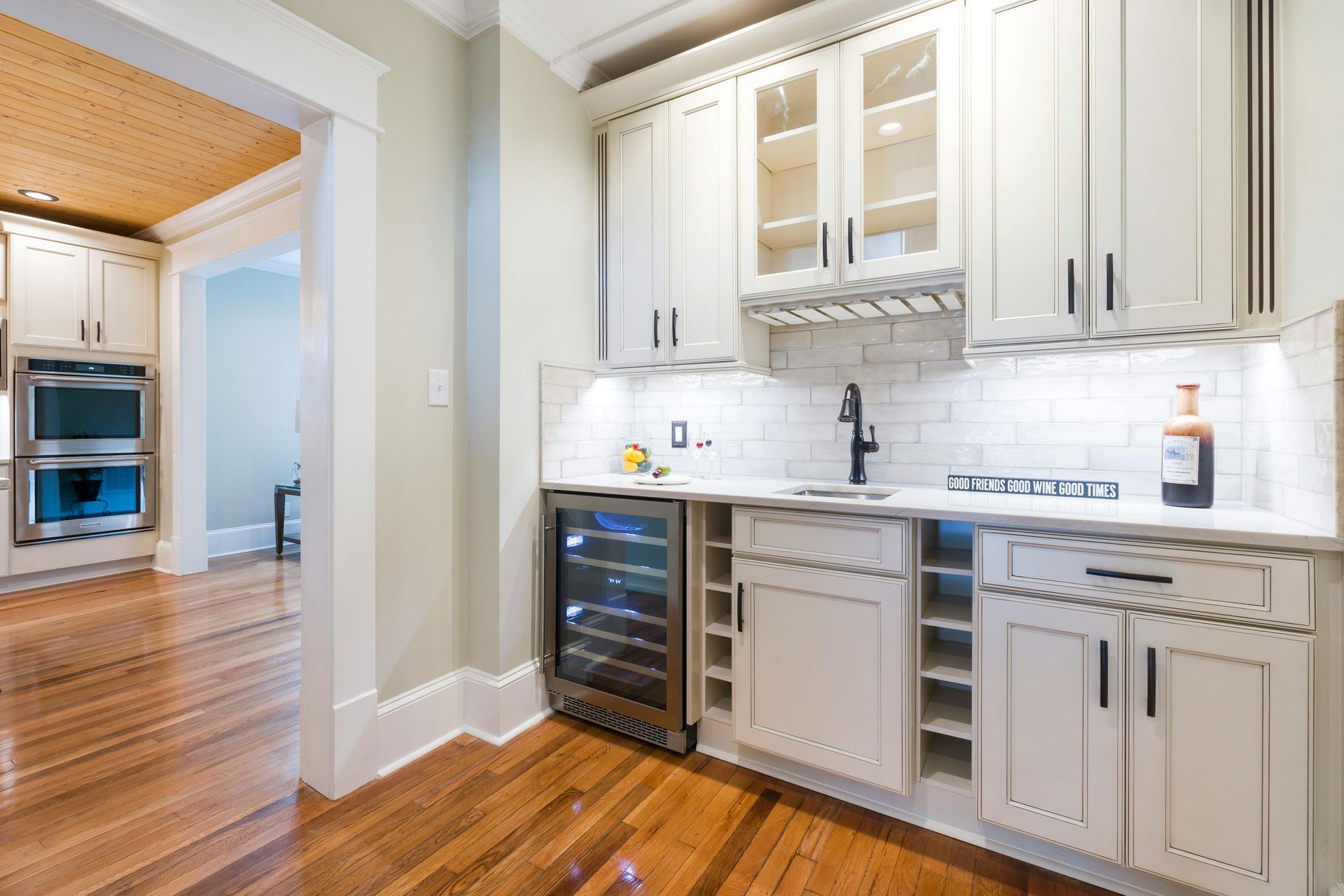
A wet bar with white cabinetry, a glass-front wine fridge, and a subway tile backsplash in a bright, modern kitchen.
February 16, 2026
Wondering if you should paint the inside of your kitchen cabinets? Learn when it’s worth the extra effort, when it’s unnecessary, and how professionals help homeowners decide.
A close-up view of a multi-tiered paint color sample fan deck showing various shades of blue, gray, neutrals, and red.
January 24, 2026
Gray had a good run. See what’s replacing it in 2026 with Willamette Valley paint trends like warm neutrals, forest greens, and icy blues.
A modern kitchen with a dark wood island, two black stools, white cabinets, and three large black pendant lights.
January 17, 2026
Is cabinet painting worth it? See the true Salem cost breakdown, ROI insights, and when replacing cabinets makes more sense.
A bathtub in front of a window covered in plastic sheeting, with blue paint being applied to a bathroom wall.
December 31, 2025
Repainting your bathroom before selling can boost buyer confidence and home appeal. See why it’s a smart, affordable move before listing.
A bright, modern kitchen featuring white cabinets, a large quartz island with dark stools, and an adjacent dining area.
December 17, 2025
Kitchen cabinet painting offers a high-impact upgrade without the replacement price. Learn why hiring a pro makes all the difference.
Outdoor deck with seating area, fire pit, and glass railing, surrounded by trees.
November 28, 2025
Yes, you can build a deck in the winter in Oregon. Learn why hiring a contractor during the off-season can save time, reduce delays, and get your deck ready for spring.
More Posts