How Long Do Professionally Painted Kitchen Cabinets Last in Willamette Valley Homes?
Last Updated: August 27, 2026
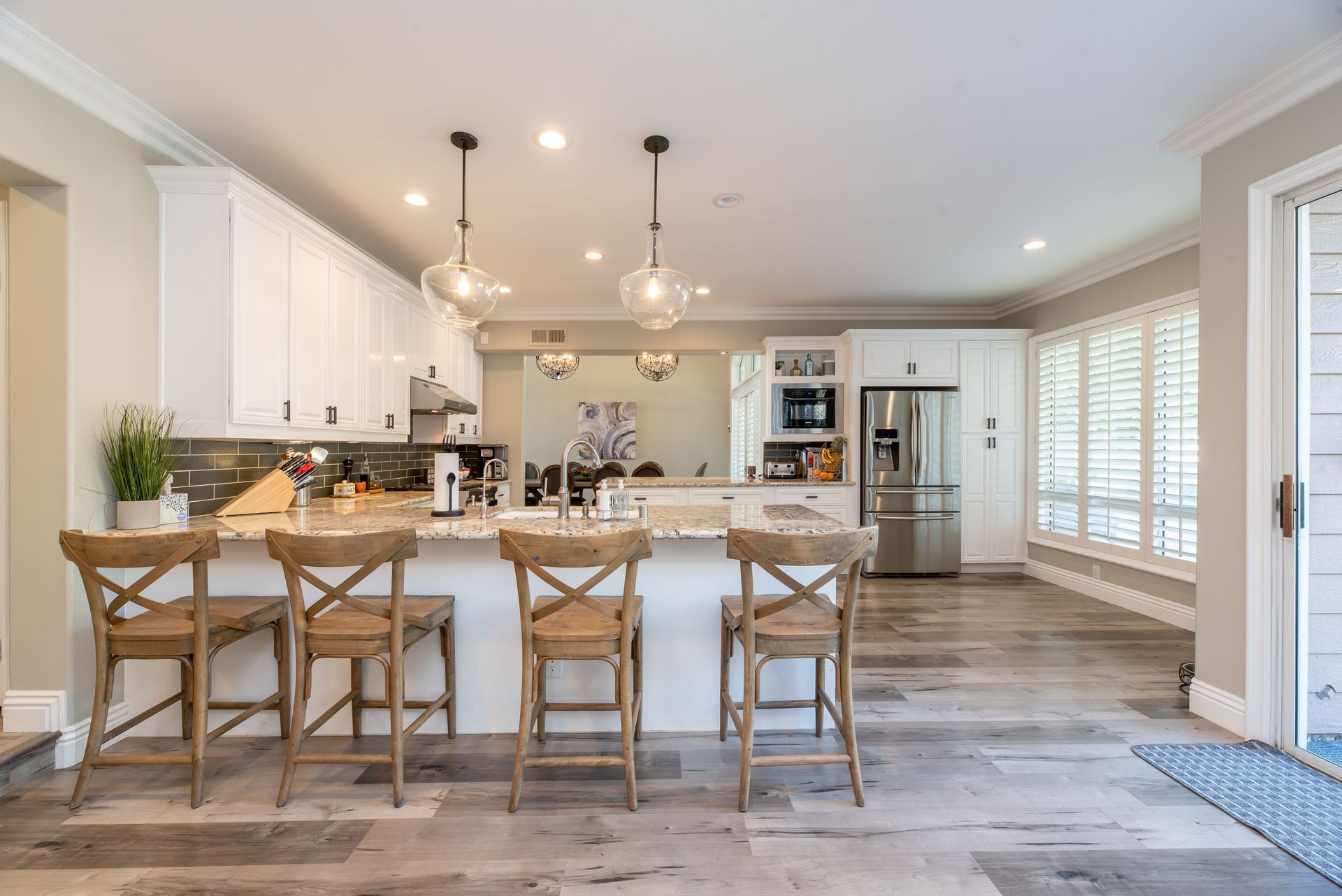
Painting your kitchen cabinets can completely change the look of your kitchen without completely changing your kitchen. But if you're going to invest in having it done professionally, there's an obvious question: How long is that beautiful new finish actually going to last?
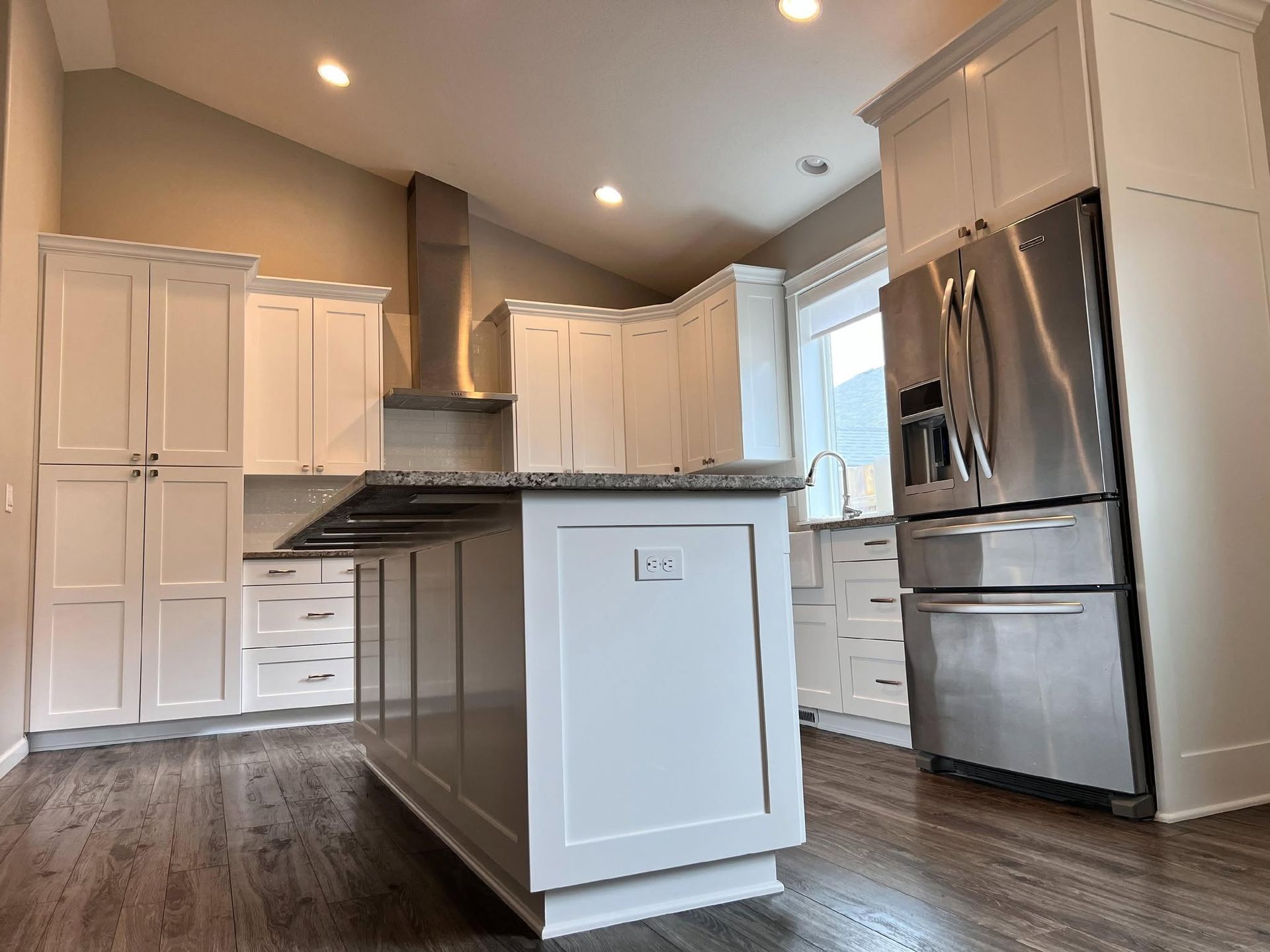
Painted kitchen cabinets often last around 8-10 years or longer when the cabinets are properly prepared, painted with the right products, and cared for correctly.
But of course, that's not an expiration date stamped on the inside of your door. Some finishes last longer, while others begin showing wear sooner. The difference usually comes down to how the cabinets were painted, what condition they were in to begin with, and how much abuse your kitchen dishes out on a daily basis.
Why Cabinet Painting Durability Depends on the Process
Painting cabinets is very different from painting a bedroom wall. Your walls generally have a pretty easy life. But cabinet doors? They get grabbed, bumped, splattered with spaghetti sauce, exposed to cooking grease, wiped down, and opened 10 times a minute during snack searches. That's why a durable cabinet finish depends heavily on the process behind it.
Proper surface preparation, bonding primers, cabinet-grade coatings, professional application, and adequate curing time all help create a finish designed to withstand everyday kitchen use. A shortcut in any of those areas can shorten the lifespan of the finished product.
What Affects How Long Painted Cabinets Last?
There's no single lifespan that applies to every kitchen. In fact, several factors can determine whether your cabinets still look great years down the road or begin showing their age sooner.
Cabinet Condition Before Painting:
The best candidates for cabinet painting are cabinets that are still structurally sound. Loose or damaged doors, deteriorating surfaces, moisture damage, heavy grease buildup, or an old finish that's already failing may need attention before painting begins. A new coating can make an older cabinet look dramatically better, but it can't magically repair what's happening underneath it.
Evaluating the existing cabinets is an important first step.
Prep Work Before Paint:
If there's one place where shortcuts tend to come back and haunt a cabinet painting project, it's prep. Cabinets generally need thorough cleaning and appropriate sanding or deglossing before they're primed and painted. Small surface defects may also need to be repaired. The goal is to create a clean, stable surface that allows the new coating system to bond properly. Skip important prep, and even an expensive paint won't necessarily save the project. Peeling, chipping, and poor adhesion often have less to do with the color or brand of paint than with what happened before the paint ever went on.
Product Quality and Application:
Kitchen cabinets shouldn't simply be coated with whatever is left over from painting the walls. Cabinet-grade primers and coatings are formulated to create harder, more durable finishes capable of handling frequent contact and cleaning.
Professional application also helps produce a smooth, consistent finish without unnecessary weak spots.
Daily Use and Cleaning Habits:
Not to get too personal, but lifestyle matters too. A lightly used kitchen in a two-person household may put considerably less wear on its cabinets than a kitchen full of children, pets, frequent cooking, and constant activity. High-contact areas around handles, trash pullouts, sinks, and cooking surfaces often show wear first. And let's not forget about cleaning habits (or the lack thereof). Gentle cleaning protects the coating, while abrasive scrubbers and harsh chemicals can gradually wear it down…even with good intentions.
How Willamette Valley Homes Can Affect Cabinet Finishes
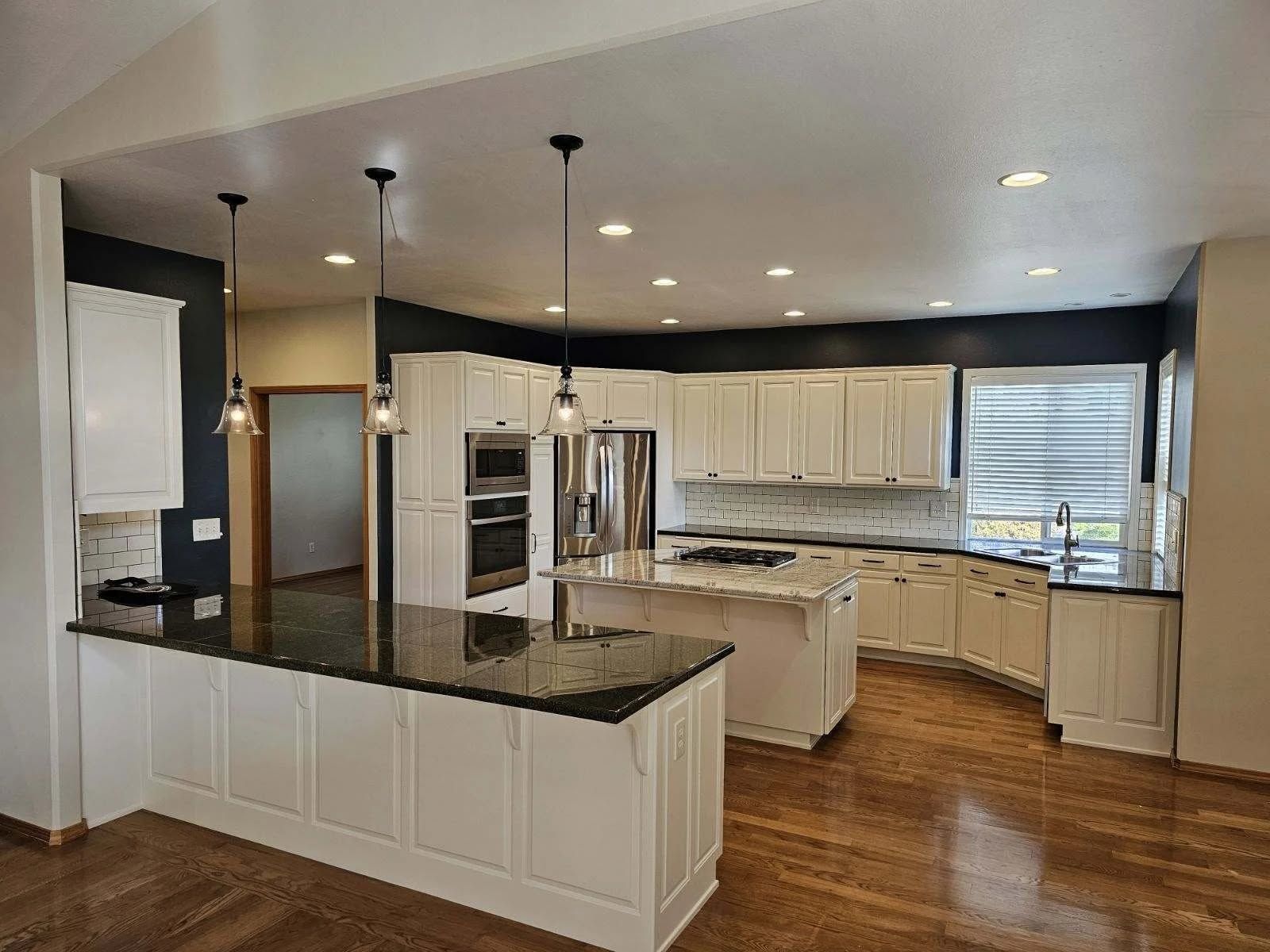
Here in the Willamette Valley, moisture is simply part of life. That doesn't mean our rainy winters are secretly plotting against your kitchen cabinets, but indoor humidity and ventilation can affect painted surfaces over time. Kitchens naturally generate moisture through cooking, dishwashing, and everyday use. Areas around sinks and dishwashers can be especially vulnerable if water is regularly left sitting on cabinet surfaces. Poor ventilation can add to the problem. A properly prepared and applied cabinet coating should handle normal household conditions well. Still, controlling excess moisture and wiping up water promptly can help protect the finish.
Signs Your Painted Cabinets May Need Attention
Normal wear doesn't necessarily mean your entire kitchen needs to be repainted. After years of use, it's reasonable for high-contact areas to show a little more age than the rest of the cabinets. Things worth watching for include:
- Chipping or wear around knobs and pulls
- Worn edges on frequently used doors and drawers
- Peeling or lifting paint
- Stains that no longer clean away easily
- Sticky doors or drawers
- Areas where the finish has become noticeably dull or damaged
A small worn spot may only need attention or a touch-up. Widespread peeling or adhesion problems, however, can indicate an issue with the coating or the surface underneath it.
How to Make Professionally Painted Cabinets Last Longer
Once your cabinets are painted, a little common sense goes a long way. Give the coating the recommended amount of time to fully cure before subjecting it to heavy cleaning or aggressive use. After that, use gentle cleaners and soft cloths rather than abrasive scrubbers. Wipe away cooking splatters and spills promptly, especially around the sink and stove. It's also worth remembering that "durable" doesn't mean "indestructible." Even a professionally applied finish may eventually need small touch-ups around handles, edges, or other high-contact areas.
Treat painted cabinets more like furniture than walls, and they'll generally reward you for it.
Cabinet Painting vs. Replacement for Long-Term Value
If you like your kitchen layout and your existing cabinet boxes are in good condition, painting can be a smart alternative to replacing everything. Instead of removing functional cabinetry simply because the color or finish feels dated, professional cabinet painting can give the kitchen a dramatically different appearance while avoiding much of the cost and disruption of a full remodel.
Replacement makes more sense when cabinets are badly damaged, poorly constructed, or the existing layout no longer works for your household.
Why Professional Cabinet Painting Is Worth It
The biggest difference between a quick cosmetic cabinet paint job and one designed to last is often everything you don't see once the project is finished. An experienced cabinet painter can evaluate the existing surfaces, identify areas that need repair or additional preparation, select primers and coatings appropriate for the cabinets, and apply the finish consistently. That's especially important if your goal isn't simply to make the kitchen look better for the next year or two. A properly completed cabinet painting project should provide a durable, furniture-like finish intended for years of everyday use.
Refresh Your Kitchen with Cabinets Built to Last: Fitzpatrick Painting & Construction
Professionally painted cabinets aren't just a color change. When the cabinets are good candidates for painting and the project is completed correctly, the new finish can become a long-lasting kitchen improvement. For Willamette Valley homeowners considering cabinet painting,
Fitzpatrick Painting & Construction can evaluate your existing cabinets, talk through your options, and help determine whether painting makes sense for your kitchen.
Ready to see what a new cabinet finish could do for your space?
Request a cabinet painting estimate or consultation with Fitzpatrick Painting & Construction.