
Is Hiring a Professional Kitchen Cabinet Painter Worth It?

Last Updated: December 17, 2025

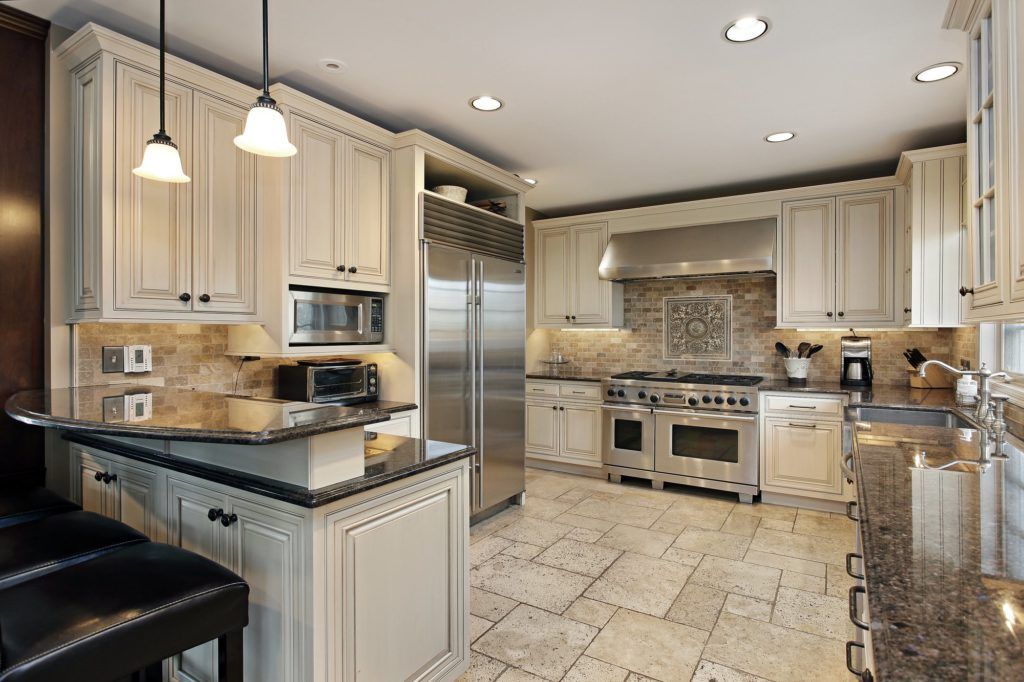
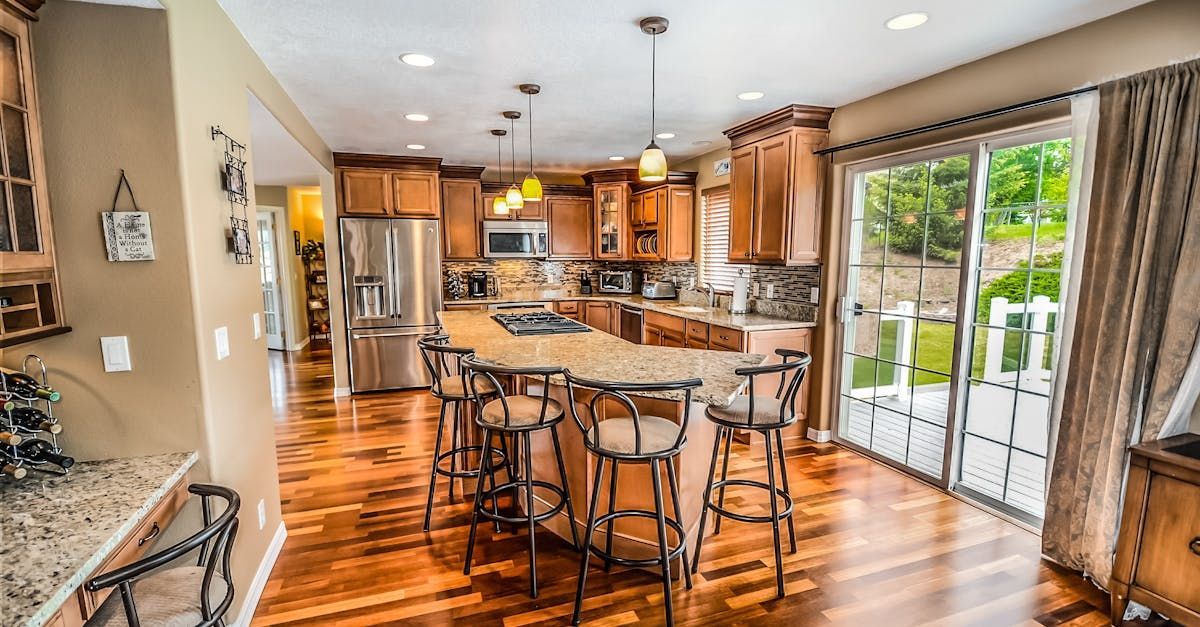
Thinking about giving your kitchen a fresh look without the price tag of full cabinet replacement? You’re not alone. Kitchen cabinets are one of the most visible, and most used, elements in your home, and painting them can completely transform the space.


After all, when you’re protecting one of your home’s most valuable rooms, you want results that look great and stand the test of daily life, not something that starts peeling the second spaghetti night gets messy.


Why Cabinet Painting Is Different

Painting cabinets isn’t like painting a wall or a baseboard. There’s a reason cabinets are usually left to the pros.


First, cabinets require a higher level of preparation and precision than most interior surfaces. Doors and drawers need to be removed, sanded, cleaned of grease, and primed with products designed specifically for hard‑use surfaces. If you skip or skimp on any of these steps, you’ll see it later in uneven color, chipping, or sticky doors.


Second, kitchen cabinets face more challenges than walls: daily use, grease from cooking, frequent cleaning, and constant exposure to humidity. Standard wall paint just doesn’t hold up under these conditions. Specialized products and application methods, the kind professionals use, make all the difference.
Wooden porch with stairs, black handrail, and brick facade.

Professional Cabinet Painting vs DIY Results

When you’re comparing professional cabinet painting to a DIY effort, it’s not about how to paint, it’s about how it turns out. Homeowners don’t remember how something was painted. They remember what it looks like weeks, months, and years later.


Finish Quality and Consistency

Professionals deliver factory‑smooth finishes with even color, minimal brush marks, and flawless application techniques. Whether it’s spraying, rolling, or brushing, a trained painter knows how to avoid streaks, drips, and imperfections that often plague DIY projects.


Most DIY attempts end up looking “okay” from far away, but up close, the uneven sheen, visible brush marks, or rough edges make it obvious something was done by an amateur. A pro makes your cabinets look like they were made that way, not like they were painted between soccer practice and laundry.


Durability and Longevity

Your kitchen gets used. A lot.


Professional painters use cabinet‑grade primers and paints designed for heavy wear. They understand proper adhesion, cure times, and protective topcoats, all of which help prevent chipping, peeling, and premature failure.


DIY jobs might look fine for a few weeks, but when the paint starts to wear off around handles and edges, the cost of rework or eventual replacement adds up fast, and the kitchen just becomes another thing on your to-do list.


Time, Disruption, and Stress

Let’s be honest: painting kitchen cabinets by yourself can take forever. Removing doors and drawers, sanding every surface, applying multiple coats, waiting for dry times, and trying to repaint around your family’s schedule can turn a weekend project into a weeks‑long disruption.


Pros follow a structured timeline and cleanup process that minimizes disruption to your kitchen life. They know how to work efficiently, protect your floors and counters, and manage cleanup so you’re back to cooking without the chaos or stepping over cabinet doors leaning against the wall for a month.


The Real Cost Comparison: Painting vs Replacing Cabinets

When homeowners first look at giving their kitchen a facelift, the “replace everything” option can be tempting. But professionally painted cabinets usually deliver a dramatic visual upgrade for a fraction of the cost.


New cabinets mean full demolition, new materials, reinstallation, possible electrical or plumbing adjustments, and more noise and mess. Painting keeps your existing cabinet boxes and layout intact, which saves time, materials, and money, while still giving you that fresh, updated look.
Multi-level wooden deck with a built-in curved bench around a stone fire pit, outdoor seating area.

When to Hire a Professional Cabinet Painter

There are times when professional cabinet painting offers the greatest value:


  • Solid wood cabinets that just need a refreshed look
  • Outdated finishes or colors that no longer match your style
  • A home that’s being prepared to sell and needs a renewed, polished interior
  • Kitchens with high traffic and frequent use
  • Homeowners who want a perfect finish without DIY frustration

If your cabinets are structurally sound but visually dated, that’s the exact situation where a professional painter shines. You get the aesthetic upgrade without wasting money on unnecessary replacement.


Common Cabinet Painting Mistakes That Reduce Results

Even with the best intentions, DIY cabinet painting can stumble into pitfalls that sag quality and shorten lifespan.


First, skipping proper prep, like degreasing or sanding, can make paint peel or fail early. Second, using regular wall paint instead of cabinet‑grade coatings means your finish won’t hold up to kitchen conditions. Finally, rushing cure times or not allowing layers to dry thoroughly invites smudges, stickiness, or early wear.


These mistakes often lead homeowners to repaint again or replace cabinets sooner than necessary, the opposite of the long‑lasting solution you want. And nobody wants to repaint the same cabinets twice in one year.


Upgrade Your Kitchen with Professional Cabinet Painting

If you’re ready to update your kitchen without the headache and cost of a full cabinet replacement, professional cabinet painting is worth considering, and Fitzpatrick Painting & Construction is here to help make it a smooth and satisfying process.


With years of experience transforming kitchens throughout the community, we bring attention to detail, durable high‑end finishes, and a commitment to customer satisfaction to every project. From careful prep to flawless application and cleanup, our team delivers results that look stunning and hold up to daily use.


Ready to give your cabinets a fresh look that lasts? Request a cabinet painting estimate or consultation with Fitzpatrick Painting & Construction and take the first step toward a kitchen you’ll love every day!

September 4, 2026
See what it takes to paint a large apartment building in Eugene, Oregon. Go behind the scenes of Fitzpatrick Painting & Construction's Franklin Apartments exterior painting project.
August 27, 2026
Wondering how long painted kitchen cabinets really last? Learn what affects their lifespan and how to keep your Willamette Valley kitchen looking great.
August 25, 2026
Repainting a home in an HOA? Learn what to check before you start, including approved colors, architectural review requirements, timelines, and contractor documentation.
August 13, 2026
Should you paint before or after installing new flooring? Learn the best project order for walls, ceilings, floors, baseboards, trim, and final touch-ups.
July 30, 2026
How long does a paint job last? Learn typical interior and exterior paint lifespans in the Willamette Valley and what factors help your paint last longer.
July 14, 2026
Looking for an interior painter in Salem? Use this checklist to compare contractors, ask the right warranty questions, spot red flags, and hire with confidence.
June 30, 2026
Planning interior painting for a Portland condo or townhome? Learn color, lighting, ventilation, HOA, and scheduling tips before starting your project.
June 30, 2026
Learn why some Salem homes need more exterior paint prep due to older siding, peeling paint, moisture damage, mildew, and Oregon weather.
June 30, 2026
Learn how Eugene’s rainy season affects exterior painting, including prep, drying time, scheduling, and how professionals plan around wet weather.
June 30, 2026
Older wood siding can give a Corvallis home a lot of character, but it also needs the right care before repainting. If your siding looks faded, peeling, cracked, or weathered, paint may help restore its appearance and protection. However, older wood siding should be checked for moisture damage, failing paint, soft wood, and proper prep needs before any new coating is applied. Painting over problems does not make them go away. In many cases, the most important part of the project happens before the first coat of paint goes on. A careful inspection, thorough prep work, and the right exterior painting process can make a major difference in how long the finished result lasts. Why Older Wood Siding Needs Extra Attention Before Painting Older wood siding does not behave the same way as newer siding materials. Wood can absorb moisture, expand, contract, crack, and show signs of age in ways that are not always obvious from a distance. A home may look like it only needs fresh paint, but once the surface is cleaned and inspected, there may be soft boards, open seams, or areas where old paint is no longer bonded well. This is especially important for older homes in Corvallis and the surrounding Willamette Valley. Many houses in the area have been through years of rain, shade, damp winters, and seasonal temperature changes. Over time, those conditions can wear down paint and expose the siding underneath. Before repainting, homeowners need to know whether the siding is still sound enough to hold paint properly. How Corvallis Weather Affects Wood Siding Corvallis weather can be tough on exterior wood. Wet winters, damp spring conditions, tree cover, and moss-prone areas can all speed up paint failure. Even when a home looks fine during the drier months, moisture may have already worked its way into weak spots around trim, lower siding, windows, or shaded walls. The shaded sides of a home often show wear sooner than areas with better sunlight and airflow. North-facing walls, areas under trees, and spots near landscaping may stay damp longer after rain. That extra moisture can lead to peeling paint, mildew growth, swollen wood, and surface damage. Because of this, painting older wood siding in Corvallis is not just about choosing a new color. It is about making sure the siding is dry, stable, and properly prepared for long-term protection. Signs Your Wood Siding Needs More Than a Quick Repaint A quick repaint may improve the look of a home for a short time, but it will not solve deeper siding problems. If the paint has failed because of moisture, rot, poor prep, or damaged wood, the same issues can come back after the new paint is applied. Before repainting older wood siding, homeowners should look for signs that repairs or extra prep may be needed first. Peeling Paint That Keeps Coming Back If the same areas keep peeling year after year, there is usually a reason. Repeated peeling can point to trapped moisture, poor previous prep work, or an older coating that is no longer bonded well to the siding. Simply painting over those areas may cover the problem temporarily, but the new paint may fail again if the surface underneath is not properly scraped, sanded, primed, and prepared. Peeling paint is especially common around areas that hold moisture, such as lower walls, window trim, and shaded sides of the house. These spots should be checked carefully before repainting. Soft Wood Near Trim or Lower Siding Soft wood is a warning sign that should not be ignored. Areas near the bottom of walls, windows, doors, and trim are often more vulnerable because water can collect, splash back, or enter through gaps. If the wood feels soft, swollen, crumbly, or weakened, paint will not fix it. Damaged wood should be repaired or replaced before painting. Painting over soft or rotted wood can trap moisture and make the problem worse. It can also shorten the life of the new paint job because the coating needs a solid surface to bond to. Cracks, Gaps, and Open Seams Cracks, gaps, and open seams allow moisture to get behind the siding or into trim joints. Over time, that moisture can lead to swelling, rot, peeling paint, and more repairs. These openings may be small, but they can have a big impact on how well the siding holds up after painting. Before paint is applied, failing caulking should be removed where needed, gaps should be sealed properly, and damaged areas should be addressed. This helps create a tighter exterior surface and gives the new paint a better chance to last. Why Prep Work Matters More on Older Siding Prep work is one of the biggest factors in how long an exterior paint job lasts, especially on older wood siding. If the surface is dirty, loose, glossy, damp, or damaged, new paint will not perform the way it should. Older siding often needs more detailed preparation because it may have layers of old paint, uneven surfaces, exposed wood, or problem areas that are easy to miss. A proper prep process may include washing the siding, removing loose paint, sanding rough edges, spot priming bare wood, sealing gaps, repairing damaged boards, and making sure the surface is ready for finish coats. These steps take time, but they are what help the paint bond correctly and protect the siding longer. Skipping prep may save time upfront, but it often leads to peeling, cracking, and repainting sooner than expected. Should Older Wood Siding Be Painted or Repaired First? Paint is designed to protect sound siding, not repair damaged siding. If the wood is still in good condition, a professional exterior painting project can help restore the home’s appearance and protect it from future weather exposure. But if there is rot, water damage, loose boards, or failing trim, those problems need to be addressed before painting. A professional inspection can help homeowners understand what the siding actually needs. Some homes only need minor repairs, targeted scraping, priming, and repainting. Others may need board replacement, trim repair, or more detailed prep before paint can be applied. Knowing this ahead of time helps avoid wasting money on a paint job that will not hold up.  For Corvallis homeowners, this is especially important because moisture-related siding issues can be easy to overlook until the surface is closely inspected. Getting the condition of the siding right first helps protect both the finished look and the home itself.
June 29, 2026
Choosing a kitchen remodel contractor? Learn what to look for, which questions to ask, and how to find the right professional for your Willamette Valley kitchen renovation.
June 15, 2026
Wondering if it's time for a bathroom remodel? Discover 6 common signs, from moisture problems and outdated fixtures to poor layouts and lack of storage, and learn when a remodel is the right investment.
More Posts