
How to Choose the Right Interior Painter in Salem: Checklist and Warranty Questions
Last Updated: July 14, 2026
A fresh coat of paint can completely change how your home feels… but only if the experience of getting there is just as positive as the finished result. Most Salem homeowners aren't simply looking for the lowest price. They want painters who show up when they say they will, protect their floors and furniture, communicate throughout the project, and leave behind crisp, long-lasting results instead of a mess to clean up.
The right interior painter is licensed and insured, provides a detailed written scope and prep plan, answers warranty questions clearly, and earns trust through references, recent local projects, and professional communication. How do you find them? Let’s talk about it.
The Shortlist: What to Look For in a Salem Interior Painter
Choosing an interior painter doesn't have to be an overwhelming endeavor. Focusing on a few non-negotiables makes it much easier to compare contractors and hire with confidence. Here's a simple checklist to bring with you when reviewing estimates:
- Active Oregon CCB license and proof of insurance
- Detailed written estimate with a clear scope of work
- Defined preparation standards before painting begins
- Paint products specified by brand, product line, primer, and expected number of coats
- Recent interior project photos and local references
- Dust containment and floor protection plan
- Daily cleanup expectations
- A designated point of contact throughout the project
- EPA Lead-Safe Certification if your home was built before 1978
Most of these items are easy for homeowners to verify. You can check licensing, request insurance documentation, and call references. Surface repairs, proper preparation, and professional paint application, however, are best left to trained painters with the right equipment and experience.
If you're researching interior painting in Salem, asking these questions early can save you time, money, and frustration later.
Warranty Questions That Protect Your Project
A warranty only helps if you understand what it actually covers. And interior painting warranties can vary significantly between contractors, so it's worth asking a few questions before signing a contract.
Start by asking exactly what is covered. Does the warranty include problems like peeling, blistering, or adhesion failure? What does the contractor consider normal wear and tear? You'll also want to know how long the warranty lasts and whether it covers both labor and materials or only certain aspects of the work. It's equally important to ask what could void the warranty. Moisture issues, harsh cleaning products, or homeowner touch-ups may affect coverage. You should also ask how warranty claims are submitted, how quickly the contractor typically responds, whether they offer any maintenance or touch-up program, and whether the contractor's workmanship warranty is separate from the paint manufacturer's warranty. If you may sell your home in the future, it's worth asking whether the warranty transfers to the next homeowner. Compare warranty terms alongside the estimate and scope of work. Not after you've already signed the contract.
How to Compare Interior Painting Estimates Apples-to-Apples
Two estimates with similar prices can include very different levels of service. Also, the lowest bid isn't always the best value.
The fairest comparison comes from making sure each proposal includes the same scope of work. Compare the rooms being painted, any drywall repairs or caulking that are included, the sanding and priming plan, the paint brand and product line, the sheen being used, and the expected number of coats. You should also confirm how furniture will be handled, what protection will be provided for floors and belongings, what the daily cleanup process looks like, any exclusions listed in the estimate, and the proposed payment schedule. Unusually low estimates often reduce preparation, use lower-quality products, or eliminate finish coats to lower the price. A contractor who clearly explains their process and documents every step often delivers much better long-term value than one who simply offers the lowest number.
If you'd like to know what quality workmanship should look like after the project is complete, check out 7 Signs of a Bad Interior Paint Job.

Prep and Process: How Pros Deliver a Long-Lasting Finish
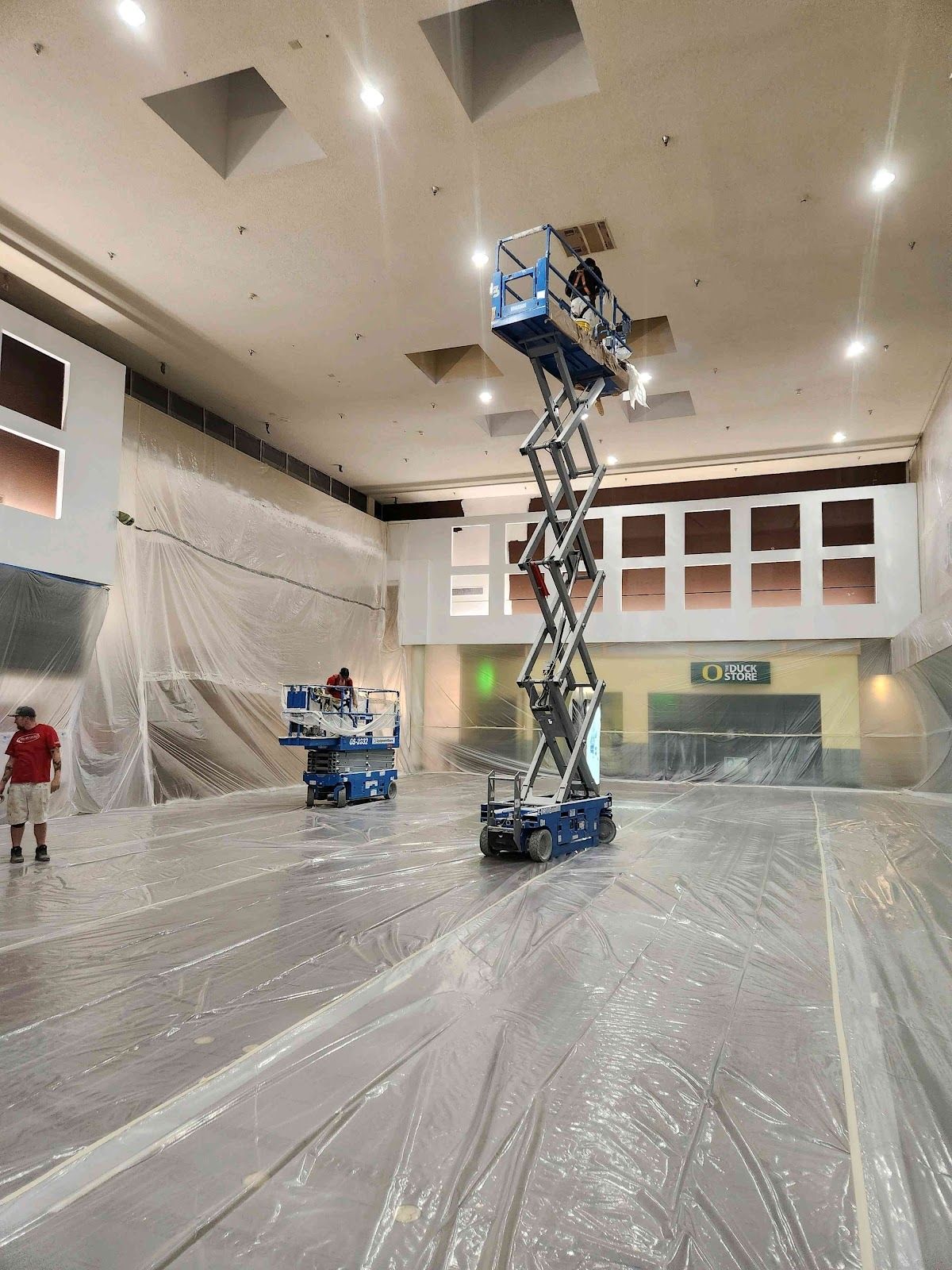
Professional interior painters follow a process that's designed to produce a finish that not only looks great but lasts. That typically includes protecting floors and belongings, repairing damaged areas, sanding rough surfaces, spot-priming or fully priming where needed, applying consistent finish coats, and wrapping up with a thorough cleanup and final walkthrough. Many contractors also offer low-odor, low-VOC paint options, which can make the project more comfortable for occupied homes and provide greater flexibility when planning around children, pets, or busy schedules. And please remember, homeowners should feel comfortable asking about each step of the process and the expected timeline, but the actual sanding, patching, priming, and paint application are best left to trained, insured professionals.
Red Flags to Avoid
Most painting projects go smoothly when expectations are clear from the beginning. Unfortunately, there are a few warning signs that deserve extra attention.
Incomplete Estimates: Be cautious of contractors who only provide verbal estimates, can't provide proof of licensing or insurance, or refuse to specify the products they'll use or how many coats they'll apply. Large upfront cash requests, outdated references, high-pressure sales tactics, and inconsistent communication can also indicate problems before the project even begins.
No On-Site Evaluation: Another common issue is pricing a project without first walking through the home. Every house has different repair needs, ceiling heights, trim details, and surface conditions. Skipping an in-home visit often leads to change orders, misunderstandings, and frustration once work gets underway.
No Written Warranty: Finally, if a contractor is unwilling to explain their warranty or provide it in writing, consider that a deal-breaker. A reputable painter should be comfortable standing behind their work.
Timing, Access, and Working in Lived-In Spaces
A little planning makes an interior painting project much easier for everyone involved. Before work begins, confirm the expected start and finish dates, daily working hours, crew size, and whether individual rooms will remain usable while work is underway. Having these expectations established upfront helps minimize surprises and allows you to plan around the project. It's also helpful to clarify who will move furniture and how fragile items should be handled. Professional painters typically cover and protect furniture, flooring, and belongings, but those responsibilities should always be spelled out in the written estimate so everyone understands what's included.
If your home has children, pets, or busy common areas like kitchens and bathrooms, ask how the crew plans to manage dust containment and maintain safe access throughout the project. A little communication beforehand can make living through the project much more comfortable.
Interior Painting in Salem with Fitzpatrick Painting & Construction
Choosing the right interior painter comes down to trust. You want a team that communicates clearly, respects your home, and stands behind its work long after the project is finished. That's exactly what you'll find with Fitzpatrick Painting & Construction. Our full-time, insured crews take pride in delivering a smooth experience from the initial estimate through the final walkthrough, and every interior project is backed by our free lifetime touch-ups program for added peace of mind.
Frequently Asked Questions
Q: How far in advance should I book an interior painter in Salem?
A: It depends on the season, but booking several weeks in advance is generally recommended. Scheduling early gives you more flexibility and increases the chances of securing your preferred timeline.
Q: Do painters move furniture and protect floors, or should I handle that?
A: Most professional painters move larger furniture as needed and protect floors, furniture, and other belongings before work begins. Always confirm exactly what's included in your written estimate.
Q: What paint finishes work best for kitchens, bathrooms, and trim?
A: Satin or eggshell are popular choices for most walls because they're durable and easy to clean, while semi-gloss is commonly used for trim. Kitchens and bathrooms also benefit from moisture-resistant paints that hold up well to frequent cleaning.
Q: How long does a typical room take to paint, and when can I rehang art or curtains?
A: Many standard rooms can be completed in a day, depending on the amount of preparation required and drying conditions. Most painters recommend waiting at least 24 to 48 hours before rehanging artwork, curtains, or other wall décor.
Q: Is it better to paint before listing my home or after moving out?
A: Fresh interior paint is one of the most cost-effective ways to improve your home's appearance before listing. While painting an empty home is often easier, many homeowners choose to refresh their interiors before putting their house on the market.