
How to Choose a Contractor for Your Willamette Valley Kitchen Remodel

Last Updated: June 29, 2026

Deciding to remodel your kitchen is exciting. Deciding who should actually do the work? That's usually the part that keeps homeowners awake at night. After all, your kitchen is one of the busiest rooms in your home, and trusting someone to temporarily turn it into a construction zone is no small decision. The right contractor should have proven remodeling experience, communicate clearly, provide detailed estimates, and follow a process that aligns with your budget, timeline, and goals. In this blog, we’re talking about how to choose someone like that. 


Why the Right Kitchen Remodel Contractor Matters


A kitchen remodel touches almost every part of your daily routine. It affects how you cook, how you entertain, where you store everything, and sometimes even where you make your morning coffee while the work is underway. Behind the finished countertops and fresh paint are plumbing, electrical work, cabinetry, flooring, trim, and dozens of small details that all need to come together correctly.


Choosing the wrong contractor can result in delays, unexpected costs, frustrating communication, and work that doesn't meet your expectations. The right contractor helps keep the project organized from the initial planning stages through the final walkthrough, making the experience far less stressful and the results much more rewarding.


Look for Relevant Kitchen Remodeling Experience


Not every contractor who can repair a wall or replace a window is equipped to handle a kitchen remodel. Kitchens require careful coordination between multiple trades, thoughtful layout planning, precise cabinet installation, finish carpentry, painting, flooring, and countless finishing details. They also require experience working in occupied homes where families are still trying to live their lives while construction is happening.


A Portfolio That Matches Your Goals:


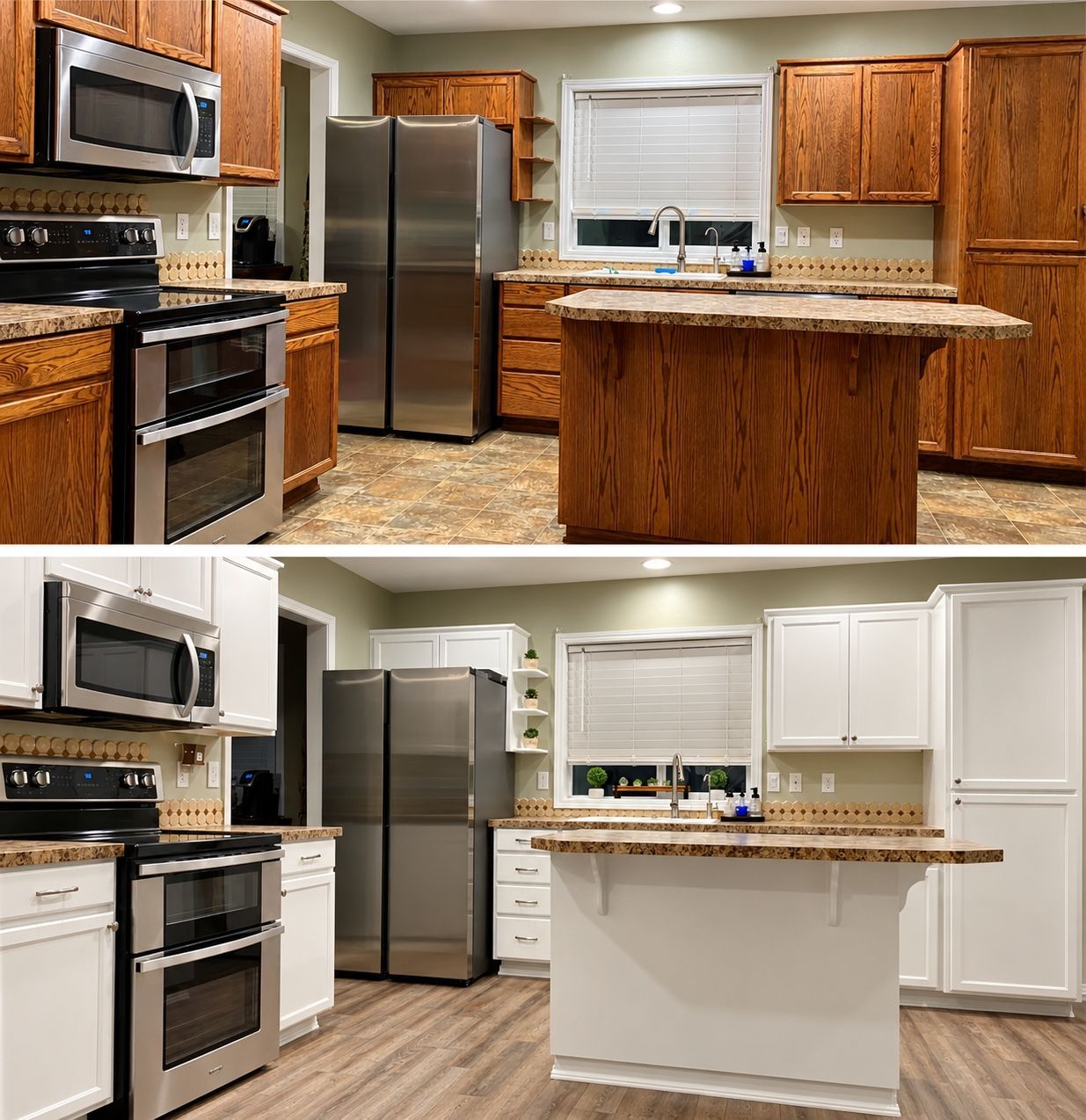
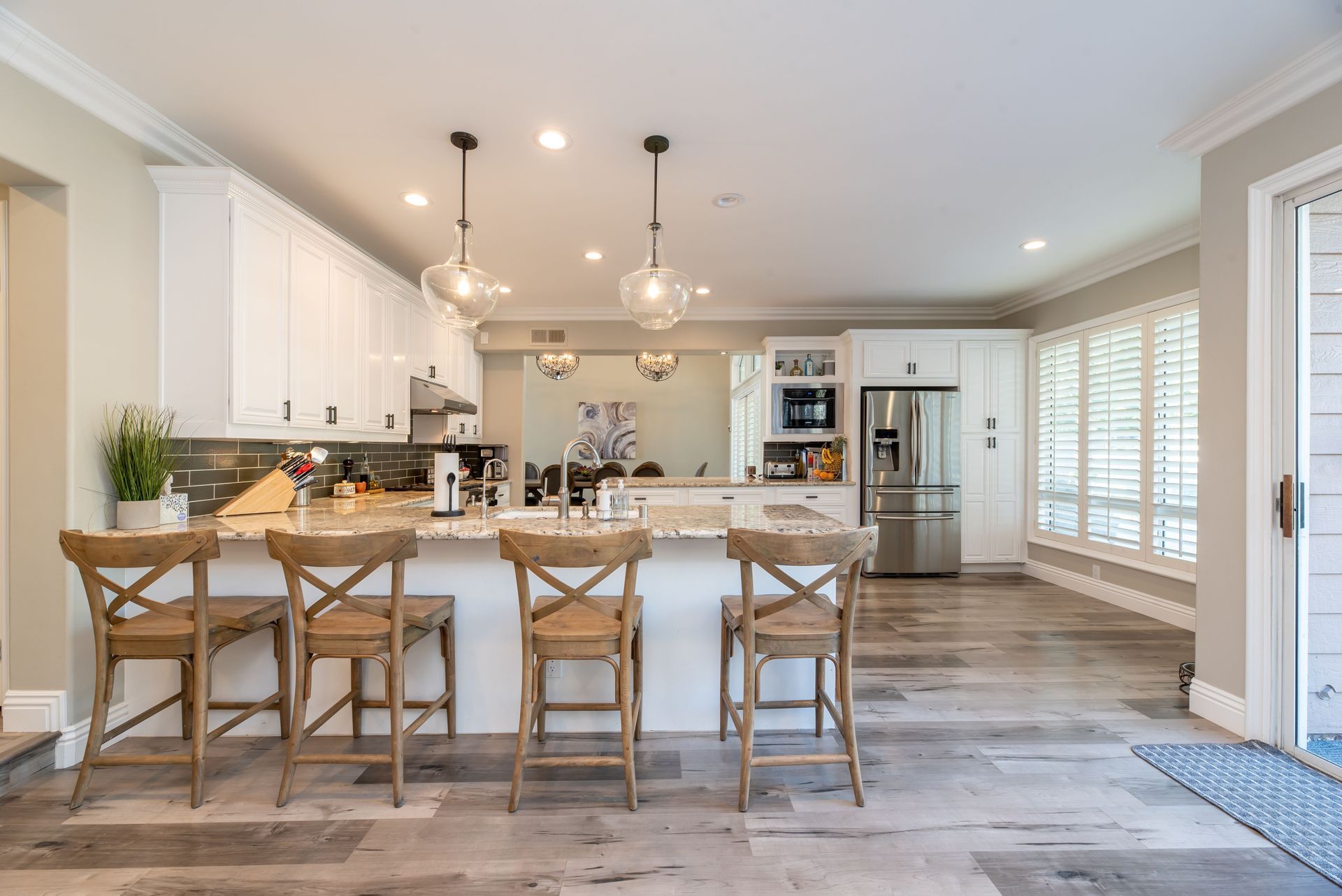
One of the best ways to evaluate a contractor is by looking at completed projects. Their portfolio should include kitchens similar to the remodel you're considering, whether that's a full renovation, cabinet refinishing, or a practical refresh. Previous work can quickly show whether their craftsmanship and attention to detail match the vision you have for your home.


A Process That Feels Organized:


A quality contractor should also clearly explain how your project will move from start to finish. You should understand the timeline, how communication will happen, when materials will be selected, and how disruption will be managed. If the process feels confusing before work begins, it probably won't get easier once construction starts.


Experience with Finish Details:


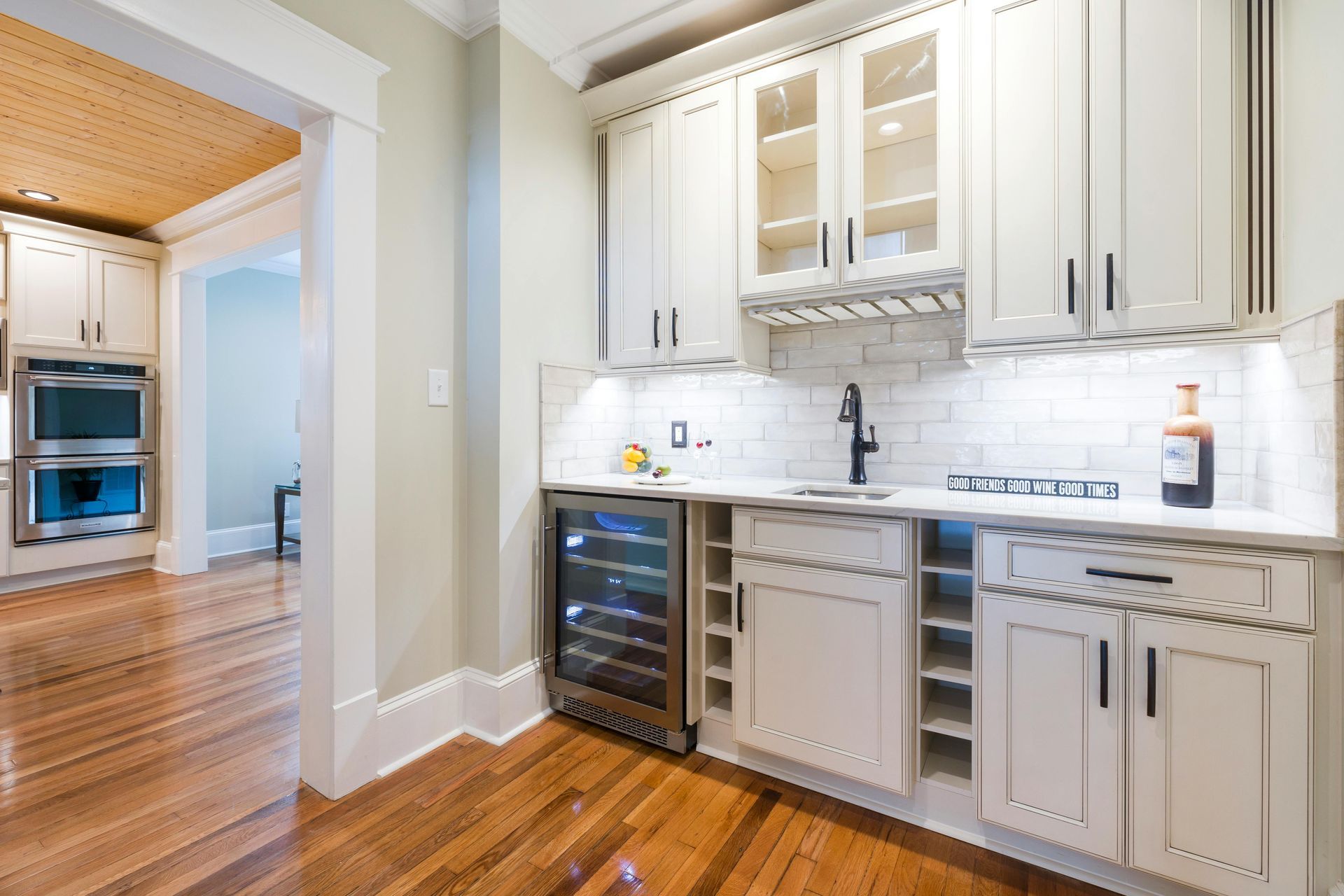
The finishing touches often separate a good kitchen remodel from a great one. Clean paint lines, properly installed trim, aligned cabinet doors, quality hardware, and careful touch-ups all contribute to a polished result. These are the details you'll notice every day, so it's worth choosing a contractor who takes pride in getting them right.


Compare Estimates Beyond the Price


When reviewing remodeling estimates, it's tempting to skip straight to the bottom line. While price certainly matters, it's only one piece of the equation. A thorough estimate should clearly explain the scope of work, the materials being used, preparation requirements, labor, estimated timeline, exclusions, and how changes will be handled if unexpected issues arise. Understanding exactly what you're paying for makes it much easier to compare proposals fairly and avoid unpleasant surprises later.

Ask the Right Questions Before Hiring


The interview process isn't just for contractors evaluating your project. It's also your opportunity to learn how they operate and whether they're the right fit for your home. Asking thoughtful questions can help separate organized professionals from companies that rely on vague promises. Questions like: 


How Will the Project Timeline Be Managed?

Kitchen remodels naturally create disruption, so it's important to understand the schedule. Ask how long the project is expected to take, what could affect the timeline, and how updates will be communicated. Good communication won't make your kitchen magically reappear overnight, but it does make the process easier to manage.


Who Will Be Working in the Home?

Homeowners should know who will be completing the work, whether that's employees, subcontractors, or a mix of both. It's also worth asking who will supervise the project and who you'll contact with questions. Clear answers help establish expectations before work begins.


How Are Changes Handled During the Project?

Even well-planned remodels can uncover hidden plumbing issues, outdated wiring, or other surprises. A professional contractor should have a clear process for change orders, added costs, and approvals before moving forward. That transparency helps prevent misunderstandings.


Watch for Red Flags During the Hiring Process


Be cautious if estimates are vague, communication is inconsistent, or you're pressured to make an immediate decision. Contractors should also be willing to discuss insurance coverage, provide local references, and explain their remodeling process without hesitation. If getting answers feels difficult before the project starts, it probably won't become easier once construction is underway.


Why Local Knowledge Matters in the Willamette Valley


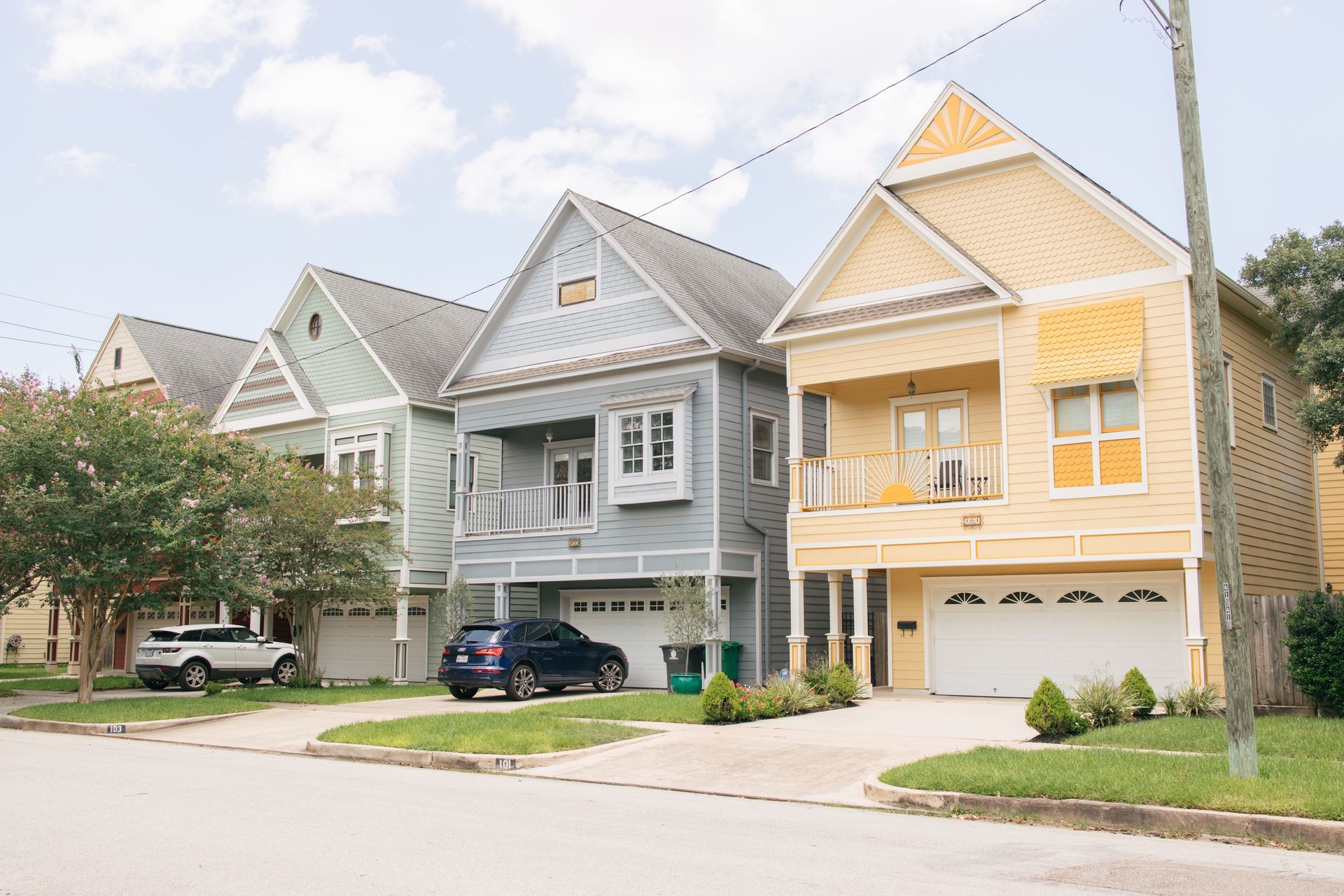
Homes throughout the Willamette Valley each have their own character, but many also share similar remodeling challenges. Older homes often come with unique layouts, previous renovations, or hidden surprises waiting behind the walls. Oregon's damp climate also makes proper moisture management and material selection especially important in kitchens. A local contractor understands these regional considerations and can recommend products, finishes, and scheduling strategies that make sense for the area. That local experience often helps projects move more smoothly while creating results designed to perform well for years to come.


Start Your Kitchen Remodel with the Right Team


At Fitzpatrick Painting & Construction, we've helped homeowners throughout the Willamette Valley transform kitchens through thoughtful remodeling, quality craftsmanship, cabinetry updates, painting, finish work, and attention to the details that make a project feel complete. If you're ready to start planning your kitchen remodel, we'd be happy to answer your questions and help you explore the possibilities.


Contact Fitzpatrick Painting & Construction today to schedule your kitchen remodel consultation or request a free estimate! 
September 28, 2026
Should you paint your whole house at once or tackle it room by room? Compare cost, convenience, timing, and disruption to find the best approach.
September 14, 2026
Wondering if your kitchen cabinets can be painted or if it’s time to replace them? Learn what makes cabinets worth painting—and when they’re not.
September 4, 2026
See what it takes to paint a large apartment building in Eugene, Oregon. Go behind the scenes of Fitzpatrick Painting & Construction's Franklin Apartments exterior painting project.
August 27, 2026
Wondering how long painted kitchen cabinets really last? Learn what affects their lifespan and how to keep your Willamette Valley kitchen looking great.
August 25, 2026
Repainting a home in an HOA? Learn what to check before you start, including approved colors, architectural review requirements, timelines, and contractor documentation.
August 13, 2026
Should you paint before or after installing new flooring? Learn the best project order for walls, ceilings, floors, baseboards, trim, and final touch-ups.
July 30, 2026
How long does a paint job last? Learn typical interior and exterior paint lifespans in the Willamette Valley and what factors help your paint last longer.
July 14, 2026
Looking for an interior painter in Salem? Use this checklist to compare contractors, ask the right warranty questions, spot red flags, and hire with confidence.
June 30, 2026
Planning interior painting for a Portland condo or townhome? Learn color, lighting, ventilation, HOA, and scheduling tips before starting your project.
June 30, 2026
Learn why some Salem homes need more exterior paint prep due to older siding, peeling paint, moisture damage, mildew, and Oregon weather.
June 30, 2026
Learn how Eugene’s rainy season affects exterior painting, including prep, drying time, scheduling, and how professionals plan around wet weather.
June 30, 2026
Older wood siding can give a Corvallis home a lot of character, but it also needs the right care before repainting. If your siding looks faded, peeling, cracked, or weathered, paint may help restore its appearance and protection. However, older wood siding should be checked for moisture damage, failing paint, soft wood, and proper prep needs before any new coating is applied. Painting over problems does not make them go away. In many cases, the most important part of the project happens before the first coat of paint goes on. A careful inspection, thorough prep work, and the right exterior painting process can make a major difference in how long the finished result lasts. Why Older Wood Siding Needs Extra Attention Before Painting Older wood siding does not behave the same way as newer siding materials. Wood can absorb moisture, expand, contract, crack, and show signs of age in ways that are not always obvious from a distance. A home may look like it only needs fresh paint, but once the surface is cleaned and inspected, there may be soft boards, open seams, or areas where old paint is no longer bonded well. This is especially important for older homes in Corvallis and the surrounding Willamette Valley. Many houses in the area have been through years of rain, shade, damp winters, and seasonal temperature changes. Over time, those conditions can wear down paint and expose the siding underneath. Before repainting, homeowners need to know whether the siding is still sound enough to hold paint properly. How Corvallis Weather Affects Wood Siding Corvallis weather can be tough on exterior wood. Wet winters, damp spring conditions, tree cover, and moss-prone areas can all speed up paint failure. Even when a home looks fine during the drier months, moisture may have already worked its way into weak spots around trim, lower siding, windows, or shaded walls. The shaded sides of a home often show wear sooner than areas with better sunlight and airflow. North-facing walls, areas under trees, and spots near landscaping may stay damp longer after rain. That extra moisture can lead to peeling paint, mildew growth, swollen wood, and surface damage. Because of this, painting older wood siding in Corvallis is not just about choosing a new color. It is about making sure the siding is dry, stable, and properly prepared for long-term protection. Signs Your Wood Siding Needs More Than a Quick Repaint A quick repaint may improve the look of a home for a short time, but it will not solve deeper siding problems. If the paint has failed because of moisture, rot, poor prep, or damaged wood, the same issues can come back after the new paint is applied. Before repainting older wood siding, homeowners should look for signs that repairs or extra prep may be needed first. Peeling Paint That Keeps Coming Back If the same areas keep peeling year after year, there is usually a reason. Repeated peeling can point to trapped moisture, poor previous prep work, or an older coating that is no longer bonded well to the siding. Simply painting over those areas may cover the problem temporarily, but the new paint may fail again if the surface underneath is not properly scraped, sanded, primed, and prepared. Peeling paint is especially common around areas that hold moisture, such as lower walls, window trim, and shaded sides of the house. These spots should be checked carefully before repainting. Soft Wood Near Trim or Lower Siding Soft wood is a warning sign that should not be ignored. Areas near the bottom of walls, windows, doors, and trim are often more vulnerable because water can collect, splash back, or enter through gaps. If the wood feels soft, swollen, crumbly, or weakened, paint will not fix it. Damaged wood should be repaired or replaced before painting. Painting over soft or rotted wood can trap moisture and make the problem worse. It can also shorten the life of the new paint job because the coating needs a solid surface to bond to. Cracks, Gaps, and Open Seams Cracks, gaps, and open seams allow moisture to get behind the siding or into trim joints. Over time, that moisture can lead to swelling, rot, peeling paint, and more repairs. These openings may be small, but they can have a big impact on how well the siding holds up after painting. Before paint is applied, failing caulking should be removed where needed, gaps should be sealed properly, and damaged areas should be addressed. This helps create a tighter exterior surface and gives the new paint a better chance to last. Why Prep Work Matters More on Older Siding Prep work is one of the biggest factors in how long an exterior paint job lasts, especially on older wood siding. If the surface is dirty, loose, glossy, damp, or damaged, new paint will not perform the way it should. Older siding often needs more detailed preparation because it may have layers of old paint, uneven surfaces, exposed wood, or problem areas that are easy to miss. A proper prep process may include washing the siding, removing loose paint, sanding rough edges, spot priming bare wood, sealing gaps, repairing damaged boards, and making sure the surface is ready for finish coats. These steps take time, but they are what help the paint bond correctly and protect the siding longer. Skipping prep may save time upfront, but it often leads to peeling, cracking, and repainting sooner than expected. Should Older Wood Siding Be Painted or Repaired First? Paint is designed to protect sound siding, not repair damaged siding. If the wood is still in good condition, a professional exterior painting project can help restore the home’s appearance and protect it from future weather exposure. But if there is rot, water damage, loose boards, or failing trim, those problems need to be addressed before painting. A professional inspection can help homeowners understand what the siding actually needs. Some homes only need minor repairs, targeted scraping, priming, and repainting. Others may need board replacement, trim repair, or more detailed prep before paint can be applied. Knowing this ahead of time helps avoid wasting money on a paint job that will not hold up.  For Corvallis homeowners, this is especially important because moisture-related siding issues can be easy to overlook until the surface is closely inspected. Getting the condition of the siding right first helps protect both the finished look and the home itself.
More Posts