6 Signs It's Time for a Bathroom Remodel

Last Updated: June 15, 2026

Nobody is saying your bathroom needs to be on the front cover of some kind of “villa life” magazine. But let's be honest, nobody is crazy about holding their breath or wiping up puddles behind the toilet either. Bathrooms tend to age quietly. Unlike a leaking roof or a broken furnace, they slowly become less functional, less comfortable, and a little more frustrating every year. 


The good news is that you don't need a catastrophic plumbing failure to justify a remodel. In many cases, moisture problems, an inefficient layout, or even outdated fixtures can all be legitimate reasons for taking the plunge. But more on this below. 


Why Bathroom Problems Should Not Be Ignored


Bathrooms work harder than almost any other room in the house. They deal with daily showers, constant humidity, running water, heavy foot traffic, and frequent cleaning. That combination means even small issues can gradually become larger ones if they're ignored.

A bathroom remodel is about more than making the room look nicer. It can improve functionality, address moisture concerns before they become costly repairs, and make everyday routines easier. Considering how often most people use their bathroom, making the space more comfortable is an investment you'll probably appreciate every single day.


1. The Layout Doesn't Work Anymore


Sometimes the biggest problem isn't what the bathroom looks like. It's how it functions. Maybe two people can't comfortably use the space at the same time. Maybe the vanity leaves almost no counter space. Or maybe you’ve just got 90s architecture that has been a liability for long enough. Older bathrooms often weren't designed for the way families live today.

If you constantly find yourself wishing the room simply worked better, that's often a sign that cosmetic updates alone won't solve the problem. A remodel allows the layout to be reimagined so the room is easier, safer, and more enjoyable to use.


2. Moisture Problems Keep Coming Back


Bathrooms naturally produce moisture, but they shouldn't constantly feel damp. If mildew keeps returning no matter how much you clean, paint begins peeling, drywall feels soft, water stains appear on ceilings or walls, or there's a persistent musty smell, there may be ventilation or hidden moisture issues that need attention. Simply repainting over these symptoms rarely solves the underlying problem.


A remodel provides the opportunity to improve ventilation, repair damaged materials, and correct issues before they lead to more extensive repairs elsewhere in the home.


3. The Fixtures Look Outdated


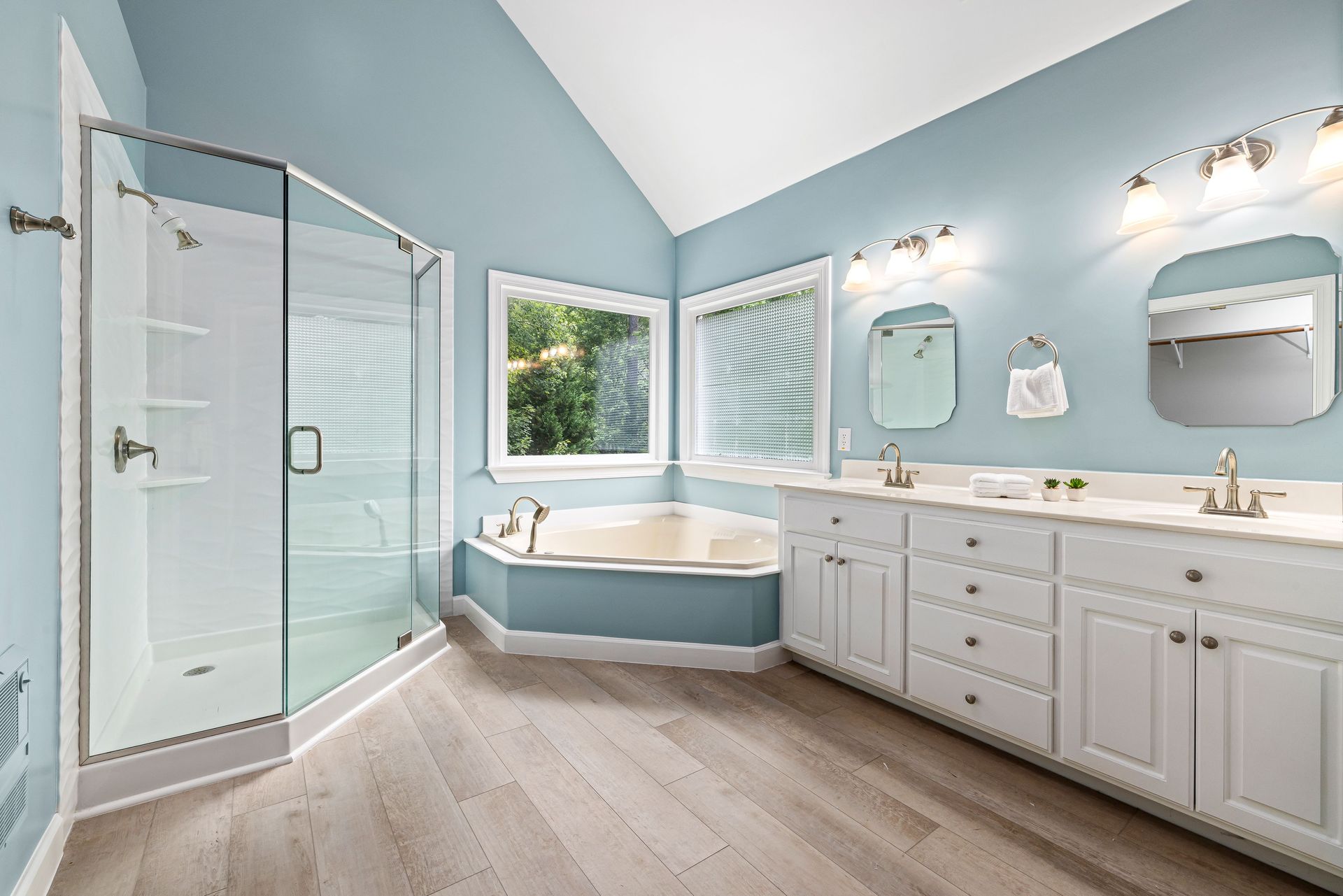
Like we said, not every bathroom needs to look like a luxury spa, but if yours still reminds visitors of the decade it was built, it may be ready for a refresh. Older vanities, dated lighting, worn faucets, oversized mirrors, aging tubs, and tile patterns that were once trendy can make the entire room feel older than it really is. Even if everything technically works, outdated finishes can affect both your enjoyment of the space and your home's overall appeal.


Updating these elements can completely change the feel of the bathroom while giving it a cleaner, brighter, and more timeless appearance.


4. Storage Is Always a Problem


Bathrooms somehow collect an impressive amount of stuff. Towels, toiletries, cleaning supplies, extra toilet paper, hair dryers, first aid items, and somehow twelve bottles of shampoo that are all "almost empty." If your counters are constantly cluttered because there's nowhere else to put anything, the room can quickly start feeling cramped and disorganized. Limited cabinet space, shallow drawers, or a lack of shelving often make cleaning more difficult too.


A remodel can introduce smarter storage solutions that help keep everything organized without making the room feel crowded.


5. Surfaces Are Worn Beyond Touch-Ups


There's a point where cleaning products, fresh caulk, and another coat of paint simply can't hide years of wear. Cracked tile, stained grout that refuses to brighten, damaged countertops, loose flooring, deteriorating caulk, or chipped tubs often signal that the bathroom has reached the end of its useful cosmetic life. While small repairs may help temporarily, multiple worn surfaces usually indicate it's time for a more comprehensive update. Replacing these materials not only improves appearance but can also help protect the bathroom from future moisture intrusion.


6. The Bathroom No Longer Fits Your Needs


Families change, and so do the ways they use their homes. A bathroom that worked perfectly ten years ago may not work as well today. Growing families often need additional counter space and storage, while homeowners planning to age in place may benefit from features like walk-in showers, wider walkways, or improved accessibility. Others simply want to transform a purely functional room into a comfortable primary bathroom or create a more welcoming space for guests.

A bathroom remodel allows the space to evolve along with your household, making everyday routines easier while ensuring it continues to meet your needs for years to come.
Remodel vs Refresh: How to Know the Difference


If the layout works well, there are no moisture issues, and the major surfaces remain in good condition, smaller improvements like fresh paint, updated lighting, new hardware, or replacing a faucet can make a surprisingly big difference.


But if the room has recurring moisture problems, awkward layouts, worn flooring, damaged tile, or multiple aging fixtures all showing their age at once, a full remodel often provides the better long-term solution. Instead of repeatedly fixing individual problems, you have the opportunity to address everything together while creating a bathroom that works better as a whole.


Why It's Worth Hiring a Professional


Bathrooms may seem small, but they're some of the most complex rooms in a home to remodel. Plumbing, ventilation, moisture management, flooring, electrical work, cabinetry, tile, and finish materials all need to come together in one place. An experienced remodeling contractor can help identify hidden issues before construction begins, recommend materials that perform well in a high-moisture environment, and coordinate each stage of the project so costly mistakes are avoided. Professional planning often saves homeowners both time and frustration while delivering results that last.


Create a Bathroom That Works Better for Your Willamette Valley Home


If your bathroom no longer feels comfortable, functional, or practical, remodeling may be one of the most rewarding improvements you can make to your home. Whether you're updating an aging bathroom, improving storage, solving moisture concerns, or creating a layout that better fits your family's needs, thoughtful planning can make all the difference.


At Fitzpatrick Painting & Construction, we've helped homeowners throughout the Willamette Valley transform outdated bathrooms into cleaner, more functional spaces that are built to handle everyday life. If you're ready to explore what's possible, we'd be happy to answer your questions and help you develop a remodeling plan that fits your home and your goals.


Contact Fitzpatrick Painting & Construction today to schedule your bathroom remodel consultation or request a free estimate! 
September 28, 2026
Should you paint your whole house at once or tackle it room by room? Compare cost, convenience, timing, and disruption to find the best approach.
September 14, 2026
Wondering if your kitchen cabinets can be painted or if it’s time to replace them? Learn what makes cabinets worth painting—and when they’re not.
September 4, 2026
See what it takes to paint a large apartment building in Eugene, Oregon. Go behind the scenes of Fitzpatrick Painting & Construction's Franklin Apartments exterior painting project.
August 27, 2026
Wondering how long painted kitchen cabinets really last? Learn what affects their lifespan and how to keep your Willamette Valley kitchen looking great.
August 25, 2026
Repainting a home in an HOA? Learn what to check before you start, including approved colors, architectural review requirements, timelines, and contractor documentation.
August 13, 2026
Should you paint before or after installing new flooring? Learn the best project order for walls, ceilings, floors, baseboards, trim, and final touch-ups.
July 30, 2026
How long does a paint job last? Learn typical interior and exterior paint lifespans in the Willamette Valley and what factors help your paint last longer.
July 14, 2026
Looking for an interior painter in Salem? Use this checklist to compare contractors, ask the right warranty questions, spot red flags, and hire with confidence.
June 30, 2026
Planning interior painting for a Portland condo or townhome? Learn color, lighting, ventilation, HOA, and scheduling tips before starting your project.
June 30, 2026
Learn why some Salem homes need more exterior paint prep due to older siding, peeling paint, moisture damage, mildew, and Oregon weather.
June 30, 2026
Learn how Eugene’s rainy season affects exterior painting, including prep, drying time, scheduling, and how professionals plan around wet weather.
June 30, 2026
Older wood siding can give a Corvallis home a lot of character, but it also needs the right care before repainting. If your siding looks faded, peeling, cracked, or weathered, paint may help restore its appearance and protection. However, older wood siding should be checked for moisture damage, failing paint, soft wood, and proper prep needs before any new coating is applied. Painting over problems does not make them go away. In many cases, the most important part of the project happens before the first coat of paint goes on. A careful inspection, thorough prep work, and the right exterior painting process can make a major difference in how long the finished result lasts. Why Older Wood Siding Needs Extra Attention Before Painting Older wood siding does not behave the same way as newer siding materials. Wood can absorb moisture, expand, contract, crack, and show signs of age in ways that are not always obvious from a distance. A home may look like it only needs fresh paint, but once the surface is cleaned and inspected, there may be soft boards, open seams, or areas where old paint is no longer bonded well. This is especially important for older homes in Corvallis and the surrounding Willamette Valley. Many houses in the area have been through years of rain, shade, damp winters, and seasonal temperature changes. Over time, those conditions can wear down paint and expose the siding underneath. Before repainting, homeowners need to know whether the siding is still sound enough to hold paint properly. How Corvallis Weather Affects Wood Siding Corvallis weather can be tough on exterior wood. Wet winters, damp spring conditions, tree cover, and moss-prone areas can all speed up paint failure. Even when a home looks fine during the drier months, moisture may have already worked its way into weak spots around trim, lower siding, windows, or shaded walls. The shaded sides of a home often show wear sooner than areas with better sunlight and airflow. North-facing walls, areas under trees, and spots near landscaping may stay damp longer after rain. That extra moisture can lead to peeling paint, mildew growth, swollen wood, and surface damage. Because of this, painting older wood siding in Corvallis is not just about choosing a new color. It is about making sure the siding is dry, stable, and properly prepared for long-term protection. Signs Your Wood Siding Needs More Than a Quick Repaint A quick repaint may improve the look of a home for a short time, but it will not solve deeper siding problems. If the paint has failed because of moisture, rot, poor prep, or damaged wood, the same issues can come back after the new paint is applied. Before repainting older wood siding, homeowners should look for signs that repairs or extra prep may be needed first. Peeling Paint That Keeps Coming Back If the same areas keep peeling year after year, there is usually a reason. Repeated peeling can point to trapped moisture, poor previous prep work, or an older coating that is no longer bonded well to the siding. Simply painting over those areas may cover the problem temporarily, but the new paint may fail again if the surface underneath is not properly scraped, sanded, primed, and prepared. Peeling paint is especially common around areas that hold moisture, such as lower walls, window trim, and shaded sides of the house. These spots should be checked carefully before repainting. Soft Wood Near Trim or Lower Siding Soft wood is a warning sign that should not be ignored. Areas near the bottom of walls, windows, doors, and trim are often more vulnerable because water can collect, splash back, or enter through gaps. If the wood feels soft, swollen, crumbly, or weakened, paint will not fix it. Damaged wood should be repaired or replaced before painting. Painting over soft or rotted wood can trap moisture and make the problem worse. It can also shorten the life of the new paint job because the coating needs a solid surface to bond to. Cracks, Gaps, and Open Seams Cracks, gaps, and open seams allow moisture to get behind the siding or into trim joints. Over time, that moisture can lead to swelling, rot, peeling paint, and more repairs. These openings may be small, but they can have a big impact on how well the siding holds up after painting. Before paint is applied, failing caulking should be removed where needed, gaps should be sealed properly, and damaged areas should be addressed. This helps create a tighter exterior surface and gives the new paint a better chance to last. Why Prep Work Matters More on Older Siding Prep work is one of the biggest factors in how long an exterior paint job lasts, especially on older wood siding. If the surface is dirty, loose, glossy, damp, or damaged, new paint will not perform the way it should. Older siding often needs more detailed preparation because it may have layers of old paint, uneven surfaces, exposed wood, or problem areas that are easy to miss. A proper prep process may include washing the siding, removing loose paint, sanding rough edges, spot priming bare wood, sealing gaps, repairing damaged boards, and making sure the surface is ready for finish coats. These steps take time, but they are what help the paint bond correctly and protect the siding longer. Skipping prep may save time upfront, but it often leads to peeling, cracking, and repainting sooner than expected. Should Older Wood Siding Be Painted or Repaired First? Paint is designed to protect sound siding, not repair damaged siding. If the wood is still in good condition, a professional exterior painting project can help restore the home’s appearance and protect it from future weather exposure. But if there is rot, water damage, loose boards, or failing trim, those problems need to be addressed before painting. A professional inspection can help homeowners understand what the siding actually needs. Some homes only need minor repairs, targeted scraping, priming, and repainting. Others may need board replacement, trim repair, or more detailed prep before paint can be applied. Knowing this ahead of time helps avoid wasting money on a paint job that will not hold up.  For Corvallis homeowners, this is especially important because moisture-related siding issues can be easy to overlook until the surface is closely inspected. Getting the condition of the siding right first helps protect both the finished look and the home itself.
More Posts