
Before Repainting an HOA Home: What to Check First
Last Updated: August 25, 2026
Your exterior paint is fading, you've found the perfect new color, and you're ready to give the house a fresh look. Oh wait…you live in an HOA. Which means there's one more important step between "I love this color" and "Let's start painting."
Before repainting an HOA home, make sure to check your community's approved color rules, architectural review process, application requirements, and contractor documentation needs before scheduling the work or ordering paint. Trust us. It is important. Sure, it may require a little extra planning, but it's much easier to sort out the details beforehand than to discover halfway through the project that "Warm Stone" is approved but "Slightly Warmer Stone" apparently is not.
Why HOA Approval Matters Before Repainting
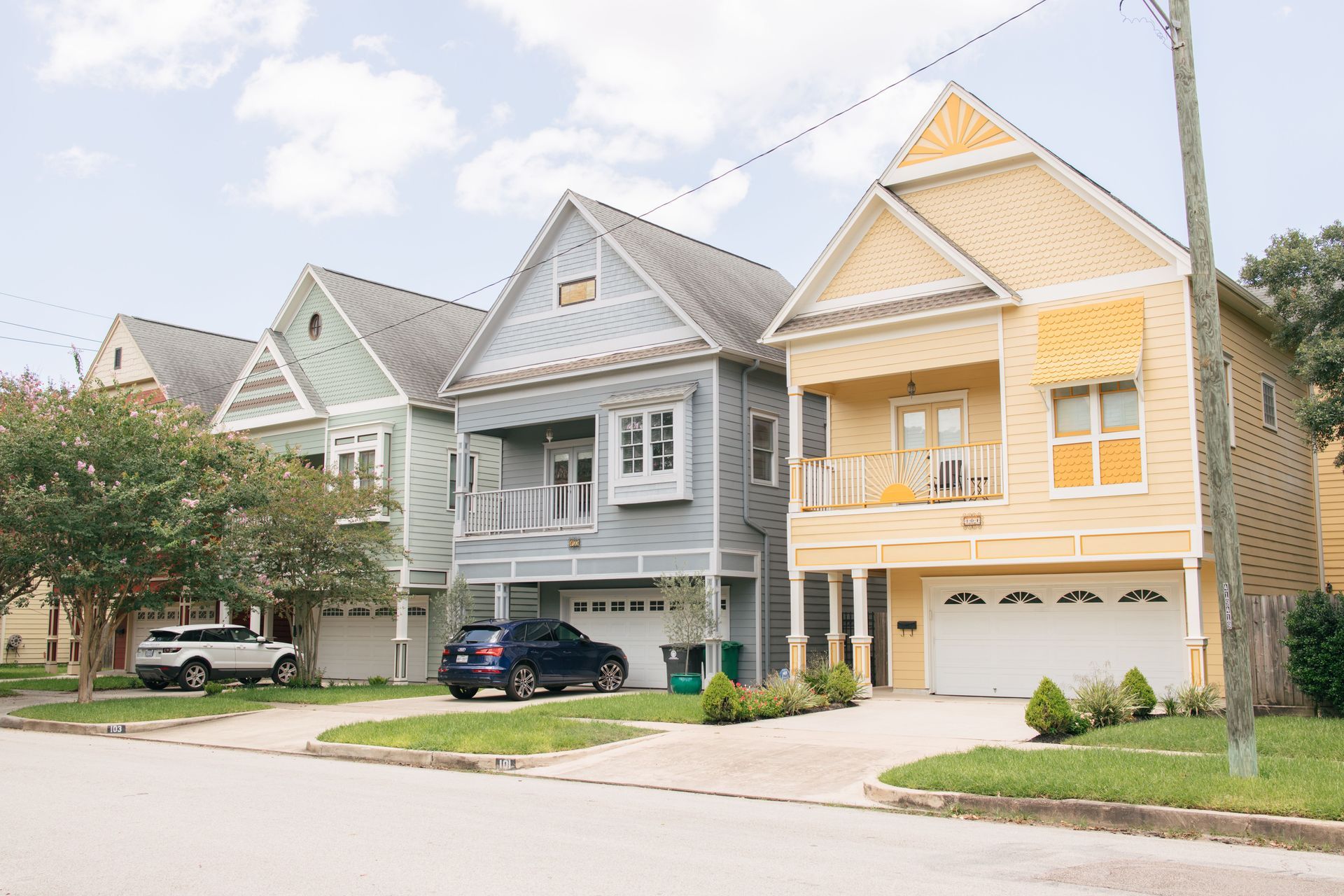
Many HOA communities have standards intended to maintain a consistent appearance throughout the neighborhood. Exterior painting is often part of those standards. Depending on your community, rules may apply to the main siding color as well as trim, fascia, shutters, garage doors, front doors, and other visible exterior surfaces. Some communities offer quite a bit of flexibility. Others have a very specific menu of approved options. Either way, finding out before painting begins can protect you from project delays, fines, or, worst of all, being told that your freshly painted house needs to be painted again.
Nobody wants to pay for the same paint job twice.
Check the Community Painting Rules First
Before falling in love with a color palette, start with your HOA documents. Look for architectural standards, design guidelines, covenants, or other community rules addressing exterior changes. Your HOA or property management company may also have current painting guidelines available online or upon request. The important thing is to work from the community's current requirements rather than assuming what you've seen elsewhere in the neighborhood is fair game.
Approved Color Palettes:
Some HOAs maintain a list of specific approved colors. Others may provide complete color schemes that specify which siding, trim, and accent colors can be used together. Pay attention to how the palette works. An approved siding color doesn't necessarily mean you're free to pair it with any trim or front door color you like. Before settling on a scheme, confirm whether the main body, trim, doors, shutters, and other accents all need to come from an approved list or combination.
Trim and Accent Color Limits:
The main house color tends to get all the attention, but the smaller details can be where HOA rules get surprisingly specific. Trim, fascia, shutters, garage doors, and front doors may have their own requirements. A bold front door might look fantastic with the siding you've chosen, but that doesn't necessarily mean the architectural committee shares your enthusiasm. Clarifying these details early helps you build the entire exterior color plan at once rather than making changes later.
Existing Colors May Still Need Approval:
Already like your current colors and simply want them refreshed? Don't assume that means you can skip the approval process. Some HOAs actually require homeowners to submit an application for exterior painting even when they're repainting with the same or very similar colors. Community standards may also have changed since the house was last painted. A quick confirmation beforehand is much easier than trying to determine after the fact whether your existing color was technically grandfathered in.
Understand the Architectural Review Process
In many HOA communities, exterior changes are reviewed by an architectural review committee, sometimes called an ARC or architectural control committee. The process varies from one community to another. It might be as simple as submitting a form and receiving approval a few days later. In other cases, applications may be reviewed at scheduled meetings or require additional information before a decision is made. Knowing what you're walking into makes scheduling the actual painting project much easier.
Application Requirements:
An HOA painting application may ask for more than "We're painting the house blue." You could need exact paint colors, manufacturer and product details, photos, samples, or a description of which surfaces will receive each color. Check the application early so gathering everything doesn't turn into a last-minute scavenger hunt.
Review Timelines:
HOA approval may take a few days or several weeks, depending on the community and how often its architectural committee meets. If you're hoping to paint during a particular stretch of good Willamette Valley weather, build that review time into your schedule. Oregon weather already gets enough say in your painting plans.
Painter Documentation:
Some HOAs may also request information about your painting contractor, such as proof of insurance, licensing information, project dates, or product details. A
reputable painting company should be able to provide the necessary documentation without sending you on a wild goose chase.
Why Approval Should Happen Before Paint Is Ordered
Finding the perfect exterior color is exciting. Finding out that the HOA rejected it after the paint has been purchased? Considerably less exciting. Whenever possible, get the necessary approval before materials are ordered and the project schedule is finalized. If the HOA requests a different trim color, rejects an accent choice, or needs additional information about the proposed products, those changes are much easier to address while everything still exists on paper.
It also reduces the risk of paying for materials you can't use or having to reschedule the painting crew while you wait for a revised application to make its way through the approval process. In other words, paperwork first. Paint cans second.
How a Professional Painter Can Help with HOA Repaints
Your painter generally isn't there to interpret your HOA's governing documents for you, but an experienced exterior painting company can make the practical side of the process considerably easier. Once you know your community's requirements, a professional painter can help document your selected colors, provide product information, identify the different exterior surfaces included in the project, and supply contractor documentation when requested.
They can also help you think through the entire exterior instead of focusing only on the siding. If the project includes trim, fascia, doors, shutters, or other accents, those details can be identified before the final plan is submitted.
Plan Your HOA Exterior Repaint with Confidence
Repainting a home in an HOA doesn't have to be complicated. It just requires a little homework before the ladders come out. Start by checking the current community rules, confirm your complete color scheme, understand the architectural review process, gather the required information, and leave enough time for approval before scheduling the project or ordering materials. Once those boxes are checked, you can move forward with a lot more confidence.
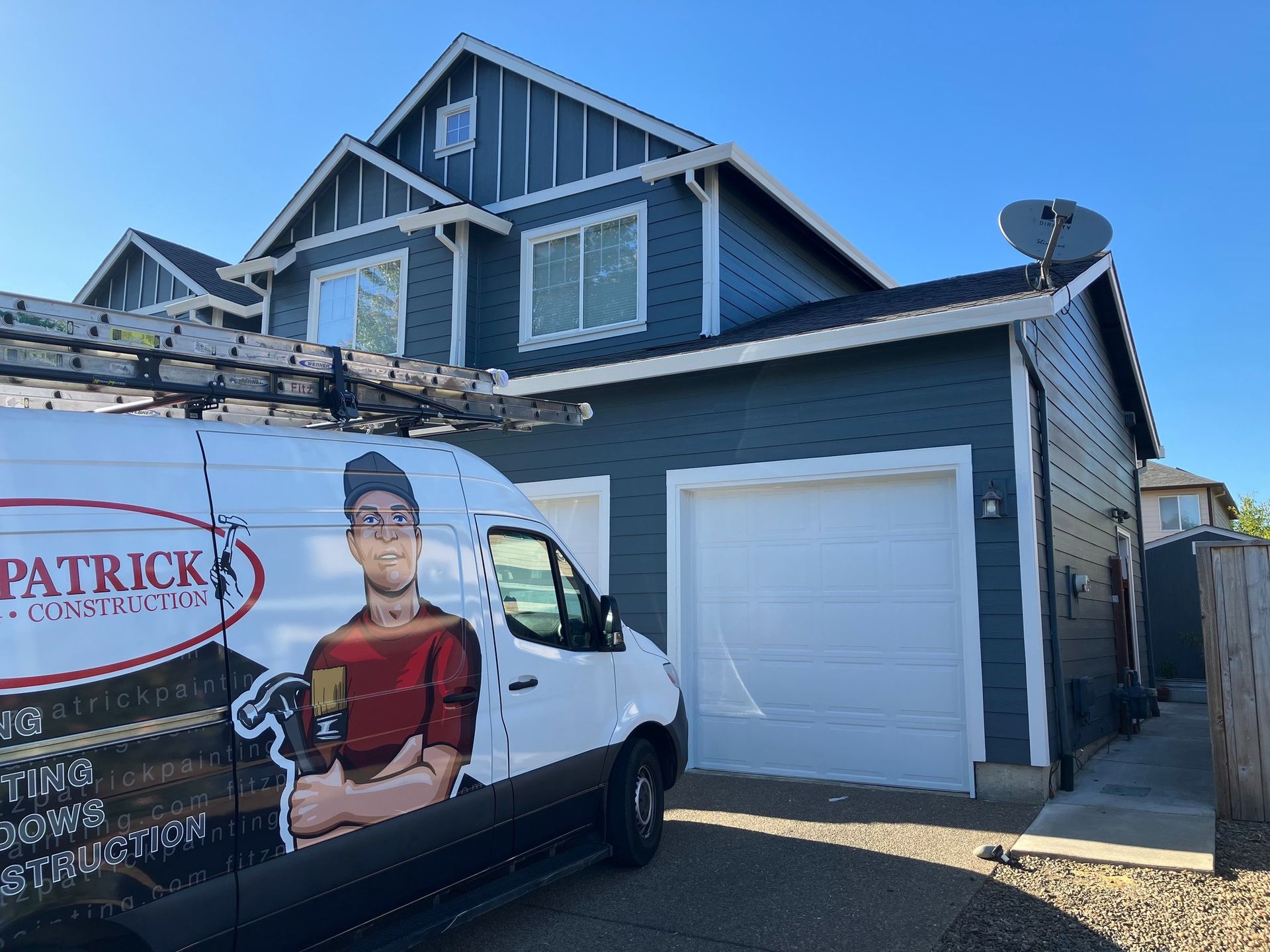
If you're planning an exterior repaint in an HOA community in the Willamette Valley, Fitzpatrick Painting & Construction can help you plan the painting side of the project, provide the necessary contractor and product information, and deliver a professional exterior finish once you're ready to move forward.
Ready to start planning? Request an exterior painting estimate or project consultation with Fitzpatrick Painting & Construction.