
Should You Paint Before or After Installing New Flooring?
Last Updated: August 13, 2026
If there is one thing better than a freshly painted house, it’s a freshly painted house…with new floors. But when you're planning both at the same time, there's an important question to answer before anyone starts tearing things up: Which comes first? Here’s the short answer: It's usually best to paint the walls and ceilings before installing new flooring, while baseboards, trim, and final paint touch-ups may be handled after the new floors are in place.
Of course, home improvement projects don't always follow a perfect checklist. The type of flooring you're installing, what's happening with your baseboards, and how much demolition is involved can all affect the best order.
Why Project Order Matters
Painting and flooring may seem like completely separate projects, but they have an annoying habit of getting in each other's way. Painting can involve drips, dust, ladders, equipment, and plenty of foot traffic. Flooring installation can involve demolition, cutting, hauling materials, and working right up against freshly painted walls and trim. Do things in the wrong order and you may end up protecting a brand-new floor from paint or touching up walls that looked perfect two days ago.
Why Painting Usually Comes Before New Flooring
If the existing flooring is already being replaced, it makes a pretty convenient work surface while the painting happens. Painting the walls and ceilings first means you don't have to worry nearly as much about an occasional drip, sanding dust, ladder feet, or other hazards damaging a brand-new floor. Painters still protect existing surfaces, but there's considerably less at stake when the floor underneath is headed for the dumpster anyway.
It also gives painters more freedom to complete ceiling and wall work before flooring installers begin bringing materials and equipment through the room. Once the painting is finished and the old flooring is removed, the new floor can go in without having to work around an active painting project.
Where Baseboards and Trim Fit Into the Project
Here's where our nice, simple "paint first, floor second" rule gets a little more complicated. Baseboards sit right where the two projects meet, so what you're doing with them can determine the final stages of the project.
Removing Baseboards Before Flooring:
Depending on the flooring and installation method, baseboards may need to come off before the new floor goes in. This can help installers create a cleaner edge around the room without awkward gaps or extra trim. The downside? Baseboard removal isn't always graceful. Nail holes, broken caulk lines, and small wall blemishes can happen, so it's smart to expect a little touch-up work afterward.
Painting Trim After Flooring Installation:
If baseboards are removed, replaced, or reinstalled, final trim painting often makes the most sense after the flooring is finished. Once everything is back in place, nail holes can be filled, joints caulked, and the trim painted or touched up. Any little wall scuffs from the flooring installation can be handled at the same time, leaving the walls, trim, and new floor looking like they actually belong together.
When Flooring Should Come First
Sometimes flooring makes more sense as step one. For example, you might want the flooring installed first if you're choosing your wall color specifically around the tone of the new floor. A flooring project involving significant demolition may also create enough dust, vibration, or wall contact that you'd rather save the painting until afterward. Scheduling can play a role too. If your flooring installer has an opening next Tuesday and your painter can't start until three weeks later, rearranging the sequence may make more sense than putting the whole project on hold.
There's nothing inherently wrong with painting after flooring. It just means the new floors will need to be carefully protected while the painting is completed.
How to Protect Finished Surfaces During the Project
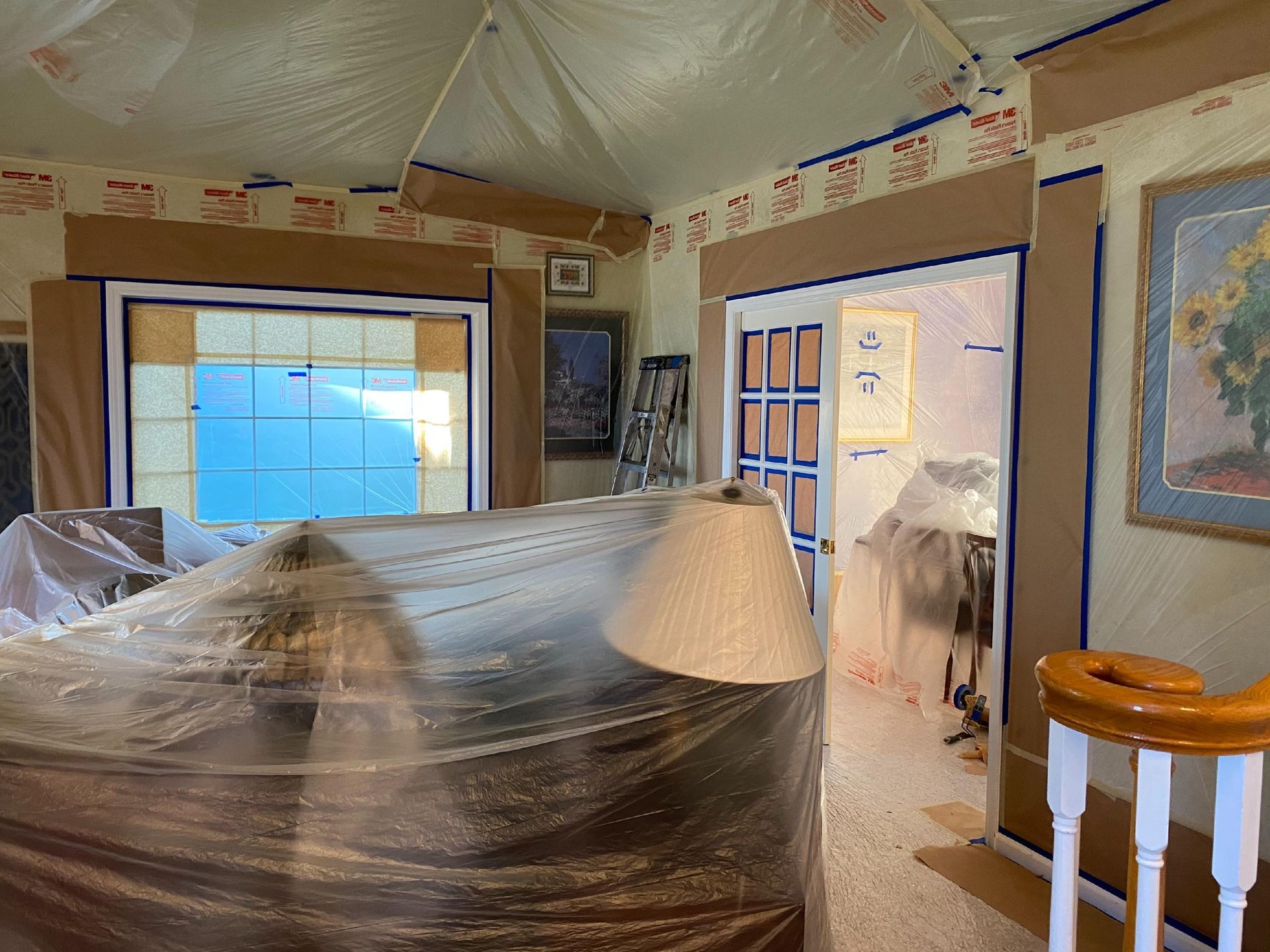
No matter which project happens first, somebody's finished work is probably going to be nearby while the next phase gets underway. That's where surface protection becomes one of the most important factors. Depending on the project, painters and flooring contractors may use drop cloths, protective floor coverings, plastic, masking materials, and dust-control measures to protect completed surfaces.
Communication matters just as much. If the painter knows baseboards are being removed next week, that can affect how the trim is handled. If the flooring contractor knows the walls were just painted, the crew can take extra precautions while carrying materials and equipment through the space. The goal isn't always to decide who gets there first. But everyone should understand what happens next.
Why Professional Planning Makes the Project Smoother
When painting is part of a larger interior update, a little coordination can prevent a surprising amount of rework. An experienced painting company can help homeowners determine when painting should happen, which surfaces should be completed before flooring, what trim work should wait, and where touch-ups are likely to be needed afterward. That's especially helpful when several rooms are involved or you're combining new flooring with wall, ceiling, door, and trim painting.
Plan Your Interior Refresh in the Right Order
So, should you paint before or after installing new flooring? In most cases, paint the walls and ceilings first, install the flooring next, and finish or touch up the baseboards and trim afterward. But the right sequence ultimately depends on the flooring, trim, demolition, scheduling, and overall scope of your project. If you're planning new flooring alongside an interior painting project in the Willamette Valley, Fitzpatrick Painting & Construction can help you think through the order of operations before work begins.
Ready to start planning your interior refresh? Request an estimate or project consultation with
Fitzpatrick Painting & Construction.