
What to Expect When You Hire a Professional Painting Company

Last Updated: September 24, 2025

There’s a big difference between spending your weekend on a DIY painting project and hiring a professional team. One usually ends with sore shoulders, uneven edges, and a few “oops” spots you’ll never unsee. The other ends with crisp lines, smooth walls, and the satisfaction of knowing it was done right, and all without you lifting a roller!


In all seriousness, hiring a professional painting company means more than just paint on walls. It’s about the process, the professionalism, and the peace of mind. In this post, we’ll walk you through what to expect every step of the way, and what a trustworthy company should deliver when they paint your home.


What Happens Before the Painting Begins

A quality paint job doesn’t start with paint; it starts with planning. Before a single drop of color hits your walls, there are important steps to make sure everything is clear, coordinated, and on schedule.


Consultation and Estimate

First comes the walkthrough. An estimator will meet with you to discuss your goals, whether it’s refreshing a single room or repainting your whole home. They’ll evaluate the surfaces, check for repairs, and talk through options like paint colors, finishes, and products.


A professional estimate should be more than just a number scribbled on a sticky note. Expect a clear, detailed proposal that includes:

  • Scope of work (what’s being painted, and how)
  • Prep details (repairs, sanding, priming)
  • Type of products being used
  • Timeline and projected completion date
  • Cost, with no hidden surprises


This is your chance to ask questions, compare options, and feel confident you know exactly what you’re paying for.


Project Planning and Scheduling

Once you approve the estimate, the scheduling begins. A good company will work with your availability, set a clear start date, and explain how long the job will take. They’ll also be transparent about factors that can affect timing: like weather (for exteriors), access to certain spaces, or additional repairs that come up along the way.


The goal here? No guesswork. You should know when the painters are arriving, how long they’ll be around, and when you can plan for that big “reveal.”
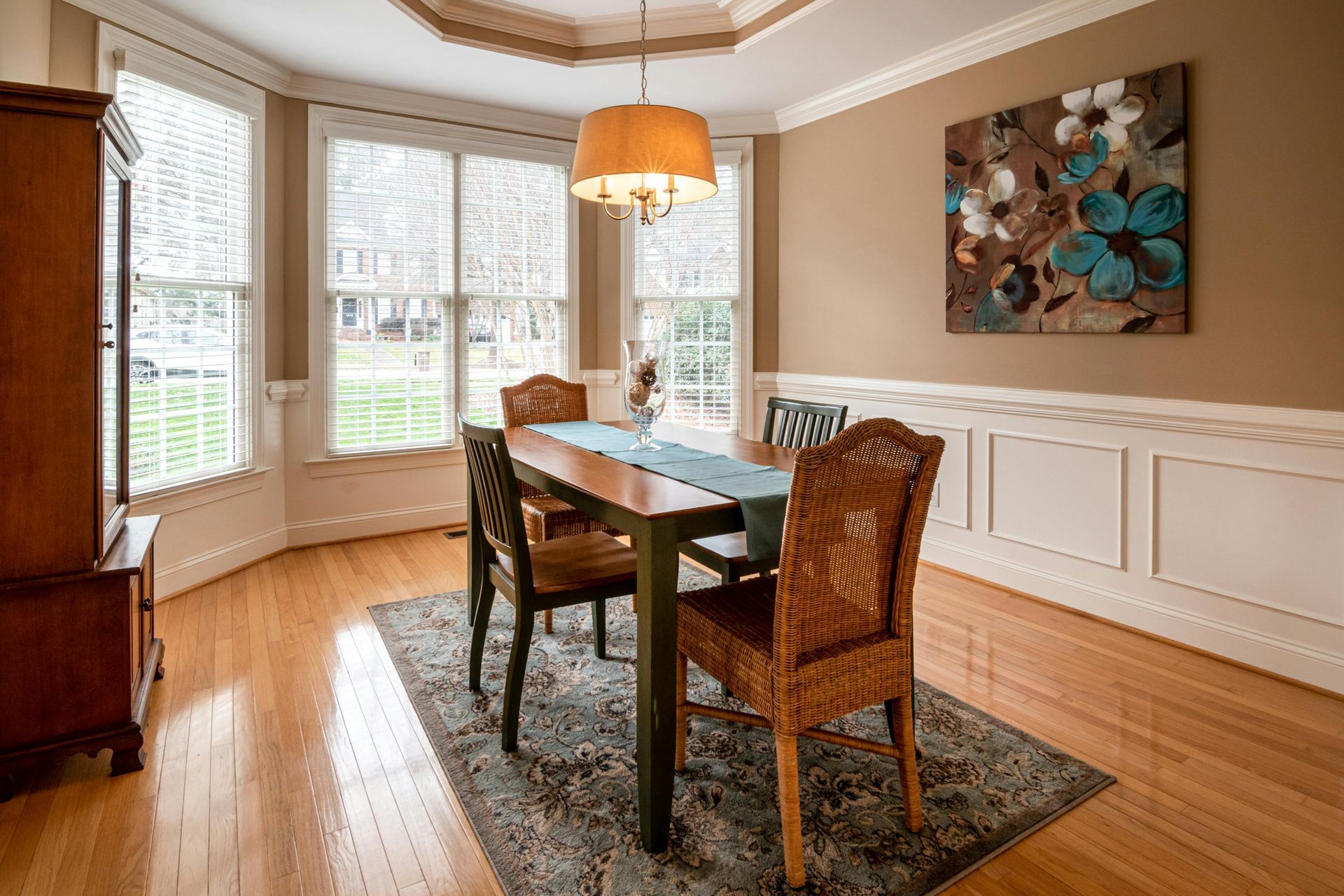
Dining room with table, chairs, windows, artwork, hardwood floors, and tan walls.

Prepping the Space for Painting

Now comes the part that most DIYers dread, and most pros excel at: prep work.

Furniture gets moved or covered, floors are protected, and surfaces are carefully sanded, patched, and primed. Cracks and nail holes are repaired. Loose paint is scraped. Imperfections are smoothed out so the paint has a flawless canvas to adhere to.


Why Prep Work Matters

Prep is what separates a “that’ll do” paint job from one that actually lasts. High-quality prep ensures:

  • Longer-lasting results (paint bonds better to smooth, clean surfaces)
  • Smoother finishes (no lumps, bumps, or hidden cracks)
  • Fewer touch-ups later on (saving time, money, and frustration)


Skipping prep might seem like a shortcut, but it usually ends up being a shortcut to repainting sooner than you’d like.


The Painting Process

With the prep work done, it’s time for the main event. The crew sets up daily, works methodically through the project, and maintains a clean, respectful environment in your home.


Professionalism and Communication

A professional painting company won’t leave you wondering what’s going on. Crews check in regularly, let you know their progress, and are available to answer questions. You’ll know which rooms are being worked on, when you can expect them to be finished, and what comes next.


Good communication keeps the job running smoothly and gives you confidence that your home is in good hands.


Cleanup and Final Walkthrough

When the last coat dries, the work isn’t done. The crew should clean up thoroughly, removing tape, drop cloths, and equipment so your home looks like a home again (just better).


Finally, you should expect a walkthrough. This is your chance to review the work with the project manager, ask questions, and point out anything you’d like touched up. A professional company will welcome this step, wanting you to be happy before they call it complete.
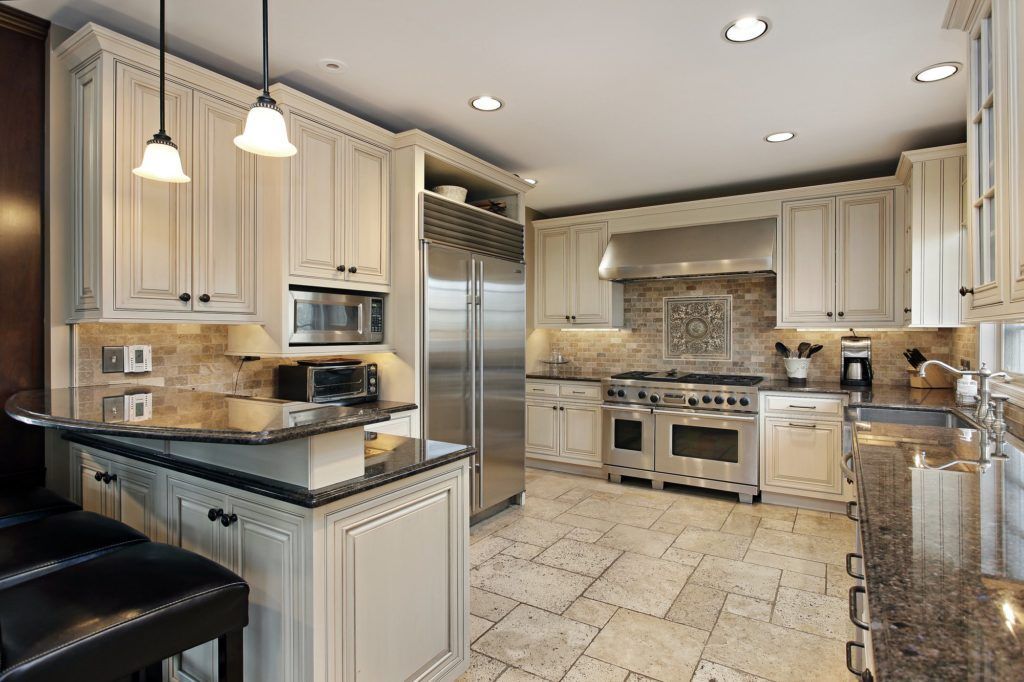
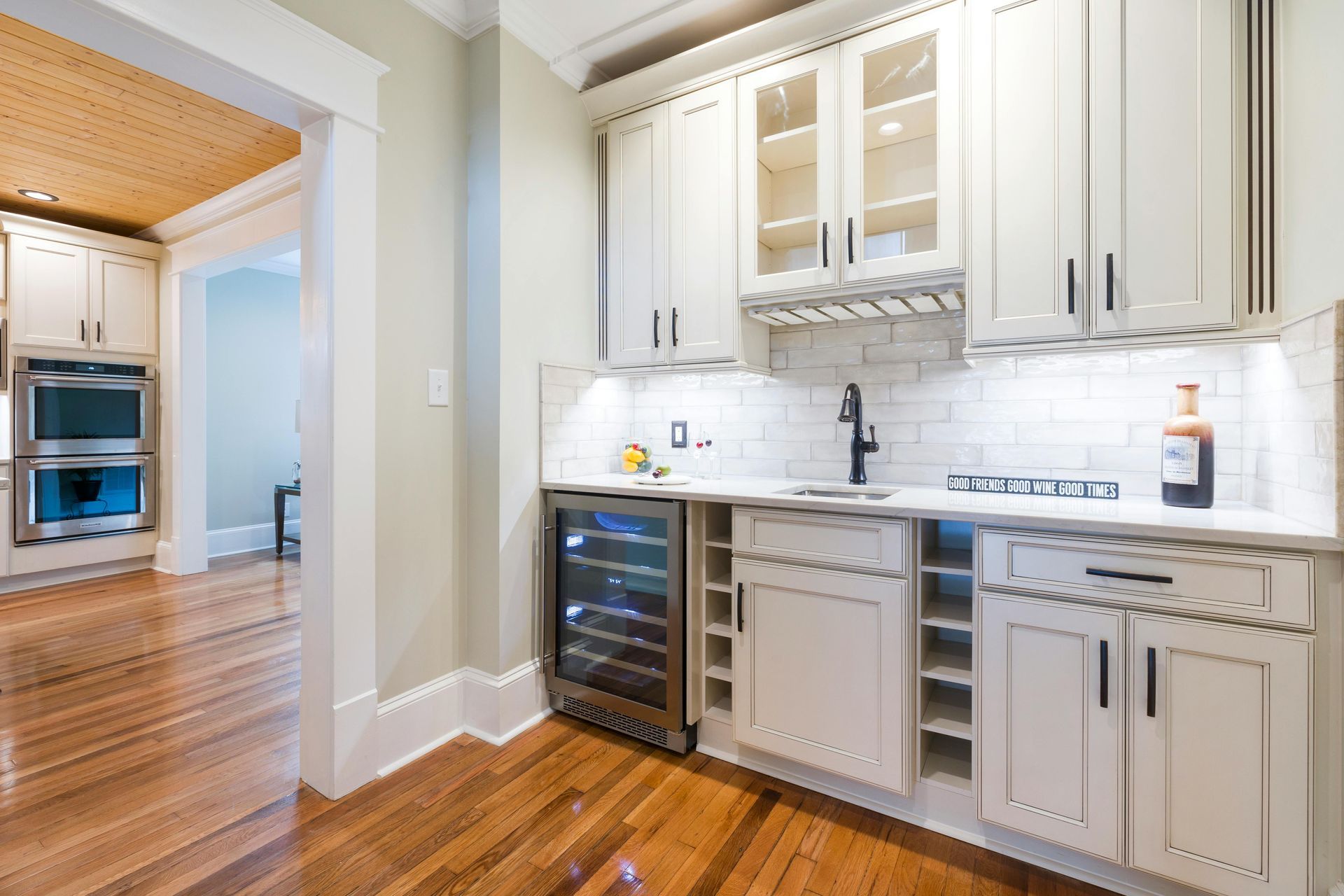
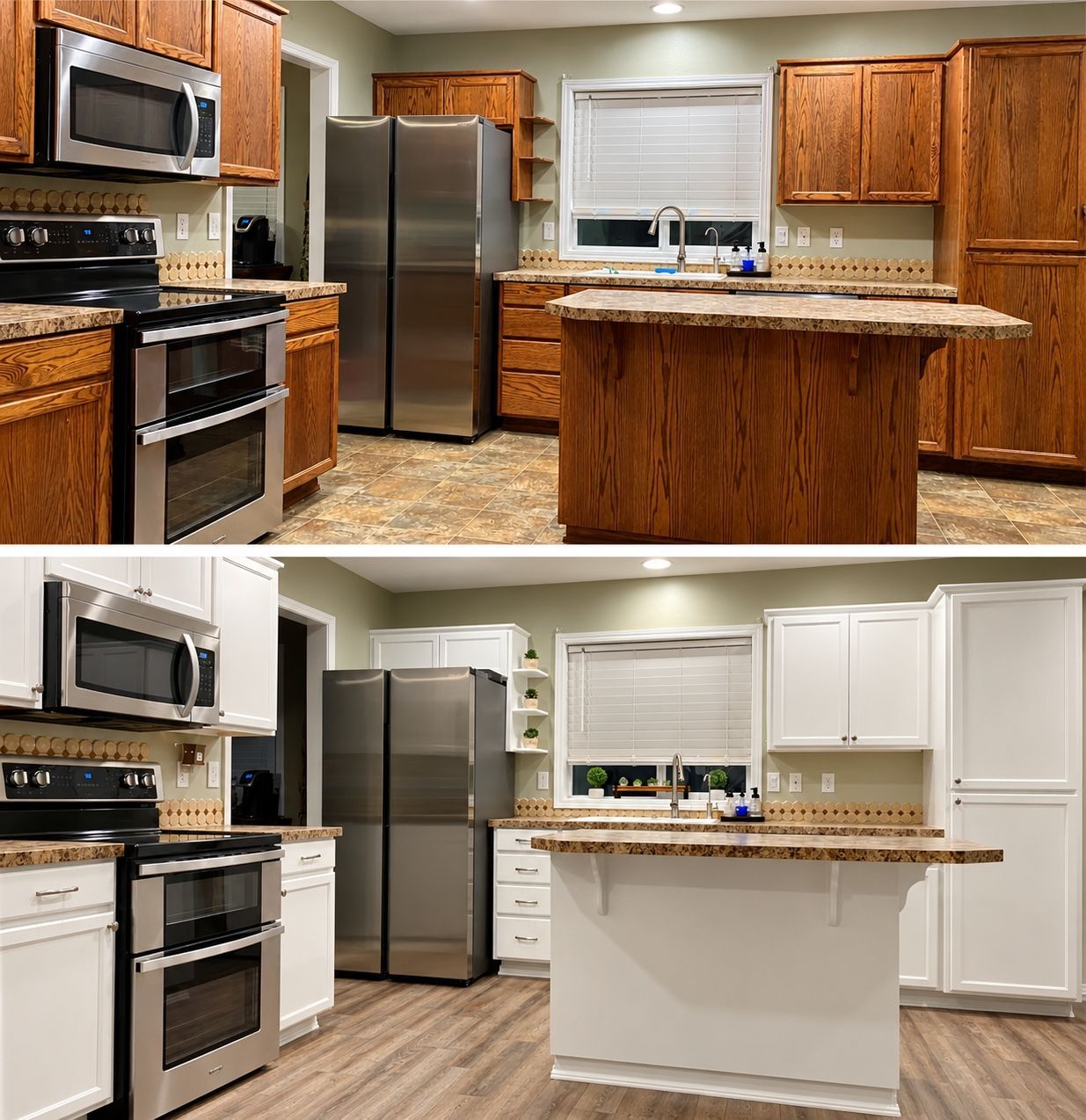
Elegant kitchen with cream cabinets, stainless steel appliances, and granite countertops.

Benefits of Hiring a Trusted Company Like Fitzpatrick Painting & Construction

Painting your home is an investment, and it pays to choose a company you can trust. Fitzpatrick Painting & Construction has built a reputation across the Willamette Valley by combining professionalism, insured crews, premium products, and a satisfaction guarantee.


With decades of experience, we understand the balance of efficiency and quality; delivering clean results with minimal disruption to your daily life. Whether it’s a single room, a full exterior, or an entire commercial property, our team has the training and the track record to do it right!


Ready to see the difference? Contact Fitzpatrick today for a free, no-obligation estimate.


Frequently Asked Questions About Hiring a Painter

Q: How long does it usually take to paint the inside of a home?
A: It depends on the size of the project and the prep involved. A single room may take a couple of days, while a full home could take a week or more. A good company will give you a clear timeline up front.


Q: Do I need to move furniture or will the painters handle it?
A: Most professional crews will move and cover furniture as part of prep. That said, it’s helpful if homeowners clear fragile or valuable items ahead of time.


Q: Should I buy the paint myself or is it included?
A: Typically, the company provides the paint. This ensures quality, consistency, and the correct amount. 


Q: How do I know the painters are insured?
A: Ask directly. A reputable company will gladly provide proof of insurance and licensing. It’s part of being a responsible contractor.


Q: What happens if I’m not satisfied with the final result?
A: A trusted company won’t consider the job complete until you’re happy. That’s why the final walkthrough matters. Fitzpatrick, for example, stands behind its work with a satisfaction guarantee.
September 28, 2026
Should you paint your whole house at once or tackle it room by room? Compare cost, convenience, timing, and disruption to find the best approach.
September 14, 2026
Wondering if your kitchen cabinets can be painted or if it’s time to replace them? Learn what makes cabinets worth painting—and when they’re not.
September 4, 2026
See what it takes to paint a large apartment building in Eugene, Oregon. Go behind the scenes of Fitzpatrick Painting & Construction's Franklin Apartments exterior painting project.
August 27, 2026
Wondering how long painted kitchen cabinets really last? Learn what affects their lifespan and how to keep your Willamette Valley kitchen looking great.
August 25, 2026
Repainting a home in an HOA? Learn what to check before you start, including approved colors, architectural review requirements, timelines, and contractor documentation.
August 13, 2026
Should you paint before or after installing new flooring? Learn the best project order for walls, ceilings, floors, baseboards, trim, and final touch-ups.
July 30, 2026
How long does a paint job last? Learn typical interior and exterior paint lifespans in the Willamette Valley and what factors help your paint last longer.
July 14, 2026
Looking for an interior painter in Salem? Use this checklist to compare contractors, ask the right warranty questions, spot red flags, and hire with confidence.
June 30, 2026
Planning interior painting for a Portland condo or townhome? Learn color, lighting, ventilation, HOA, and scheduling tips before starting your project.
June 30, 2026
Learn why some Salem homes need more exterior paint prep due to older siding, peeling paint, moisture damage, mildew, and Oregon weather.
June 30, 2026
Learn how Eugene’s rainy season affects exterior painting, including prep, drying time, scheduling, and how professionals plan around wet weather.
June 30, 2026
Older wood siding can give a Corvallis home a lot of character, but it also needs the right care before repainting. If your siding looks faded, peeling, cracked, or weathered, paint may help restore its appearance and protection. However, older wood siding should be checked for moisture damage, failing paint, soft wood, and proper prep needs before any new coating is applied. Painting over problems does not make them go away. In many cases, the most important part of the project happens before the first coat of paint goes on. A careful inspection, thorough prep work, and the right exterior painting process can make a major difference in how long the finished result lasts. Why Older Wood Siding Needs Extra Attention Before Painting Older wood siding does not behave the same way as newer siding materials. Wood can absorb moisture, expand, contract, crack, and show signs of age in ways that are not always obvious from a distance. A home may look like it only needs fresh paint, but once the surface is cleaned and inspected, there may be soft boards, open seams, or areas where old paint is no longer bonded well. This is especially important for older homes in Corvallis and the surrounding Willamette Valley. Many houses in the area have been through years of rain, shade, damp winters, and seasonal temperature changes. Over time, those conditions can wear down paint and expose the siding underneath. Before repainting, homeowners need to know whether the siding is still sound enough to hold paint properly. How Corvallis Weather Affects Wood Siding Corvallis weather can be tough on exterior wood. Wet winters, damp spring conditions, tree cover, and moss-prone areas can all speed up paint failure. Even when a home looks fine during the drier months, moisture may have already worked its way into weak spots around trim, lower siding, windows, or shaded walls. The shaded sides of a home often show wear sooner than areas with better sunlight and airflow. North-facing walls, areas under trees, and spots near landscaping may stay damp longer after rain. That extra moisture can lead to peeling paint, mildew growth, swollen wood, and surface damage. Because of this, painting older wood siding in Corvallis is not just about choosing a new color. It is about making sure the siding is dry, stable, and properly prepared for long-term protection. Signs Your Wood Siding Needs More Than a Quick Repaint A quick repaint may improve the look of a home for a short time, but it will not solve deeper siding problems. If the paint has failed because of moisture, rot, poor prep, or damaged wood, the same issues can come back after the new paint is applied. Before repainting older wood siding, homeowners should look for signs that repairs or extra prep may be needed first. Peeling Paint That Keeps Coming Back If the same areas keep peeling year after year, there is usually a reason. Repeated peeling can point to trapped moisture, poor previous prep work, or an older coating that is no longer bonded well to the siding. Simply painting over those areas may cover the problem temporarily, but the new paint may fail again if the surface underneath is not properly scraped, sanded, primed, and prepared. Peeling paint is especially common around areas that hold moisture, such as lower walls, window trim, and shaded sides of the house. These spots should be checked carefully before repainting. Soft Wood Near Trim or Lower Siding Soft wood is a warning sign that should not be ignored. Areas near the bottom of walls, windows, doors, and trim are often more vulnerable because water can collect, splash back, or enter through gaps. If the wood feels soft, swollen, crumbly, or weakened, paint will not fix it. Damaged wood should be repaired or replaced before painting. Painting over soft or rotted wood can trap moisture and make the problem worse. It can also shorten the life of the new paint job because the coating needs a solid surface to bond to. Cracks, Gaps, and Open Seams Cracks, gaps, and open seams allow moisture to get behind the siding or into trim joints. Over time, that moisture can lead to swelling, rot, peeling paint, and more repairs. These openings may be small, but they can have a big impact on how well the siding holds up after painting. Before paint is applied, failing caulking should be removed where needed, gaps should be sealed properly, and damaged areas should be addressed. This helps create a tighter exterior surface and gives the new paint a better chance to last. Why Prep Work Matters More on Older Siding Prep work is one of the biggest factors in how long an exterior paint job lasts, especially on older wood siding. If the surface is dirty, loose, glossy, damp, or damaged, new paint will not perform the way it should. Older siding often needs more detailed preparation because it may have layers of old paint, uneven surfaces, exposed wood, or problem areas that are easy to miss. A proper prep process may include washing the siding, removing loose paint, sanding rough edges, spot priming bare wood, sealing gaps, repairing damaged boards, and making sure the surface is ready for finish coats. These steps take time, but they are what help the paint bond correctly and protect the siding longer. Skipping prep may save time upfront, but it often leads to peeling, cracking, and repainting sooner than expected. Should Older Wood Siding Be Painted or Repaired First? Paint is designed to protect sound siding, not repair damaged siding. If the wood is still in good condition, a professional exterior painting project can help restore the home’s appearance and protect it from future weather exposure. But if there is rot, water damage, loose boards, or failing trim, those problems need to be addressed before painting. A professional inspection can help homeowners understand what the siding actually needs. Some homes only need minor repairs, targeted scraping, priming, and repainting. Others may need board replacement, trim repair, or more detailed prep before paint can be applied. Knowing this ahead of time helps avoid wasting money on a paint job that will not hold up.  For Corvallis homeowners, this is especially important because moisture-related siding issues can be easy to overlook until the surface is closely inspected. Getting the condition of the siding right first helps protect both the finished look and the home itself.
More Posts