How Do I Know If It’s Time to Replace My Front Door?

Last Updated: May 29, 2026

For many homeowners, it’s not always obvious when a front door has crossed the line from “could use a little touch-up” to “this thing probably needs to go.” Sometimes a fresh coat of paint and new hardware are enough to revive an entryway. Other times, the issues run deeper than appearance alone.


In general, it may be time to replace your front door when it becomes drafty, difficult to operate, visibly damaged, poorly sealed, or no longer provides the comfort, security, and curb appeal your home needs.


Why Your Front Door Matters More Than You Think


Your front door does a lot more than simply give people a place to knock. It affects first impressions, energy efficiency, home security, and your everyday experience walking in and out of the house. And a worn or outdated one can come with a host of frustrations. Maybe the hallway near the entry always feels colder in winter. Maybe the lock sticks every time it rains. Maybe you’ve started shoulder-checking the door closed like you’re entering a hockey rink instead of your living room.


For Oregon homeowners, front doors also take a beating from wet weather, changing temperatures, and seasonal moisture. A quality door should not only look good, but also hold up well through years of rain, damp air, and fluctuating conditions in the Willamette Valley.


Common Signs It’s Time to Replace Your Front Door


One isolated issue may be repairable. But when several problems start appearing together, replacement often becomes the smarter long-term investment.


Drafts Around the Door

If you notice cold air near the entryway, uneven indoor temperatures, or visible light around the edges of the door, your front door may no longer be sealing properly. Worn weatherstripping can sometimes be the issue, but older doors may also shift over time, creating gaps that let outside air and moisture inside. If your front door feels like it’s helping the outdoors “visit” your living room, it may be time for a closer look.


Trouble Opening or Closing

A front door should open smoothly without sticking, dragging, swelling, or requiring a strategic hip-check. When doors become difficult to operate, it can point to moisture damage, warping, settling, or frame movement. Small adjustments may fix minor issues, but repeated sticking or growing gaps around the frame often signal a door system nearing the end of its lifespan.


Visible Damage on the Door Surface

Surface damage is more than just cosmetic. Cracks, dents, peeling paint, rust, rot, or soft spots can weaken both the appearance and performance of the door over time. While repainting may temporarily improve appearance, it usually cannot stop deeper structural deterioration hiding underneath. A front door should make the home feel protected and maintained, not like it survived a minor pirate attack.


Moisture Damage Near the Frame

In the Willamette Valley, moisture-related wear is one of the most common issues affecting entry doors. Frequent rain and damp conditions can gradually impact thresholds, trim, framing, and surrounding materials. Homeowners may notice swelling wood, peeling paint, soft trim, water stains, or small areas of rot developing near the base of the door system.


Poor Security or Outdated Hardware

Your front door should feel solid and secure every time it closes. Loose locks, weak frames, aging hardware, or doors that no longer latch firmly can make the entry feel less protected. Even if the door still functions, an outdated or unreliable entryway can affect peace of mind for homeowners and families.


Curb Appeal That No Longer Fits the Home

Sometimes the biggest issue is simply how the door affects the appearance of the home. An outdated or heavily worn front door can make the entire exterior feel tired, even when the siding, paint, and landscaping are all in good condition. Because the front door naturally draws attention, updating it can dramatically improve the overall look of the entryway. It’s a little like wearing brand-new shoes with a twenty-year-old backpack. Eventually, one thing starts making the rest feel older than it really is.

Should You Repair, Repaint, or Replace the Door?


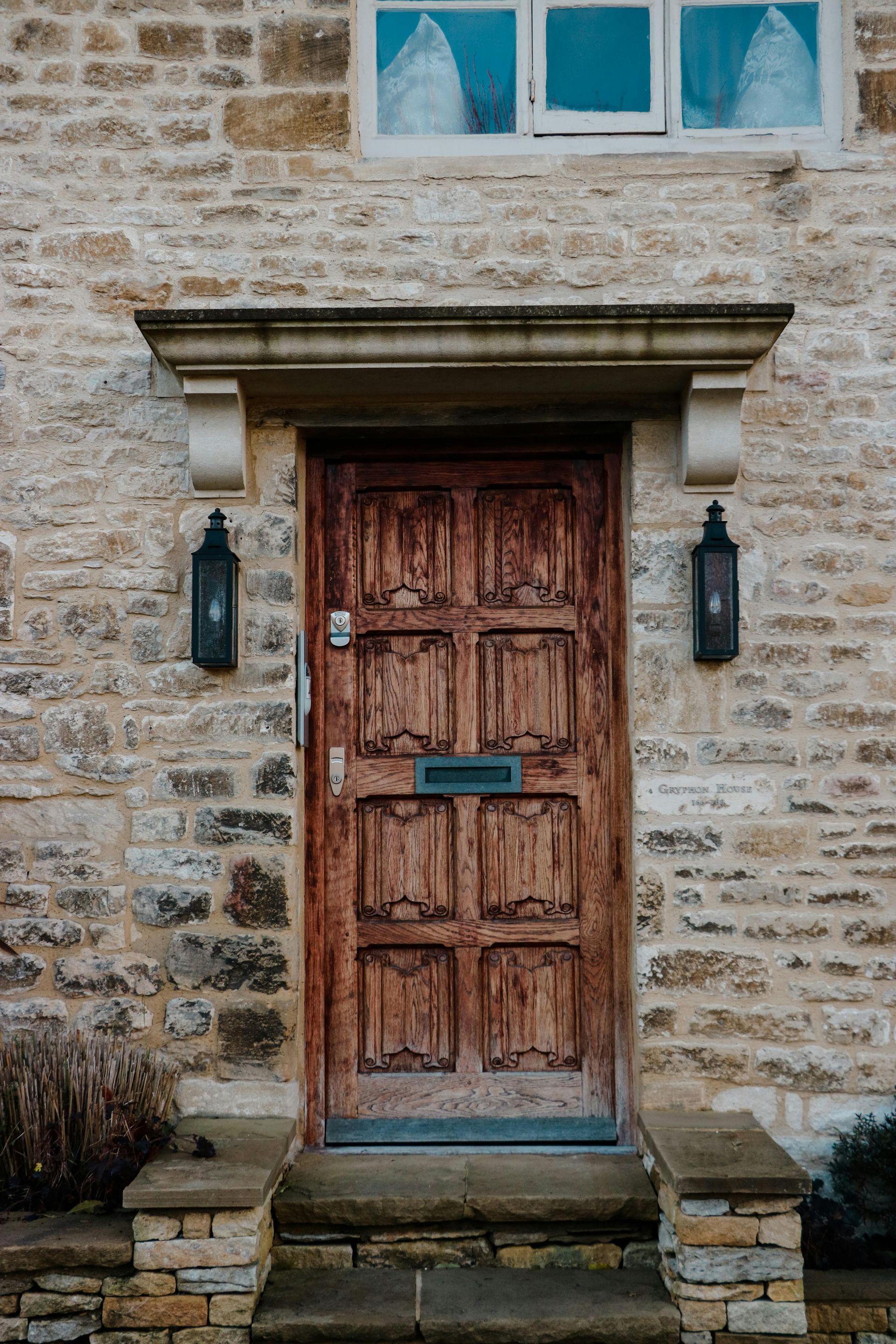
Not every front door needs full replacement. In many cases, repainting or minor repairs can extend the life of a solid, well-built door. If the issue is mostly cosmetic, such as fading paint, minor scratches, or outdated color choices, refinishing the door may be enough to restore its appearance. But, replacement often makes more sense when the door is warped, poorly insulated, structurally damaged, difficult to operate, or no longer sealing correctly. Continuing to patch recurring issues can sometimes cost more over time than investing in a properly installed new door.


The goal is not simply making the door “look better.” It’s making sure the entryway performs the way it should.


How a New Front Door Can Improve Your Home


A new front door can improve far more than appearance alone. Modern door systems often provide:

  • Better insulation
  • Improved energy efficiency
  • Smoother operation
  • Better weather sealing
  • Stronger security features
  • Reduced outside drafts
  • Improved curb appeal


Many homeowners also notice that a new front door simply makes the home feel more updated, comfortable, and well cared for overall. And unlike some home upgrades that only get appreciated during resale conversations, you use your front door every single day. That daily convenience matters more than people sometimes realize.


Choosing the Right Front Door for Oregon Weather


Material selection matters, especially in western Oregon’s climate. Homeowners should consider factors like moisture resistance, insulation value, durability, maintenance needs, and long-term performance when choosing a new front door. Some materials hold up better against damp conditions than others, while certain finishes may require more maintenance over time.


Style matters too. The right front door should complement the rest of the home’s exterior, including siding, trim, paint colors, and architectural style. A modern farmhouse entry may need something very different than a traditional craftsman or contemporary home. The goal is finding a door that looks right, performs well, and continues holding up through Oregon’s wet seasons.


Get More from Your Entryway with a New Front Door


If your front door is showing signs of wear, sticking during rainy months, letting in drafts, or simply making the exterior feel outdated, Fitzpatrick Painting & Construction can help. Our team works with homeowners throughout the Willamette Valley to improve entryways with quality exterior upgrades designed for Oregon conditions. From replacing aging doors and trim to improving curb appeal and weather resistance, we focus on solutions that balance appearance, performance, and long-term durability.


Ready to upgrade your entryway? Contact Fitzpatrick Painting & Construction today to schedule a consultation or request an estimate.
September 28, 2026
Should you paint your whole house at once or tackle it room by room? Compare cost, convenience, timing, and disruption to find the best approach.
September 14, 2026
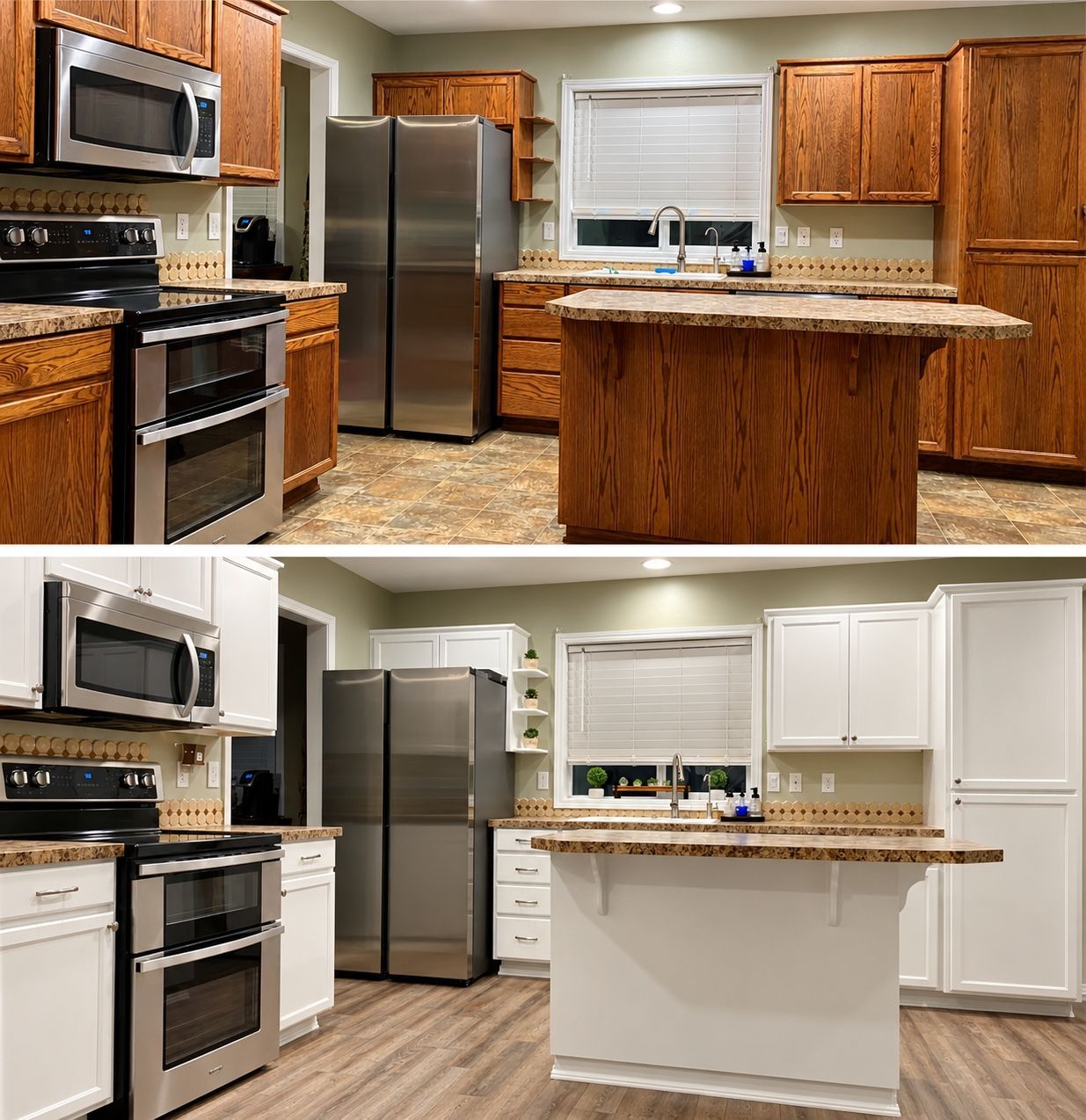
Wondering if your kitchen cabinets can be painted or if it’s time to replace them? Learn what makes cabinets worth painting—and when they’re not.
September 4, 2026
See what it takes to paint a large apartment building in Eugene, Oregon. Go behind the scenes of Fitzpatrick Painting & Construction's Franklin Apartments exterior painting project.
August 27, 2026
Wondering how long painted kitchen cabinets really last? Learn what affects their lifespan and how to keep your Willamette Valley kitchen looking great.
August 25, 2026
Repainting a home in an HOA? Learn what to check before you start, including approved colors, architectural review requirements, timelines, and contractor documentation.
August 13, 2026
Should you paint before or after installing new flooring? Learn the best project order for walls, ceilings, floors, baseboards, trim, and final touch-ups.
July 30, 2026
How long does a paint job last? Learn typical interior and exterior paint lifespans in the Willamette Valley and what factors help your paint last longer.
July 14, 2026
Looking for an interior painter in Salem? Use this checklist to compare contractors, ask the right warranty questions, spot red flags, and hire with confidence.
June 30, 2026
Planning interior painting for a Portland condo or townhome? Learn color, lighting, ventilation, HOA, and scheduling tips before starting your project.
June 30, 2026
Learn why some Salem homes need more exterior paint prep due to older siding, peeling paint, moisture damage, mildew, and Oregon weather.
June 30, 2026
Learn how Eugene’s rainy season affects exterior painting, including prep, drying time, scheduling, and how professionals plan around wet weather.
June 30, 2026
Older wood siding can give a Corvallis home a lot of character, but it also needs the right care before repainting. If your siding looks faded, peeling, cracked, or weathered, paint may help restore its appearance and protection. However, older wood siding should be checked for moisture damage, failing paint, soft wood, and proper prep needs before any new coating is applied. Painting over problems does not make them go away. In many cases, the most important part of the project happens before the first coat of paint goes on. A careful inspection, thorough prep work, and the right exterior painting process can make a major difference in how long the finished result lasts. Why Older Wood Siding Needs Extra Attention Before Painting Older wood siding does not behave the same way as newer siding materials. Wood can absorb moisture, expand, contract, crack, and show signs of age in ways that are not always obvious from a distance. A home may look like it only needs fresh paint, but once the surface is cleaned and inspected, there may be soft boards, open seams, or areas where old paint is no longer bonded well. This is especially important for older homes in Corvallis and the surrounding Willamette Valley. Many houses in the area have been through years of rain, shade, damp winters, and seasonal temperature changes. Over time, those conditions can wear down paint and expose the siding underneath. Before repainting, homeowners need to know whether the siding is still sound enough to hold paint properly. How Corvallis Weather Affects Wood Siding Corvallis weather can be tough on exterior wood. Wet winters, damp spring conditions, tree cover, and moss-prone areas can all speed up paint failure. Even when a home looks fine during the drier months, moisture may have already worked its way into weak spots around trim, lower siding, windows, or shaded walls. The shaded sides of a home often show wear sooner than areas with better sunlight and airflow. North-facing walls, areas under trees, and spots near landscaping may stay damp longer after rain. That extra moisture can lead to peeling paint, mildew growth, swollen wood, and surface damage. Because of this, painting older wood siding in Corvallis is not just about choosing a new color. It is about making sure the siding is dry, stable, and properly prepared for long-term protection. Signs Your Wood Siding Needs More Than a Quick Repaint A quick repaint may improve the look of a home for a short time, but it will not solve deeper siding problems. If the paint has failed because of moisture, rot, poor prep, or damaged wood, the same issues can come back after the new paint is applied. Before repainting older wood siding, homeowners should look for signs that repairs or extra prep may be needed first. Peeling Paint That Keeps Coming Back If the same areas keep peeling year after year, there is usually a reason. Repeated peeling can point to trapped moisture, poor previous prep work, or an older coating that is no longer bonded well to the siding. Simply painting over those areas may cover the problem temporarily, but the new paint may fail again if the surface underneath is not properly scraped, sanded, primed, and prepared. Peeling paint is especially common around areas that hold moisture, such as lower walls, window trim, and shaded sides of the house. These spots should be checked carefully before repainting. Soft Wood Near Trim or Lower Siding Soft wood is a warning sign that should not be ignored. Areas near the bottom of walls, windows, doors, and trim are often more vulnerable because water can collect, splash back, or enter through gaps. If the wood feels soft, swollen, crumbly, or weakened, paint will not fix it. Damaged wood should be repaired or replaced before painting. Painting over soft or rotted wood can trap moisture and make the problem worse. It can also shorten the life of the new paint job because the coating needs a solid surface to bond to. Cracks, Gaps, and Open Seams Cracks, gaps, and open seams allow moisture to get behind the siding or into trim joints. Over time, that moisture can lead to swelling, rot, peeling paint, and more repairs. These openings may be small, but they can have a big impact on how well the siding holds up after painting. Before paint is applied, failing caulking should be removed where needed, gaps should be sealed properly, and damaged areas should be addressed. This helps create a tighter exterior surface and gives the new paint a better chance to last. Why Prep Work Matters More on Older Siding Prep work is one of the biggest factors in how long an exterior paint job lasts, especially on older wood siding. If the surface is dirty, loose, glossy, damp, or damaged, new paint will not perform the way it should. Older siding often needs more detailed preparation because it may have layers of old paint, uneven surfaces, exposed wood, or problem areas that are easy to miss. A proper prep process may include washing the siding, removing loose paint, sanding rough edges, spot priming bare wood, sealing gaps, repairing damaged boards, and making sure the surface is ready for finish coats. These steps take time, but they are what help the paint bond correctly and protect the siding longer. Skipping prep may save time upfront, but it often leads to peeling, cracking, and repainting sooner than expected. Should Older Wood Siding Be Painted or Repaired First? Paint is designed to protect sound siding, not repair damaged siding. If the wood is still in good condition, a professional exterior painting project can help restore the home’s appearance and protect it from future weather exposure. But if there is rot, water damage, loose boards, or failing trim, those problems need to be addressed before painting. A professional inspection can help homeowners understand what the siding actually needs. Some homes only need minor repairs, targeted scraping, priming, and repainting. Others may need board replacement, trim repair, or more detailed prep before paint can be applied. Knowing this ahead of time helps avoid wasting money on a paint job that will not hold up.  For Corvallis homeowners, this is especially important because moisture-related siding issues can be easy to overlook until the surface is closely inspected. Getting the condition of the siding right first helps protect both the finished look and the home itself.
More Posts