
Can You Repaint Interior Trim and Baseboards Without Repainting the Walls?
Last Updated: October 20, 2026
It’s white, it's visible, and most of it is in the direct line of fire from the ordinary tasks of daily life. Yeah, we’re talking about trim. And as long as your home is occupied, it's the first thing to start showing the signs of wear. Most people know that an interior repaint typically involves a fresh trim coat to top it off. But what if you just don't want to wait for your next interior repaint? Are there drawbacks to only painting the trim?
Let's settle it here: You can usually repaint interior trim and baseboards without repainting the walls, provided the existing wall paint is clean, intact, and coordinates with the new trim color. The key is deciding whether a trim-only project will give you the finished look you want. Here’s what to consider before putting every wall in the house on the interior painting project list.
When Trim-Only Painting Makes Sense
Trim has a demanding job. Baseboards collect shoe marks, pet hair, and whatever the mop leaves behind. Door frames get bumped by laundry baskets, furniture, and people carrying slightly too many things at once.
Because these surfaces take frequent abuse, they can need attention long before the walls do. Daily wear plays a big role in how long a paint job lasts, and trim often takes more abuse than the walls around it.
Trim-only painting makes sense when your walls still have an even finish and a color you like, but the surrounding woodwork has scuffs, chips, yellowing, or an outdated appearance. Fresh paint can restore definition around doors and windows and make the room feel more cared for. It can also be a practical way to focus your painting budget. If the walls don’t need work, there’s no automatic reason to include them. Just remember that detailed trim preparation takes more time per square foot overall, so a smaller painted surface doesn’t always mean a quicker project. If you have ever painted trim… you know.
How Existing Wall Colors Affect the Result
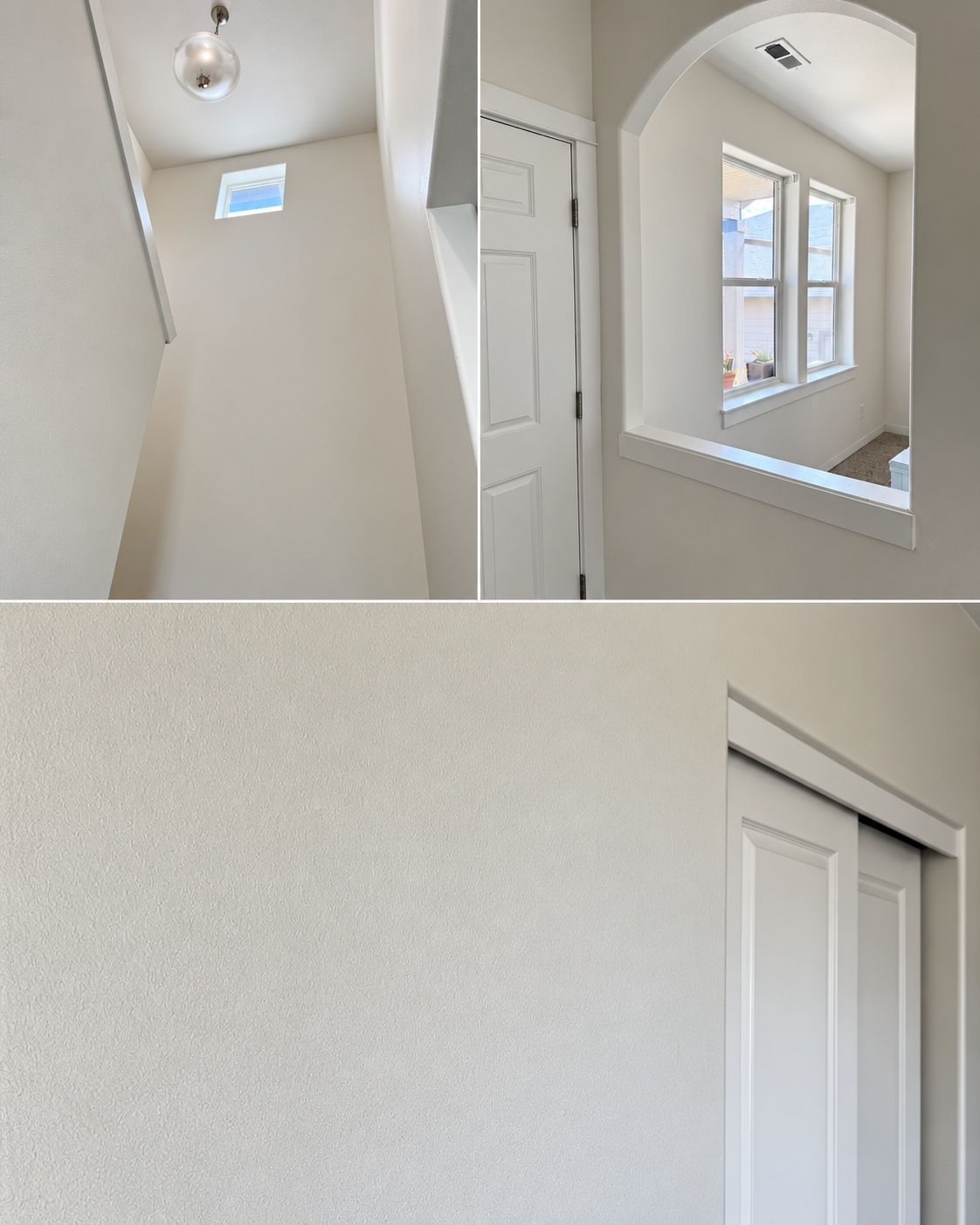
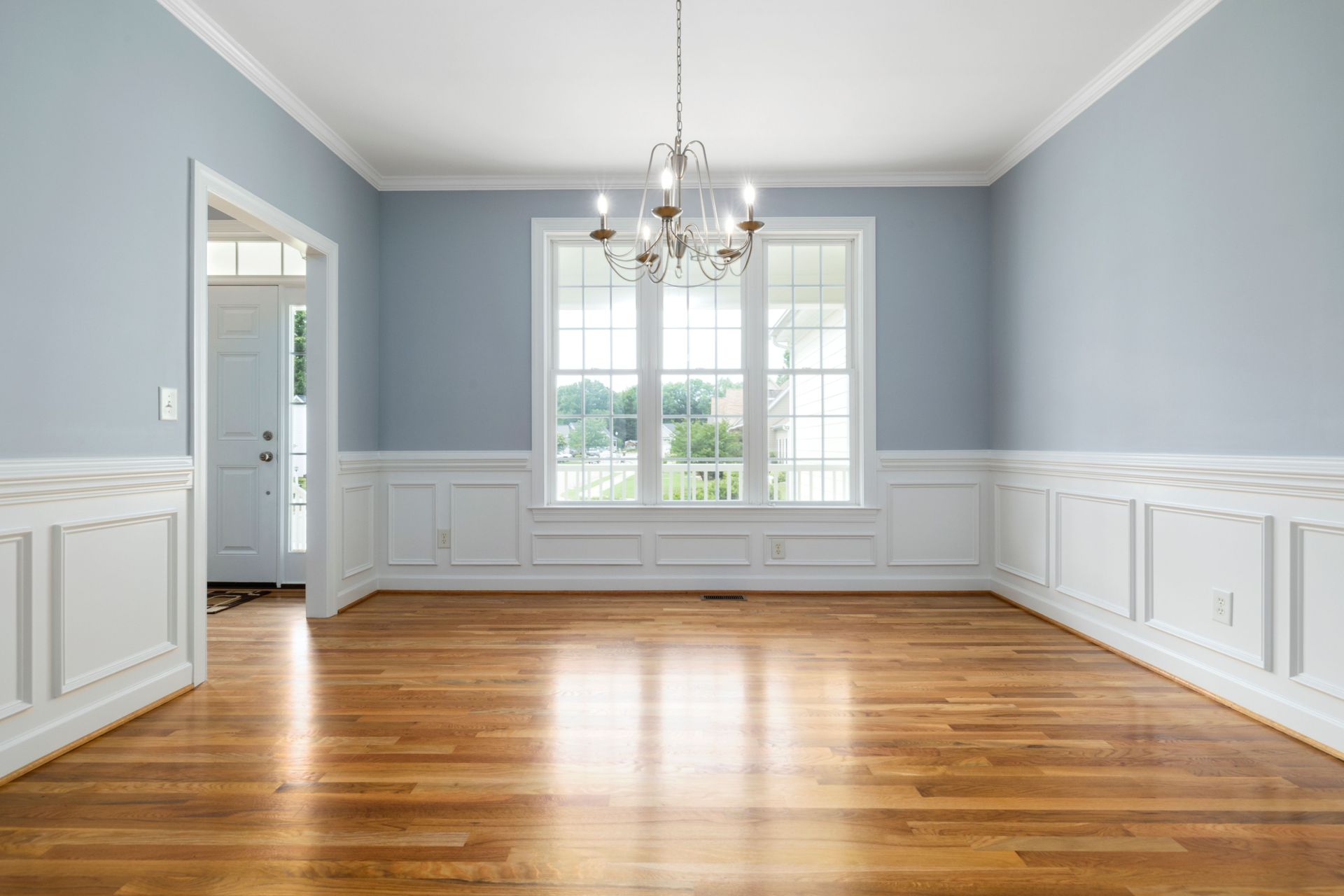
Choosing trim paint independently of your wall color is a little like buying shoes without considering the outfit. White trim, especially, deserves a closer look. A bright white beside a warm beige wall can make the wall appear more yellow. A creamy white next to a cool gray may look dingier than expected. Neither color is necessarily wrong, but the combination matters.
Lighting and nearby materials influence the result, too. Flooring, cabinetry, countertops, and even the view through a window can affect how a trim color appears. That’s why choosing the best paint for your trim involves more than grabbing the first white swatch you see.
Test potential colors beside the existing walls and check them at different times of day. If you’re matching trim elsewhere in the house, compare against that finish as well. “White” covers a lot of territory, and your door frames would appreciate a little specificity.
What Preparation Is Needed Before Repainting Trim
A smooth, durable trim finish starts before the paint can opens. Especially when the walls are staying, because you don't have the wiggle room to cover over minor line disturbances or paint specks. Tape and plastic or a professional degree of confidence will be your best friends. Some other things to note…
- Trim needs more cleaning than your average interior surface. Dust, grease, and household residue need to be gone. And if the existing finish is high gloss, extra sanding and priming should be accounted for so the new coating can bond properly.
- Small dents and nail holes need filling and sanding. Existing ones and potentially new ones. If work is going into beat-up trim, it’s common to address sections that are pulling away with new fasteners.
- Failed caulk or gaps at painted joints may also need attention, along with peeling paint, which should not “just be painted over.” A fresh coat can improve a lot, but it cannot persuade loose paint to stay attached.
Understanding how to paint trim properly is not difficult, but it takes time (and a strong will).
Which Interior Surfaces Should Be Included?
Baseboards may be the first thing catching your eye, but they’re rarely the only painted detail in the room. Door frames, window trim, crown molding, interior doors, and built-ins all contribute to the overall appearance. If you refresh one surface, that can make an older neighboring finish look more noticeable. And it might just hurt its feelings.
For example, painting baseboards a crisp white while leaving yellowed door casings untouched may create a mismatch that wasn’t obvious before. Similarly, freshly painted door frames can draw attention to worn doors.
Now, that doesn’t mean every painted surface needs to be included. Different finishes can work together intentionally. But the goal is to evaluate connected surfaces before work begins, so the finished room looks planned rather than partly completed.
If you happen to be replacing floors, consider where baseboard painting fits into the flooring schedule. Coordinating the work can help avoid damage to a freshly finished surface.
When Repainting the Walls Makes More Sense
Sometimes fresh trim is all a room needs. Other times, it acts like turning up the lights on everything around it. If your walls are faded, heavily marked, patched, or noticeably older than the trim finish you’re planning, repainting only the woodwork may make those differences stand out. It’s also worth checking for signs of a poor interior paint job, such as uneven coverage or peeling, that a trim refresh won’t resolve.
In short, a full-room repaint is worth considering when the existing colors no longer coordinate or wall repairs are already needed. And if your goal is a completely different look, keeping a wall color you’ve stopped liking may limit what the project can accomplish. The useful question is whether you’ll be happy with the walls once the trim looks new. If the answer is “probably, as long as we keep the lamps dim,” it may be time to include them.
Should You Repaint One Room or Several at Once?
If worn trim is limited to one room, starting there can be perfectly reasonable. But when the same wear appears throughout the house, grouping several rooms into one painting project deserves consideration.
Working across connected spaces helps maintain consistent trim colors and finishes, especially in open layouts where several rooms are visible at once. It can also reduce repeated setup, protection, and cleanup. Rather than scheduling separate projects for the hallway, living room, and adjoining bedrooms, you may find it more convenient to address them together.
Your budget and household routine still matter. A phased approach can work well, provided the color, sheen, and project boundaries are established from the beginning.
Refresh Your Interior Without Repainting Everything
If you’ve learned anything, it should be that you don’t have to choose between living with battered baseboards and repainting your entire interior. Often, a carefully planned trim project can make a noticeable difference while preserving wall paint that still looks good.
Not sure where to draw the line on your painting project? At Fitzpatrick Painting & Construction, we can help you decide what needs a fresh coat, what still looks great, and which colors will bring it all together. Let’s give those hardworking baseboards a fresh start.
Request an interior painting estimate and we’ll help you make a plan that fits your home and budget.