What’s Included When You Have Kitchen Cabinets Professionally Painted?
Last Updated: October 10, 2026
“Painting the kitchen cabinets.” Sounds straightforward, right? You pick a color, the painters get to work, and your kitchen gets a fresh look. But does that include the shelves inside? The island? That decorative panel beside the dishwasher? Apparently “the cabinets” needs a little more explanation. And we’re here to give it.
In short, professional cabinet painting usually covers the main visible cabinet surfaces, but the exact scope varies by kitchen, contractor, and whether optional areas such as cabinet interiors are included. Before comparing estimates, it helps to understand what those surfaces actually are. Here’s what to look for when planning your
professional cabinet painting project.
What Parts of the Cabinets Are Usually Painted?
Cabinetry consists of individual components, each requiring its own preparation and finishing work. Understanding those parts helps you compare estimates and picture the finished result. You don’t need to become a cabinetmaker, but a few terms come in handy.
Cabinet Doors and Drawer Fronts
Doors and drawer fronts are the most visible parts of your cabinetry and are typically removed for separate preparation and painting. Confirm whether the estimate includes door backs and edges, along with any false drawer fronts. That decorative panel beneath your sink may never open, but it still needs to match.
Cabinet Boxes and Face Frames
Cabinet boxes are the fixed structures that hold your shelves and drawers, while face frames surround the front openings on framed cabinets. Visible frames and exposed box surfaces generally need painting to match the doors. Because these components stay in place, the surrounding countertops, walls, appliances, and flooring need careful protection.
Exposed End Panels
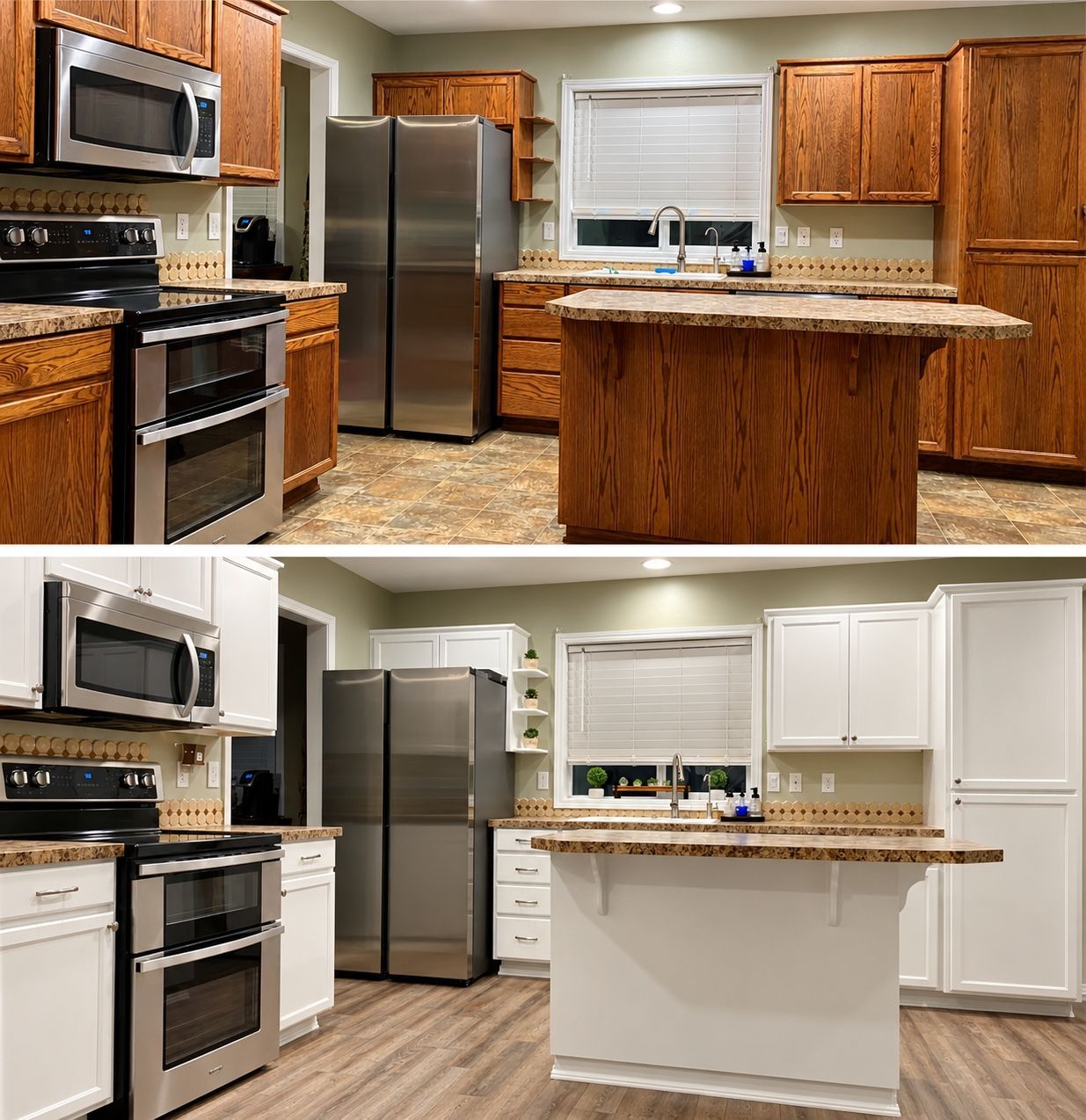
Exposed end panels are the visible sides of cabinets at the ends of cabinet runs, islands, or peninsulas. These surfaces usually need painting to coordinate with the newly finished doors and frames. Otherwise, your fresh white cabinets might end with an unexpected wood-toned panel that looks more forgotten than intentional.
Decorative Trim and Cabinet Details
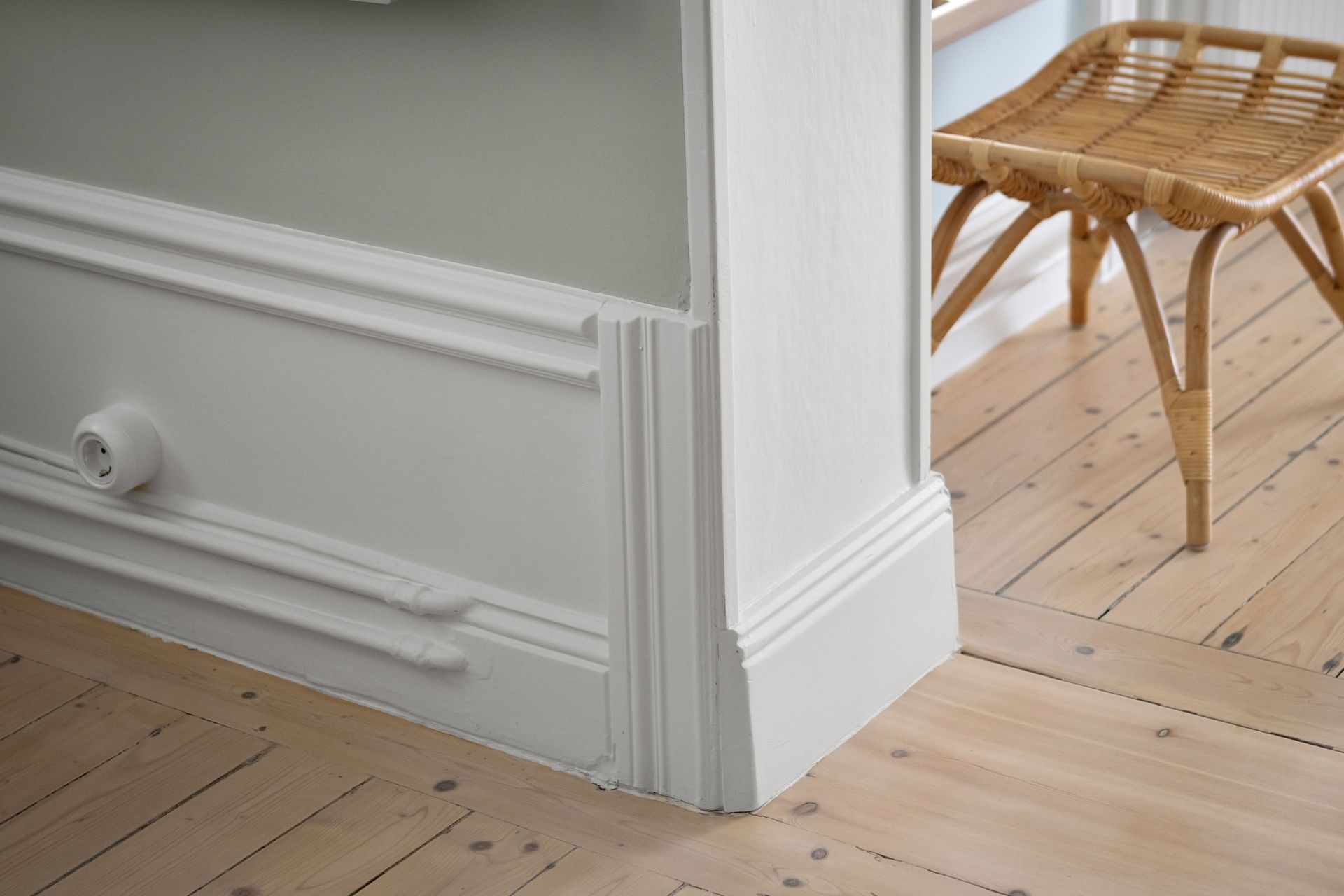
Crown molding, light rails beneath upper cabinets, recessed toe kicks at floor level, decorative supports called corbels, and hood details may also be part of the project. Their grooves, edges, and profiles add preparation and painting time, so make sure the estimate clearly identifies which features are included. Small details can make a big difference in the finished kitchen.
Are Cabinet Interiors Included?
Often, cabinet interiors are treated separately from the exterior painting scope. If yours are clean, in good condition, and hidden behind solid doors, leaving them alone may be perfectly reasonable.
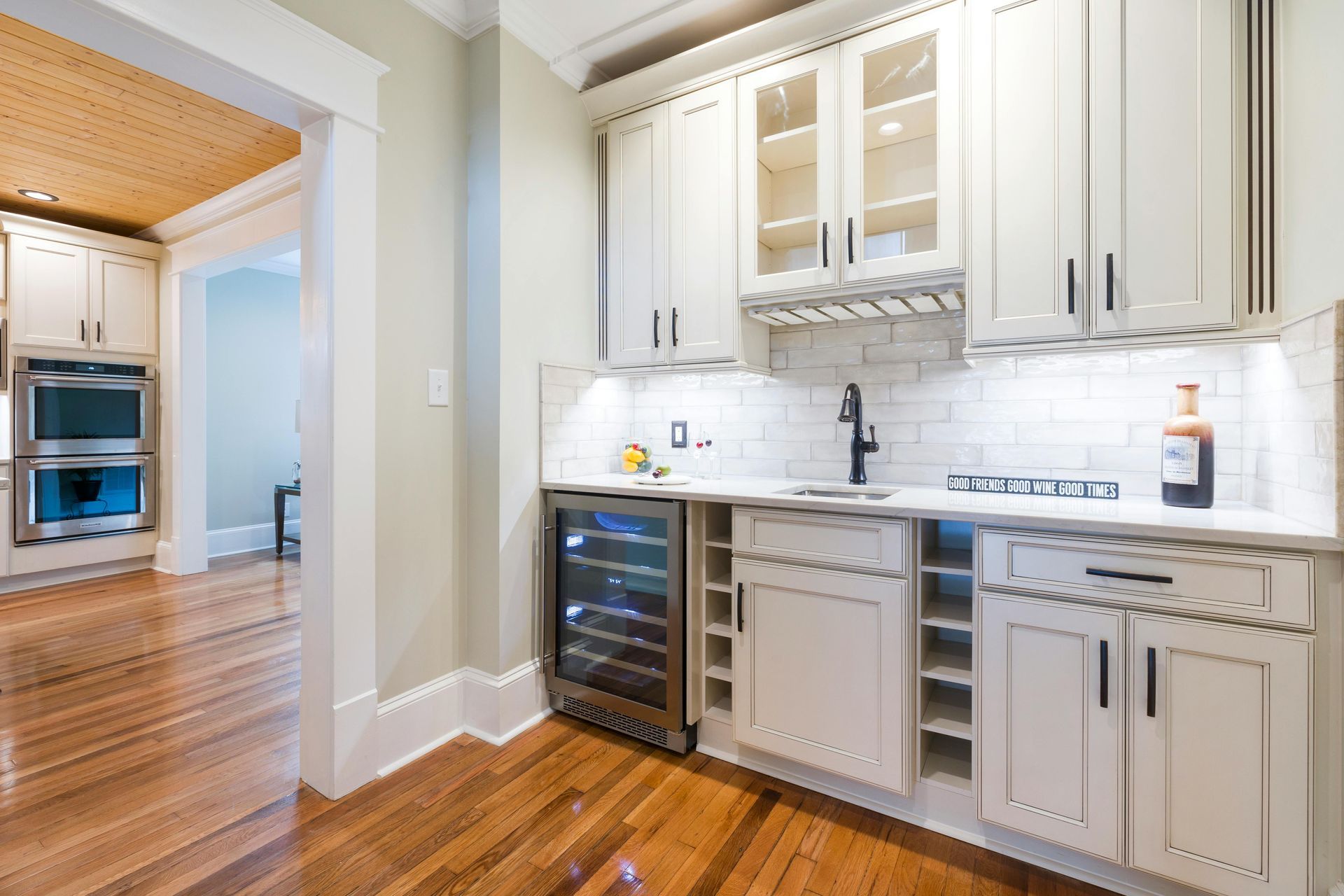
Glass-front cabinets and open shelving are different because their interiors stay on display. Painting may also make sense when interior finishes are worn or you want a coordinated appearance whenever you open a door.
The important distinction is between painting the back of a cabinet door and painting the shelves and walls inside the box. Those are separate tasks. For a closer look, read our guide to whether you should paint the inside of your kitchen cabinets.
What About Islands and Other Kitchen Features?
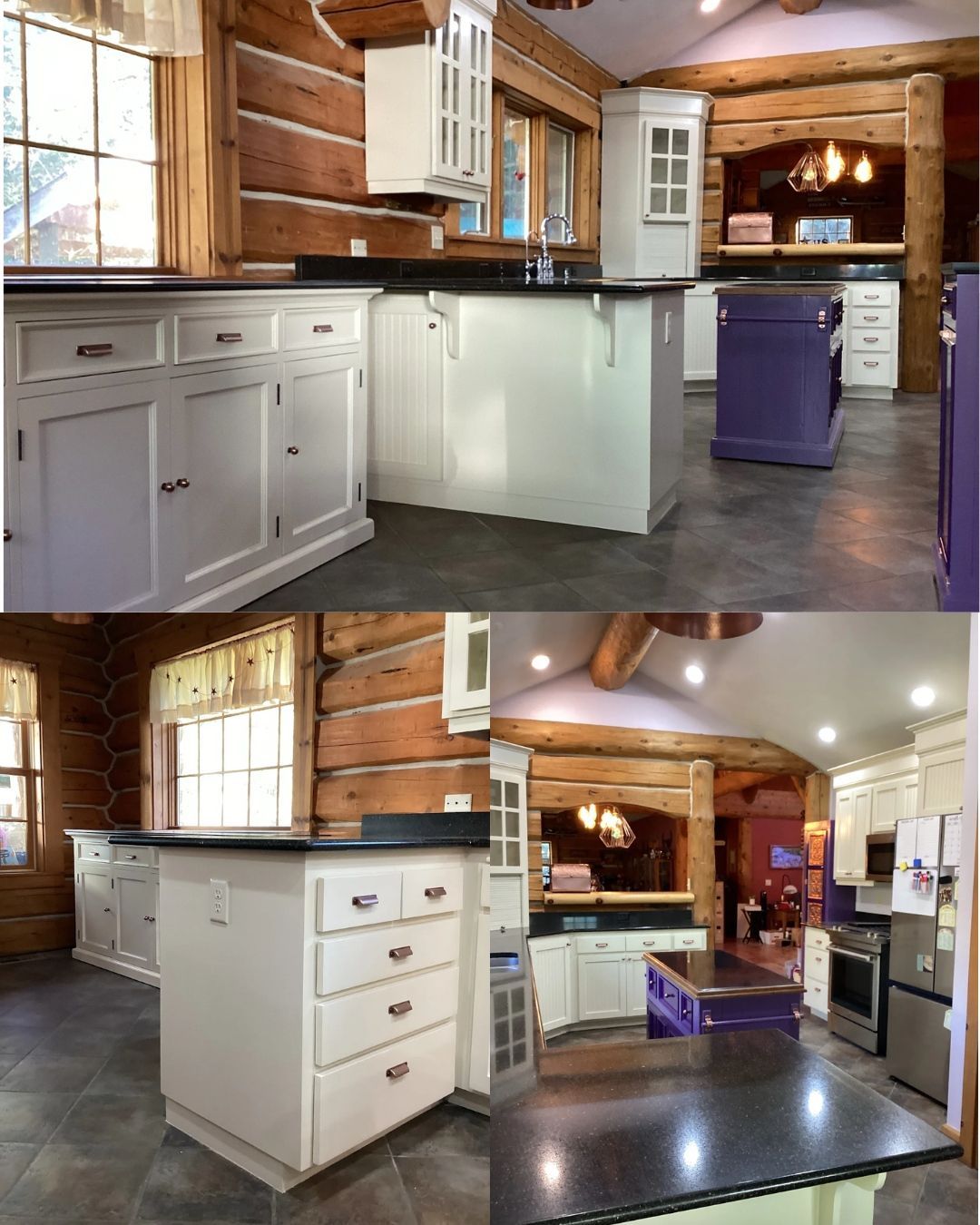
Your island might match the cabinets, but that doesn’t automatically put it in the estimate. The same goes for pantry cabinets, built-in desks, beverage stations, and nearby storage. Identify these features during the walkthrough, including any exposed backs, sides, or decorative panels.
And hey, a contrasting island color can be a great design choice, too. Just discuss it before work begins. Additional colors can affect materials, application, and scheduling. “While you’re here” is a much easier conversation before the paint has been ordered.
What Else Happens During Professional Cabinet Painting?
The finish gets the attention, but cabinet preparation does much of the heavy lifting. Doors, drawer fronts, and hardware are typically removed and labeled so everything returns to the correct location. Then, every surface needs to be cleaned and appropriately sanded or de-glossed, and any agreed-upon minor repairs need to be completed. Priming is likely, but it ultimately depends on the cabinet material and products being used. And of course, don’t forget that nearby surfaces also need protection before professional coatings are applied.
The schedule should account for all of this: drying, careful reassembly, and final touch-ups. Full curing can continue afterward, so ask when normal cleaning and heavier use can resume. A finish that feels dry isn’t necessarily ready for everything family life can throw at it.
Those details help determine how long professionally painted cabinets last.
Which Items May Be Separate from the Painting Scope?
New handles, replacement hinges, replacement doors, significant repairs, and extensive wood restoration may be separate items. A painted finish doesn’t automatically include things like filling oak grain or old hardware holes for differently sized pulls either. If that’s your goal, ask what additional preparation would be needed.
Damaged cabinetry deserves evaluation before painting is approved. Swollen materials, loose joints, or warped doors may need repair or replacement. Our article on whether your kitchen cabinets can be painted explains what makes a good candidate.
Why Project Scope Matters for the Finished Appearance
A kitchen can have beautifully painted doors and still feel unfinished if visible frames, panels, or trim are overlooked. The goal is to consider the kitchen as a whole. That includes deciding which existing finishes will remain and how they’ll work beside the new color. Keeping some wood accents can look intentional and attractive. Discovering an unexpected strip of old finish after everything is reinstalled usually feels less like a design decision.
What Should You Confirm Before Approving a Cabinet Painting Estimate?
Ask the contractor to identify the included doors, drawer fronts, face frames, exposed box surfaces, end panels, trim, and island components in writing. Clarify door backs, edges, interiors, and any optional surfaces. The estimate should also explain preparation, coatings, hardware handling, repairs, and reassembly. Ask about the expected schedule and how kitchen access will be affected.
When comparing proposals, check that they cover the same work. A lower total may reflect fewer surfaces or different preparation. A useful estimate tells you what you’re buying, rather than leaving “paint cabinets” to everyone’s imagination.
The Takeaway? Know Exactly What Your Cabinet Painting Project Includes
At Fitzpatrick Painting & Construction, we help Willamette Valley homeowners evaluate cabinet condition and project goals before deciding how to move forward. Whether you’re updating a compact kitchen or coordinating cabinets, an island, and built-ins, the details deserve a conversation before the first door comes off.
Request your cabinet painting estimate, and let’s put together a clear plan for your kitchen’s fresh start.