6 Signs It’s Time To Replace Your Windows
Last Updated: March 30, 2026
Window problems don’t usually show up all at once. They build slowly. A little draft here. A window that sticks there. Maybe your energy bill creeps up, but nothing feels urgent enough to deal with right away.
And that’s why a lot of homeowners delay replacing their windows.
But over time, those small issues start adding up. Drafts, rising energy costs, visible damage, and operational problems are all signs that your windows may need more than a quick fix. This guide will help you spot those signs early—so you can avoid ongoing issues and protect your home’s long-term value.
Why Window Condition Matters More Than Most Homeowners Realize
Windows do more than just let the light in.
They play a big role in your home’s energy efficiency, comfort, moisture control, and overall appearance. When they’re working properly, you don’t think about them much. But when they start to fail, the effects show up quickly. Poor-performing windows can lead to:
- Higher energy bills
- Drafty, uncomfortable rooms
- Moisture issues that affect walls and trim
- A noticeable drop in curb appeal
6 Clear Signs You Need New Windows
Most window issues don’t stay small for long. These signs usually point to deeper performance problems that repairs can’t fully solve.
Drafts That Make Rooms Uncomfortable:
If you notice temperature differences near your windows, that’s a red flag. Drafts often mean the seals have failed or the insulation isn’t doing its job anymore. You might feel cold air in the winter or warm air creeping in during the summer. Either way, your windows aren’t keeping the outside where it belongs.
Rising Energy Bills Without Clear Explanation:
If your energy costs are going up but your usage hasn’t changed, your windows could be the reason. Inefficient windows allow heat to escape in the winter and let it in during the summer. That forces your HVAC system to work harder—and run longer—to maintain a comfortable temperature. Over time, that adds up.
Windows That Stick or Do Not Operate Smoothly:
Windows should open, close, and lock without needing to burn calories. If they stick, jam, or won’t stay open, it could point to frame warping, balance issues, or general wear from years of use. Beyond being frustrating, this can also become a safety concern, especially if the window is meant to serve as an exit.
Condensation or Fog Between Glass Panes:
Moisture between panes is a clear sign of seal failure. Once that seal breaks, the insulating gas inside the window escapes and is replaced by air and moisture. That leads to foggy glass, reduced clarity, and a noticeable drop in insulation performance. At that point, the window isn’t doing what it was designed to do.
Visible Damage Around Frames or Glass:
Cracks, soft wood, rot, or deteriorating frames are more than cosmetic issues. They usually indicate long-term moisture exposure and structural decline. Left unaddressed, that damage can spread and affect surrounding materials. When you start seeing physical deterioration, replacement is often the smarter long-term solution.
Outside Noise That Seems Louder Than It Should Be:
If outside noise feels more noticeable than it used to, your windows may not be insulating properly. Older or failing windows allow more sound to pass through, especially if seals have broken down or the glass lacks modern insulation features. Newer windows can significantly reduce that noise and make your home feel quieter and more comfortable.
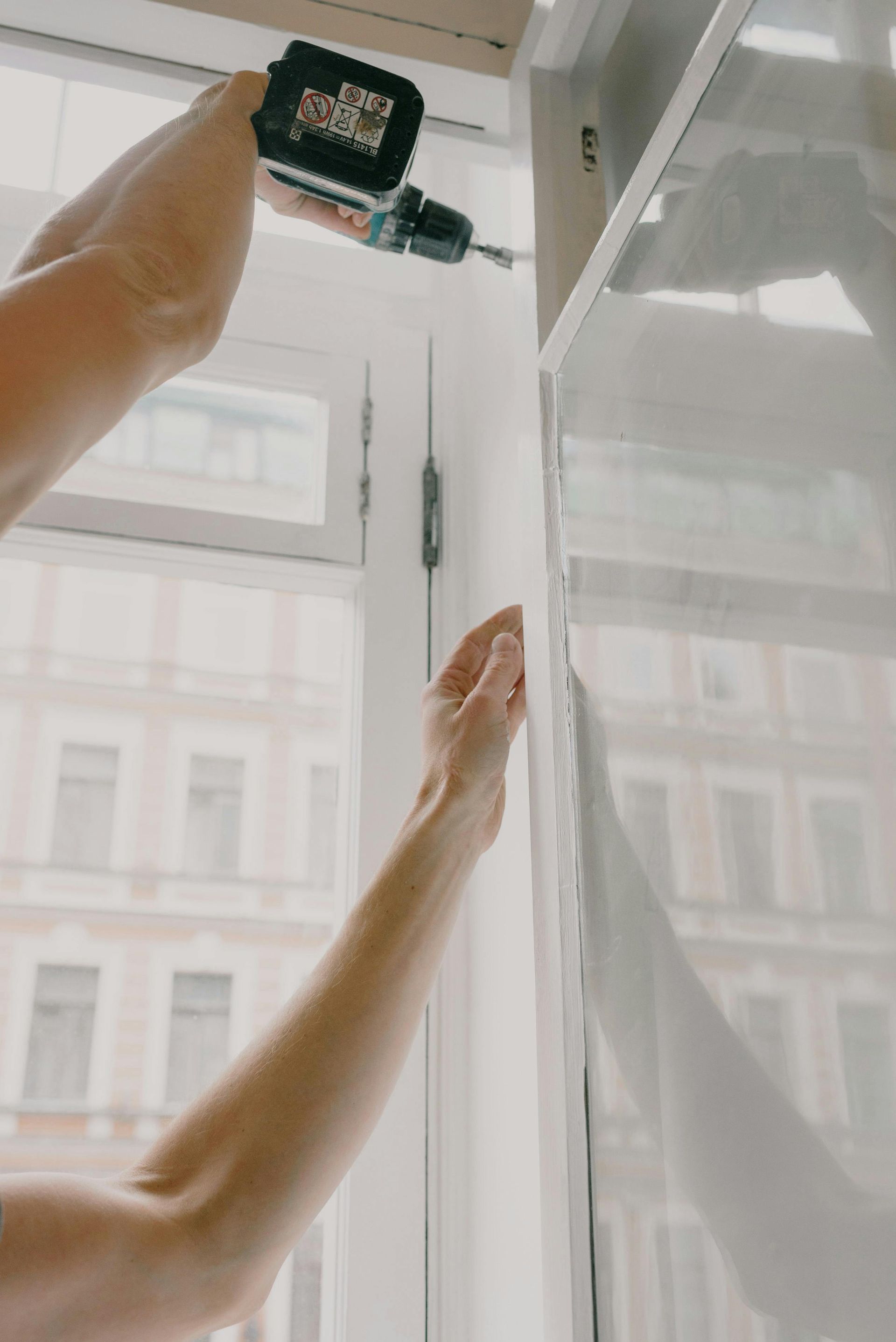
Repair vs Replacement What Homeowners Should Know
Not every window issue requires a full replacement—but many do. Minor problems like small hardware fixes or basic maintenance can sometimes be repaired. But most of the signs above point to deeper performance issues. And that’s where replacement makes more sense.
Trying to patch these problems repeatedly can cost more over time than replacing the windows once and solving the issue completely.
How New Windows Improve Comfort and Value
New windows don’t just fix problems. They improve how your home performs overall. For example, they help:
- Improve insulation and temperature control
- Reduce energy costs
- Enhance curb appeal
- Increase buyer confidence
From a resale perspective, updated windows signal that the home has been well maintained and won’t require immediate upgrades. That’s something buyers notice.
How Long Windows Typically Last
Most windows have a lifespan of about 15 to 25 years. That range depends on several factors, including material quality, installation, and environmental exposure.
In areas like Oregon, where moisture and seasonal changes are more pronounced, windows can wear down faster than they would in drier climates. That makes regular evaluation even more important.
Replace Your Windows with a Team You Can Trust
When it’s time to replace your windows, the quality of the work matters just as much as the windows themselves.
Fitzpatrick Painting & Construction brings experience, attention to detail, and a focus on both performance and appearance to every project. The goal isn’t just to install new windows—it’s to improve how your home looks, feels, and functions. If you’ve started noticing any of these signs, it may be time to take a closer look.
Reach out to request a consultation or estimate, and we’ll help you determine the right next step for your home.