The Best Time to Remove Moss from Your Roof
If you live in western Oregon, moss on your roof probably isn’t a question of if—it’s a question of when. It’s one of the most common roofing issues homeowners deal with, especially in areas where moisture and shade are part of everyday conditions.
The best time to remove roof moss is during late spring through early fall when weather is drier and roofs can be safely treated and cleaned. In the Willamette Valley, where damp conditions, tree coverage, and limited sun exposure are common, moss can grow quickly, making proactive roof maintenance especially important.
Why Moss Is Such a Common Problem in the Willamette Valley
The Willamette Valley offers the perfect environment for moss to thrive. Long stretches of rain, overcast skies, and consistent moisture create ideal growing conditions for organic buildup on roofing surfaces.
In areas like Salem, Albany, Eugene, and nearby communities, it’s common for homes to be surrounded by mature trees that limit direct sunlight. This combination of shade and moisture allows moss to take hold easily and spread faster than it would in drier climates. Once it starts growing, it doesn’t take long before it begins to cover shingles, especially on north-facing roof sections.
Why Timing Matters for Roof Moss Removal
Removing moss at the right time of year directly impacts how effective the treatment is and how safely the work can be completed. Drier conditions allow moss treatments to properly absorb and do their job. They also make it easier to remove debris without smearing or damaging roofing materials. From a safety standpoint, working on a dry roof reduces the risk of slipping and allows for a more thorough inspection of the surface.
When timing is right, the entire process, from treatment to cleanup, is more efficient and less likely to cause unintended damage.
The Best Seasons for Roof Moss Removal
Each season offers a slightly different advantage when it comes to roof moss removal. Understanding how weather conditions change throughout the year can help you choose the right time to treat and clear your roof effectively while minimizing risk.
Late Spring
Late spring is often one of the best times to address moss. After months of winter rain, roofs begin to dry out, creating better conditions for treatment. At the same time, moss is still relatively manageable before it thickens or hardens in the summer heat.
Summer
Summer is typically the safest and most efficient time for moss removal. Dry weather allows treatments to work effectively, and the roof surface is easier to navigate. It’s also a great time to handle minor repairs that may have been hidden during the wetter months.
Early Fall
Early fall provides a final opportunity to take care of moss before Oregon’s heavier rains return. Addressing buildup during this window helps ensure your roof and gutters are ready to handle increased moisture through the winter season.
When Roof Moss Should Be Removed Immediately
While timing matters, there are situations where waiting isn’t the best option.
If you notice large moss patches, clogged roof valleys, visible water backup, lifted shingles, or signs of leaks, it’s important to address the issue right away. These are indicators that moss is already affecting how water is draining from your roof. In these cases, delaying removal can allow damage to worsen—potentially leading to more extensive repairs down the line.
Why Moss Is More Than a Cosmetic Issue
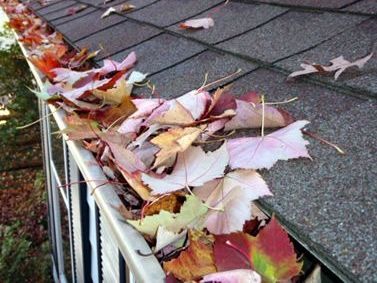
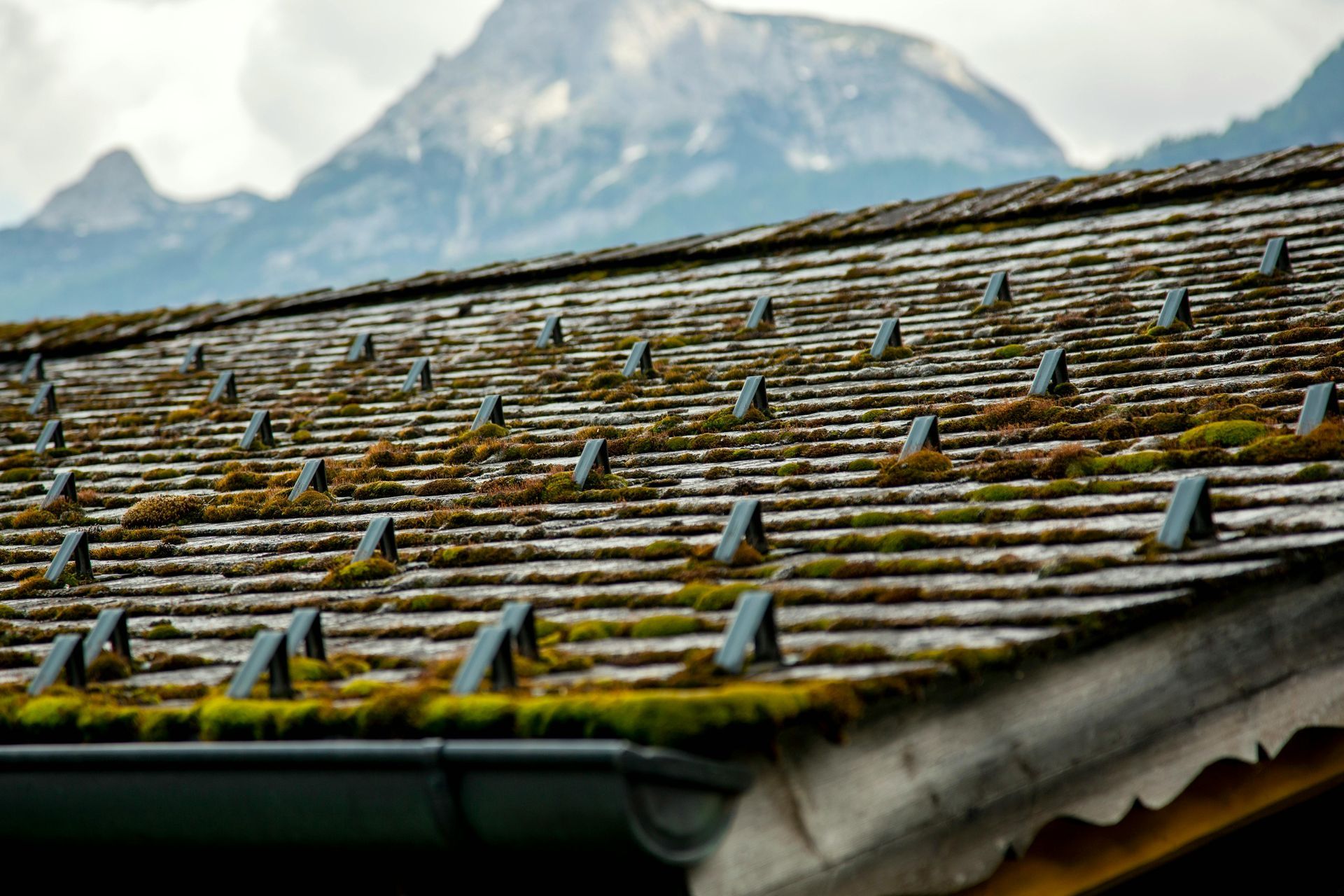
Moss might look harmless at first, but it can cause real damage over time. As it grows, it traps moisture against your roofing materials, preventing them from drying out properly. This constant moisture can lift shingle edges, accelerate wear, and shorten the overall lifespan of your roof. In addition, loose debris from moss can wash into your gutters, contributing to blockages and water overflow. What starts as a small patch of green can eventually impact multiple parts of your home’s exterior if it’s not addressed.
Why DIY Moss Removal Can Cause Roof Damage
It’s tempting to handle moss removal yourself, but the process isn’t as straightforward as it might seem.
Aggressive scraping can tear or loosen shingles. Pressure washing can strip protective granules and force water underneath roofing materials. Even walking on a wet or moss-covered roof can cause damage or create serious safety risks. The methods used matter just as much as the timing. Proper removal requires the right approach to protect both the roof and the person working on it.
Protect Your Roof Before Small Problems Become Expensive Repairs
At Fitzpatrick Painting & Construction, we’ve worked with homeowners throughout the Willamette Valley to identify and address moisture-related exterior issues before they turn into larger problems. Moss, gutters, trim, and roofing all work together, and when one area is compromised, it can affect the rest of the home. Taking a proactive approach helps protect not just your roof, but the surrounding surfaces that keep your home sealed and looking its best.
If you’ve noticed moss buildup or signs of wear, it may be worth taking a closer look. A simple inspection can help you understand what’s going on—and what makes the most sense for your home moving forward.