Does Exterior Painting Increase Property Value?

Last Updated: July 23, 2024

When it comes to selling homes, owners are always on the lookout for effective ways to boost their property value in Willamette Valley. But not everybody has the time, money, or need for major renovations or construction projects. 


That's where exterior painting comes in. 


Simple? Yes. Transformative? Yes. More affordable? Yeah, that too. The only question is, does it really help with home sales? We’ll shoot straight with you: yes! And here’s a closer look at why.


The Connection Between Curb Appeal and Property Value

Curb appeal is a term used to describe the attractiveness of a property when viewed from… well, the curb. But the street also counts. Basically it's the first impression potential buyers get when they see your home, and it plays a crucial role in real estate.


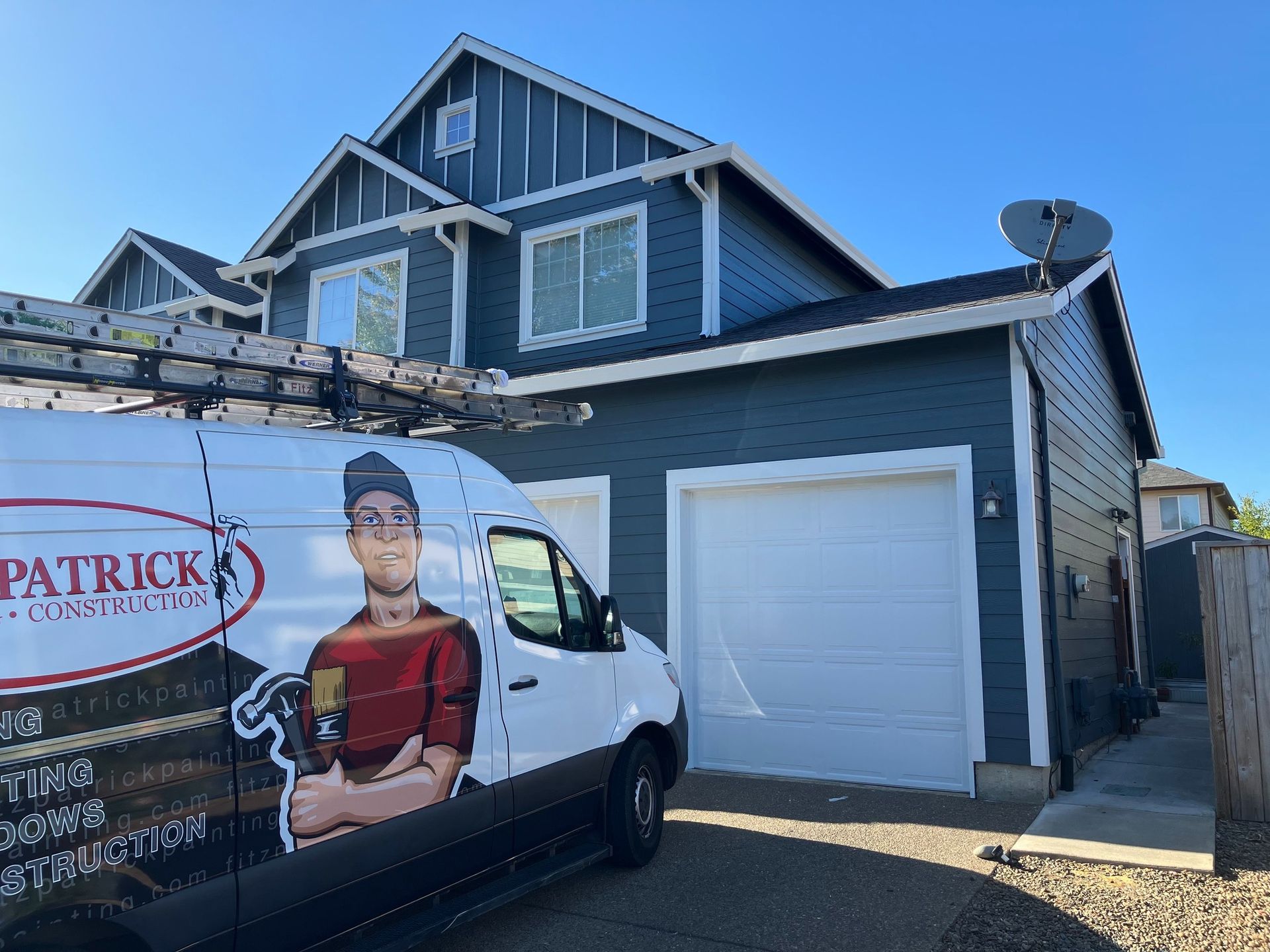
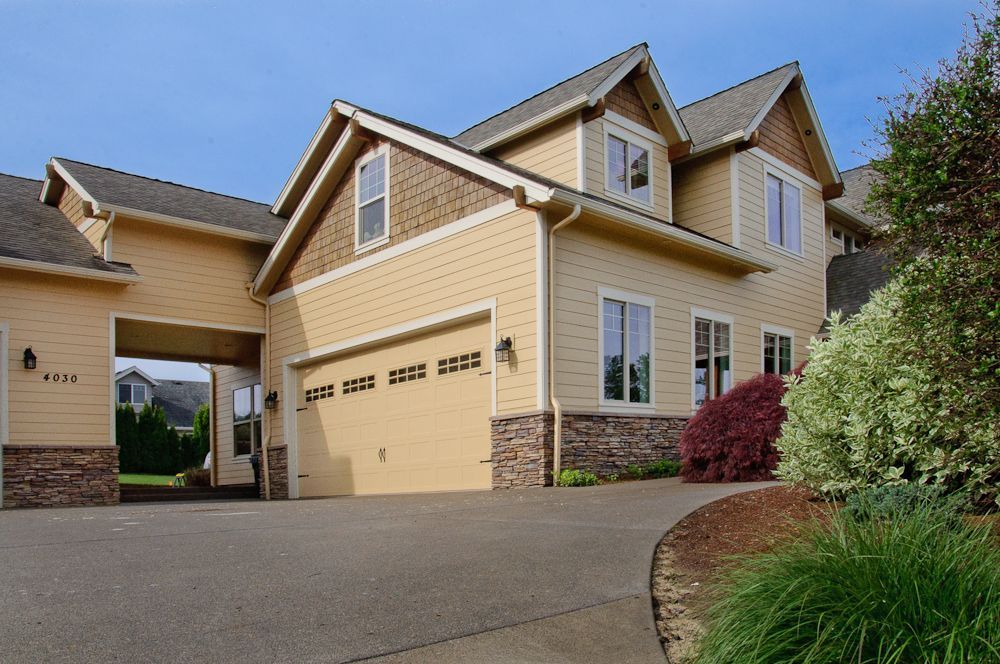
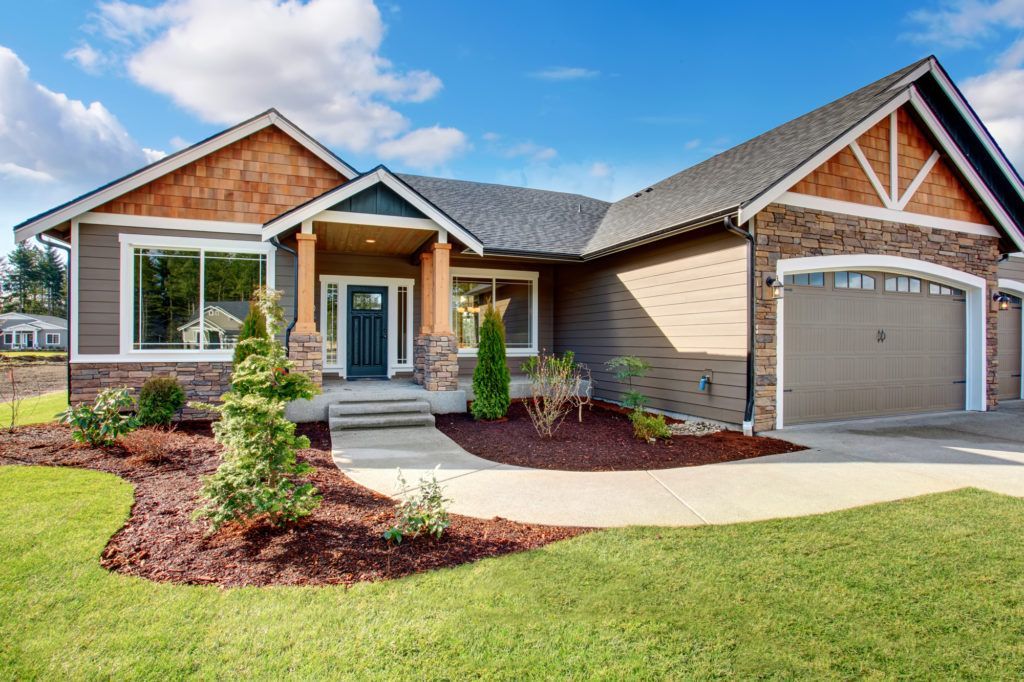
A well-maintained exterior with fresh paint can significantly enhance curb appeal, making your home more appealing to buyers. And in the competitive real estate market we have today, a visually appealing exterior can set your property apart and potentially lead to a higher sale price.
painting vs. staining a deck

Benefits of Exterior Painting for Property Value

If you're like most homeowners, you probably need some more information before making a decision like this. So let's get into the specifics. What are the benefits of exterior painting before selling a home? 


  • Immediate Aesthetic Improvements: A fresh coat of paint can dramatically transform the look of your home, making it appear cleaner, newer, and more inviting. 
  • Protection Against Weather and Environmental Damage: Exterior paint serves as a protective barrier against harsh weather conditions, UV rays, and environmental pollutants. This prevents costly damage which can lower your home’s value.
  • Energy Efficiency: Certain types of paints and colors can help improve your home's energy efficiency by reducing heat absorption. This can be an attractive feature for eco-conscious buyers and can add to the overall value of your home.
  • Real Estate and Buyer Perceptions: First impressions matter, and the exterior of your home is the first thing potential buyers see. A well-painted exterior signals that the home has been well cared for, which can positively influence buyers' perceptions. Some studies suggest that homes with fresh exterior paint can sell as much as 75% faster. 


Practical Exterior PaintingTips for Homeowners Looking to Sell

Here are some practical tips for homeowners looking to leverage exterior painting effectively:


1. Assess the Condition of Your Home’s Exterior

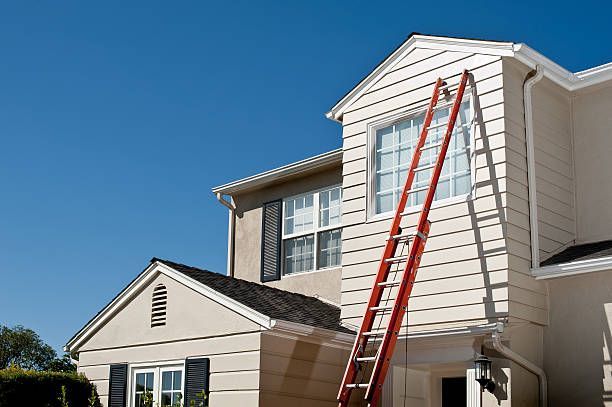
Before you begin painting, thoroughly inspect your home’s exterior. Look for signs of peeling, chipping, fading, or wood rot. Addressing these issues not only improves the aesthetics but also prevents further damage in the future. 

2. Choose the Right Colors

Selecting the right colors can significantly impact how potential buyers perceive your home. Opt for neutral and widely appealing colors such as white, beige, gray, or light earth tones. This gives your home a broader appeal. 

3. Pay Attention to Details

Don’t overlook the smaller details like trim, shutters, doors, and window frames. These accents can make a significant difference in the overall look of your home. Using contrasting colors for these elements can add visual interest and highlight architectural features.

4. Consider Professional Painting Services

While DIY painting may seem to save money at first, hiring professional painters ensures a higher quality finish and saves time. Going with the pros also means you don't have to worry about costly damage or obviously low quality work that may turn off potential buyers. In other words, nothing says “This home was cared for” like a professional paint job. 


What's the Takeaway?

So, what's the verdict? Investing in exterior painting is the way to go when it comes to simple yet effective ways to boost home value in Willamette Valley. By making the right choices you can make a lasting impression on potential buyers and enjoy the benefits of a well-maintained home in the meantime. If you're looking to boost your property value, a fresh coat of paint might be just what you need!


Exterior painting is a big job. But with professionals like Fitzpatrick Painting and Construction, we make the process easy for every customer. Contact us today with any other questions! 


Frequently Asked Questions

Q: How often should I paint the exterior of my home?

A: Typically, you should paint the exterior of your home every 8-10 years, depending on the paint quality and environmental factors.

Q: What are the best colors for boosting property value?

A: Neutral colors like white, beige, and gray are popular choices that appeal to a wide range of buyers and tend to boost property value.

Q: Can exterior paint help with energy efficiency?

A: Yes, certain reflective paints can reduce heat absorption, making your home more energy-efficient.

Q: How do I choose between different types of exterior paint?

A: Consider factors like durability, weather resistance, and aesthetic appeal. High-quality paints may cost more initially but can save money in the long run by lasting longer and requiring fewer touch-ups.

September 4, 2026
See what it takes to paint a large apartment building in Eugene, Oregon. Go behind the scenes of Fitzpatrick Painting & Construction's Franklin Apartments exterior painting project.
August 27, 2026
Wondering how long painted kitchen cabinets really last? Learn what affects their lifespan and how to keep your Willamette Valley kitchen looking great.
August 25, 2026
Repainting a home in an HOA? Learn what to check before you start, including approved colors, architectural review requirements, timelines, and contractor documentation.
August 13, 2026
Should you paint before or after installing new flooring? Learn the best project order for walls, ceilings, floors, baseboards, trim, and final touch-ups.
July 30, 2026
How long does a paint job last? Learn typical interior and exterior paint lifespans in the Willamette Valley and what factors help your paint last longer.
July 14, 2026
Looking for an interior painter in Salem? Use this checklist to compare contractors, ask the right warranty questions, spot red flags, and hire with confidence.
June 30, 2026
Planning interior painting for a Portland condo or townhome? Learn color, lighting, ventilation, HOA, and scheduling tips before starting your project.
June 30, 2026
Learn why some Salem homes need more exterior paint prep due to older siding, peeling paint, moisture damage, mildew, and Oregon weather.
June 30, 2026
Learn how Eugene’s rainy season affects exterior painting, including prep, drying time, scheduling, and how professionals plan around wet weather.
June 30, 2026
Older wood siding can give a Corvallis home a lot of character, but it also needs the right care before repainting. If your siding looks faded, peeling, cracked, or weathered, paint may help restore its appearance and protection. However, older wood siding should be checked for moisture damage, failing paint, soft wood, and proper prep needs before any new coating is applied. Painting over problems does not make them go away. In many cases, the most important part of the project happens before the first coat of paint goes on. A careful inspection, thorough prep work, and the right exterior painting process can make a major difference in how long the finished result lasts. Why Older Wood Siding Needs Extra Attention Before Painting Older wood siding does not behave the same way as newer siding materials. Wood can absorb moisture, expand, contract, crack, and show signs of age in ways that are not always obvious from a distance. A home may look like it only needs fresh paint, but once the surface is cleaned and inspected, there may be soft boards, open seams, or areas where old paint is no longer bonded well. This is especially important for older homes in Corvallis and the surrounding Willamette Valley. Many houses in the area have been through years of rain, shade, damp winters, and seasonal temperature changes. Over time, those conditions can wear down paint and expose the siding underneath. Before repainting, homeowners need to know whether the siding is still sound enough to hold paint properly. How Corvallis Weather Affects Wood Siding Corvallis weather can be tough on exterior wood. Wet winters, damp spring conditions, tree cover, and moss-prone areas can all speed up paint failure. Even when a home looks fine during the drier months, moisture may have already worked its way into weak spots around trim, lower siding, windows, or shaded walls. The shaded sides of a home often show wear sooner than areas with better sunlight and airflow. North-facing walls, areas under trees, and spots near landscaping may stay damp longer after rain. That extra moisture can lead to peeling paint, mildew growth, swollen wood, and surface damage. Because of this, painting older wood siding in Corvallis is not just about choosing a new color. It is about making sure the siding is dry, stable, and properly prepared for long-term protection. Signs Your Wood Siding Needs More Than a Quick Repaint A quick repaint may improve the look of a home for a short time, but it will not solve deeper siding problems. If the paint has failed because of moisture, rot, poor prep, or damaged wood, the same issues can come back after the new paint is applied. Before repainting older wood siding, homeowners should look for signs that repairs or extra prep may be needed first. Peeling Paint That Keeps Coming Back If the same areas keep peeling year after year, there is usually a reason. Repeated peeling can point to trapped moisture, poor previous prep work, or an older coating that is no longer bonded well to the siding. Simply painting over those areas may cover the problem temporarily, but the new paint may fail again if the surface underneath is not properly scraped, sanded, primed, and prepared. Peeling paint is especially common around areas that hold moisture, such as lower walls, window trim, and shaded sides of the house. These spots should be checked carefully before repainting. Soft Wood Near Trim or Lower Siding Soft wood is a warning sign that should not be ignored. Areas near the bottom of walls, windows, doors, and trim are often more vulnerable because water can collect, splash back, or enter through gaps. If the wood feels soft, swollen, crumbly, or weakened, paint will not fix it. Damaged wood should be repaired or replaced before painting. Painting over soft or rotted wood can trap moisture and make the problem worse. It can also shorten the life of the new paint job because the coating needs a solid surface to bond to. Cracks, Gaps, and Open Seams Cracks, gaps, and open seams allow moisture to get behind the siding or into trim joints. Over time, that moisture can lead to swelling, rot, peeling paint, and more repairs. These openings may be small, but they can have a big impact on how well the siding holds up after painting. Before paint is applied, failing caulking should be removed where needed, gaps should be sealed properly, and damaged areas should be addressed. This helps create a tighter exterior surface and gives the new paint a better chance to last. Why Prep Work Matters More on Older Siding Prep work is one of the biggest factors in how long an exterior paint job lasts, especially on older wood siding. If the surface is dirty, loose, glossy, damp, or damaged, new paint will not perform the way it should. Older siding often needs more detailed preparation because it may have layers of old paint, uneven surfaces, exposed wood, or problem areas that are easy to miss. A proper prep process may include washing the siding, removing loose paint, sanding rough edges, spot priming bare wood, sealing gaps, repairing damaged boards, and making sure the surface is ready for finish coats. These steps take time, but they are what help the paint bond correctly and protect the siding longer. Skipping prep may save time upfront, but it often leads to peeling, cracking, and repainting sooner than expected. Should Older Wood Siding Be Painted or Repaired First? Paint is designed to protect sound siding, not repair damaged siding. If the wood is still in good condition, a professional exterior painting project can help restore the home’s appearance and protect it from future weather exposure. But if there is rot, water damage, loose boards, or failing trim, those problems need to be addressed before painting. A professional inspection can help homeowners understand what the siding actually needs. Some homes only need minor repairs, targeted scraping, priming, and repainting. Others may need board replacement, trim repair, or more detailed prep before paint can be applied. Knowing this ahead of time helps avoid wasting money on a paint job that will not hold up.  For Corvallis homeowners, this is especially important because moisture-related siding issues can be easy to overlook until the surface is closely inspected. Getting the condition of the siding right first helps protect both the finished look and the home itself.
June 29, 2026
Choosing a kitchen remodel contractor? Learn what to look for, which questions to ask, and how to find the right professional for your Willamette Valley kitchen renovation.
June 15, 2026
Wondering if it's time for a bathroom remodel? Discover 6 common signs, from moisture problems and outdated fixtures to poor layouts and lack of storage, and learn when a remodel is the right investment.
More Posts