
Seasonal Painting Tips for Healthcare and Retirement Homes: Maintaining Fresh and Safe Spaces
Last Updated: October 31, 2024
Creating a welcoming, clean, and safe environment is central to maintaining healthcare and retirement homes in the Willamette Valley. These spaces are more than buildings; they’re where residents and patients find care and comfort. So, every detail in the physical environment, from the lighting to the layout, should reflect your commitment to their well-being.
One key yet often overlooked detail? Interior painting. When done thoughtfully, it goes far beyond aesthetics—it shapes the atmosphere, reinforces safety, and contributes to a sense of care that’s felt by everyone who walks through the door.
Understanding the Needs of Healthcare and Retirement Homes
It goes without saying: healthcare and retirement facilities have unique painting needs that go beyond aesthetics. High-traffic areas experience regular wear and tear, and frequent cleaning can cause paint to degrade faster than in typical environments. Additionally, maintaining a sanitary and safe environment is paramount. This is why painting should not only be about beautification but also about durability and hygiene.
Seasonal painting schedules allow healthcare and retirement homes to address their most critical areas—like hallways, communal spaces, and entryways—at the right time, ensuring minimal disruption and maximum effectiveness.
Seasonal Painting Considerations
It’s all about having a predictable maintenance plan, simplifying your to-do list and keeping your facility looking its best throughout the year.
1. Spring/Summer: Refreshing the Exterior and Common Areas
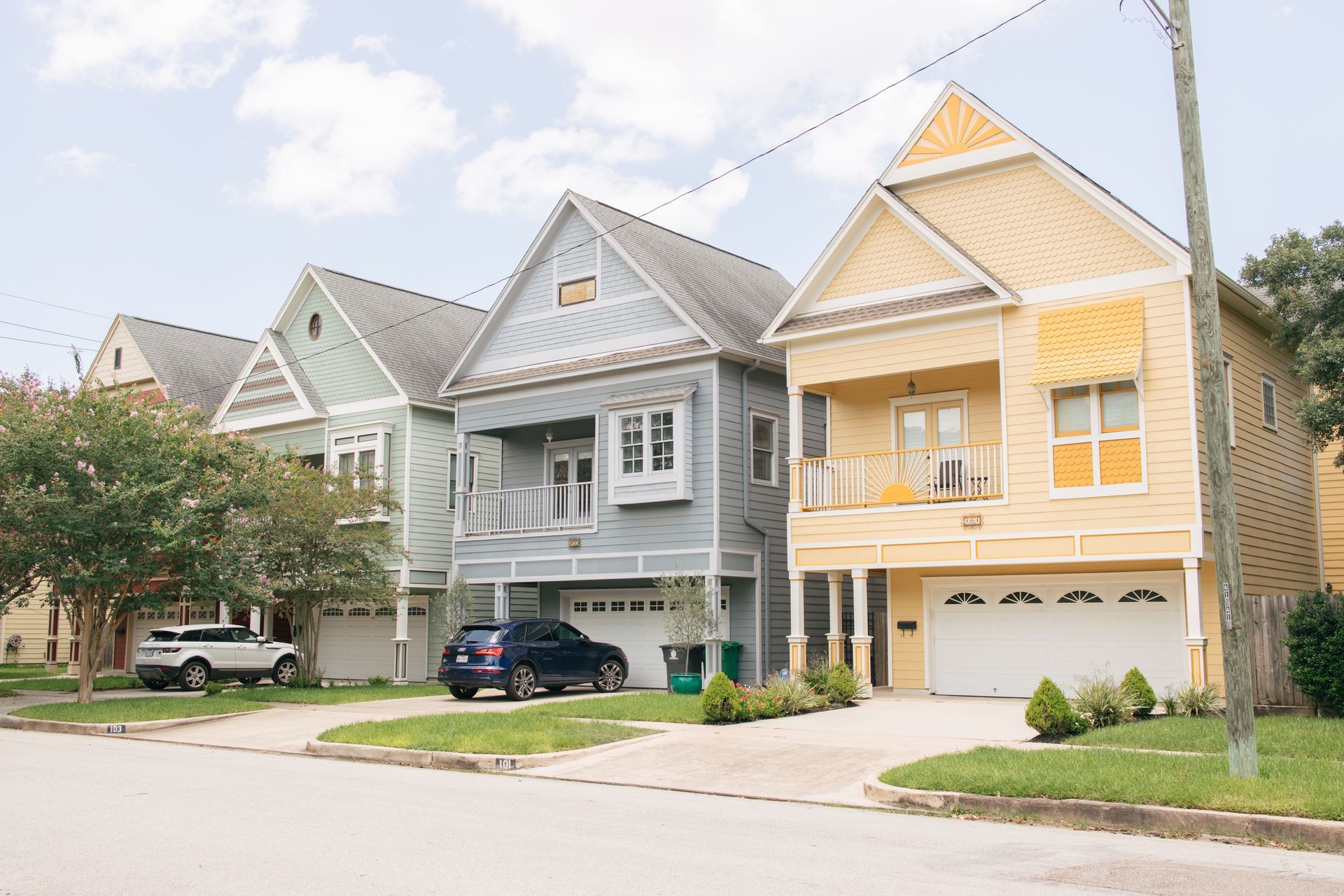
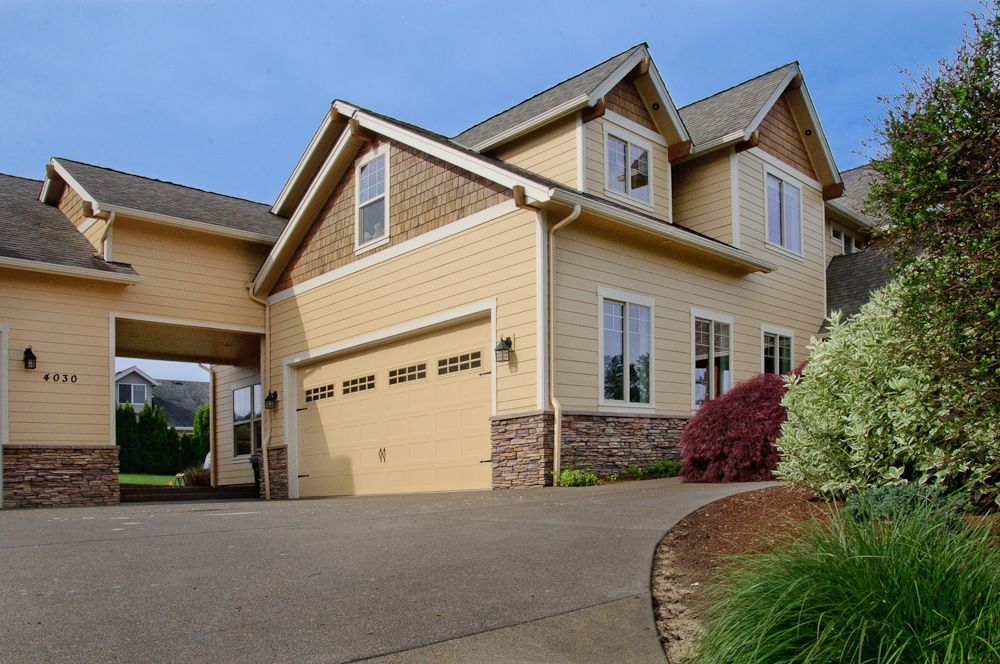
Spring and summer are ideal seasons for tackling exterior painting projects. The mild weather conditions mean paint will dry faster, and there’s less risk of moisture interfering with the application.
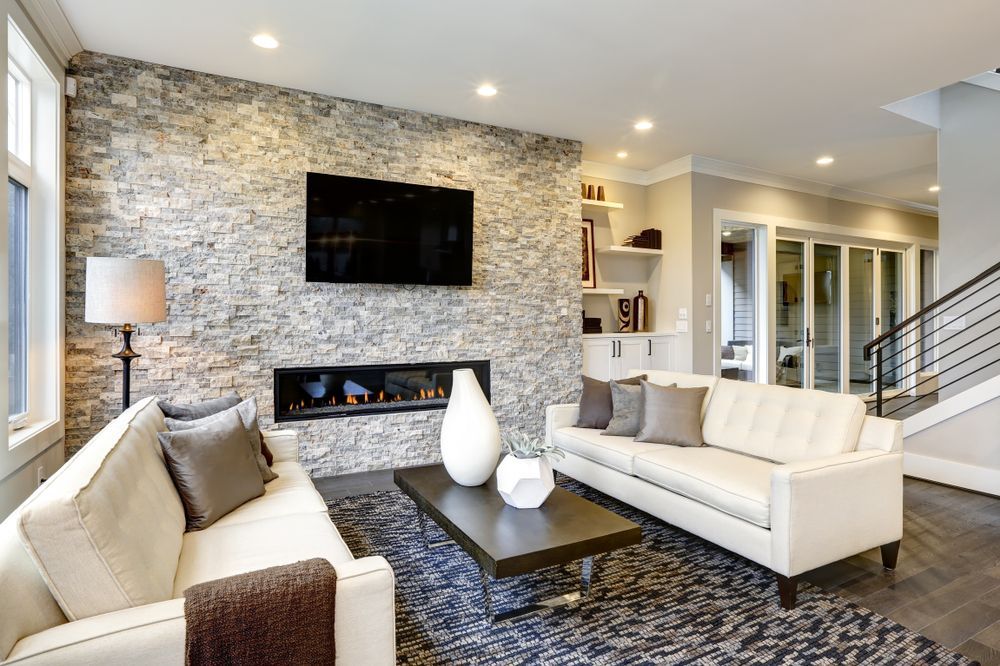
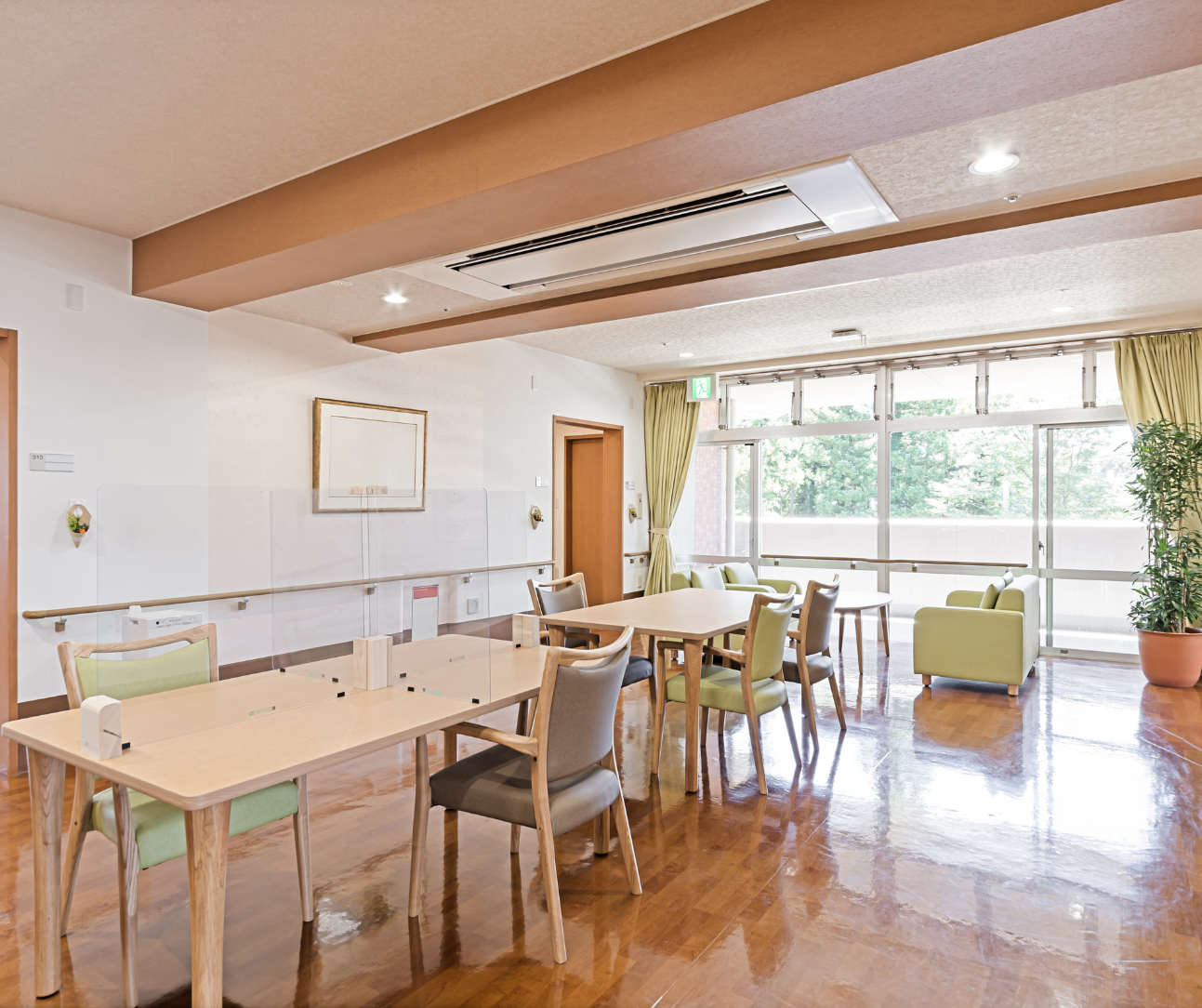
Also consider brightening up communal spaces, such as dining areas and lounges. This can lift spirits and provide a fresh, inviting atmosphere. Seasonal colors like pastels or light neutrals can help create a calm and pleasant environment for residents.
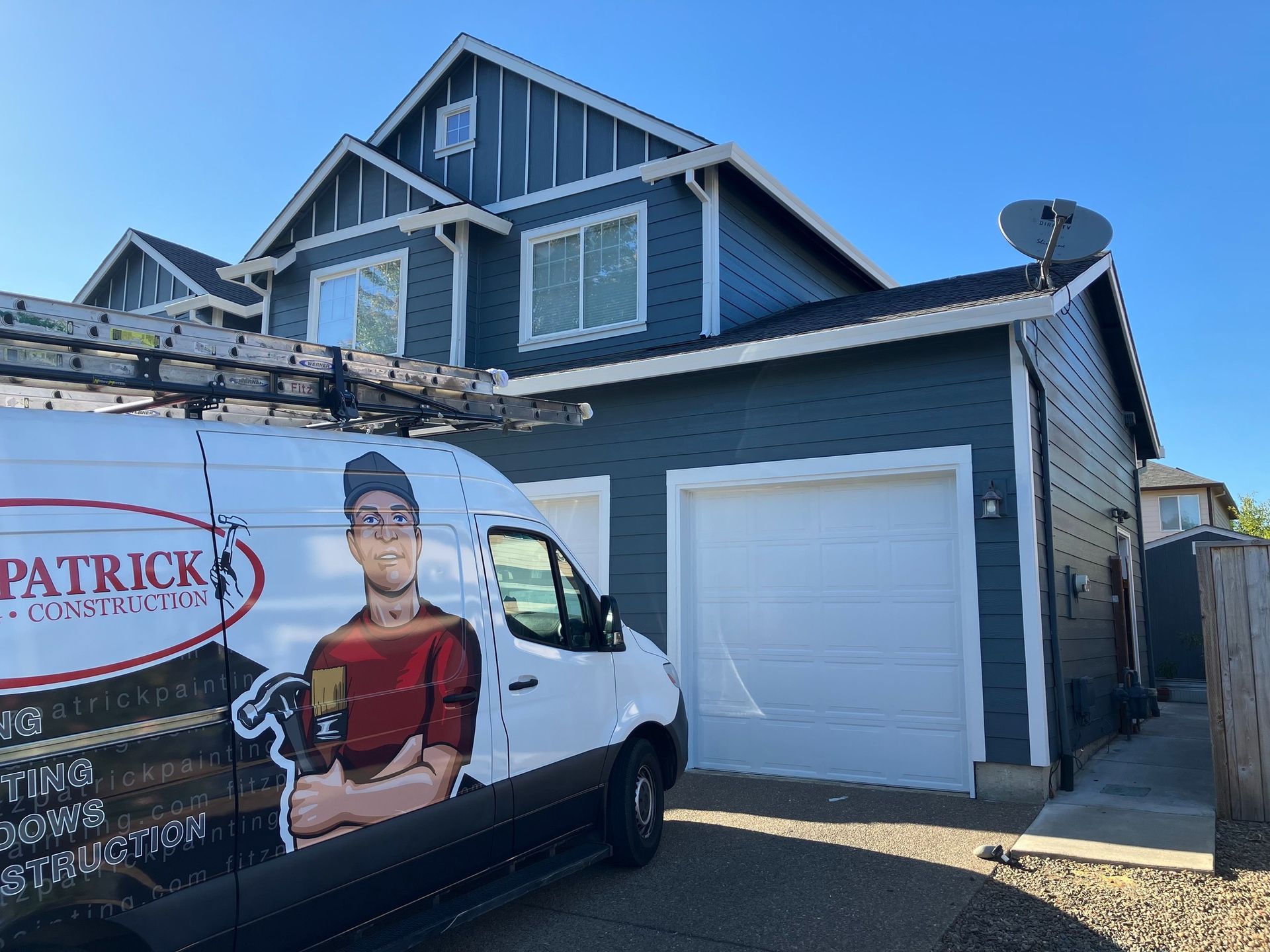
Summer into early fall is an ideal time for exterior painting too. The lower chances of rain and consistent temps allow for larger projects to be completed faster and with less interference from the weather.
2. Fall/Winter: Focus on Interior Updates
The cooler months are ideal for tackling interior projects. During fall and winter, healthcare and retirement homes often operate at a more predictable pace, making it a good time to schedule interior painting updates without significantly disrupting daily routines.
Winter is a great time to refresh patient rooms, hallways, and bathrooms with more durable finishes that can withstand regular cleaning.
Choosing the Right Paint for Healthcare and Retirement Homes
Let's talk more about what paint to use. It may all look the same when it's on the store shelf, but there is actually a vast array of kinds and qualities.
- Choose “Healthier” Paints: Low-VOC and antimicrobial paints are best for indoor painting in medical and retirement facilities. Low-VOC paints emit fewer harmful chemicals, which is especially important in environments where residents may have respiratory issues or compromised immune systems.
- Choose Durable Paints: Durability is another important factor. Paint in high-traffic areas should withstand frequent scrubbing and cleaning. Special coatings, such as non-slip floor paints, can also be considered for areas where safety is a concern, such as hallways or bathrooms.
Practical Tips for Minimal Disruption
Medical facilities are often not like other businesses or organizations. They typically are running 24/7, which makes any kind of renovations or improvements difficult. But there are some ways around major disruptions. For example:
- Schedule painting during off-peak hours or slower seasons when fewer residents are in common areas.
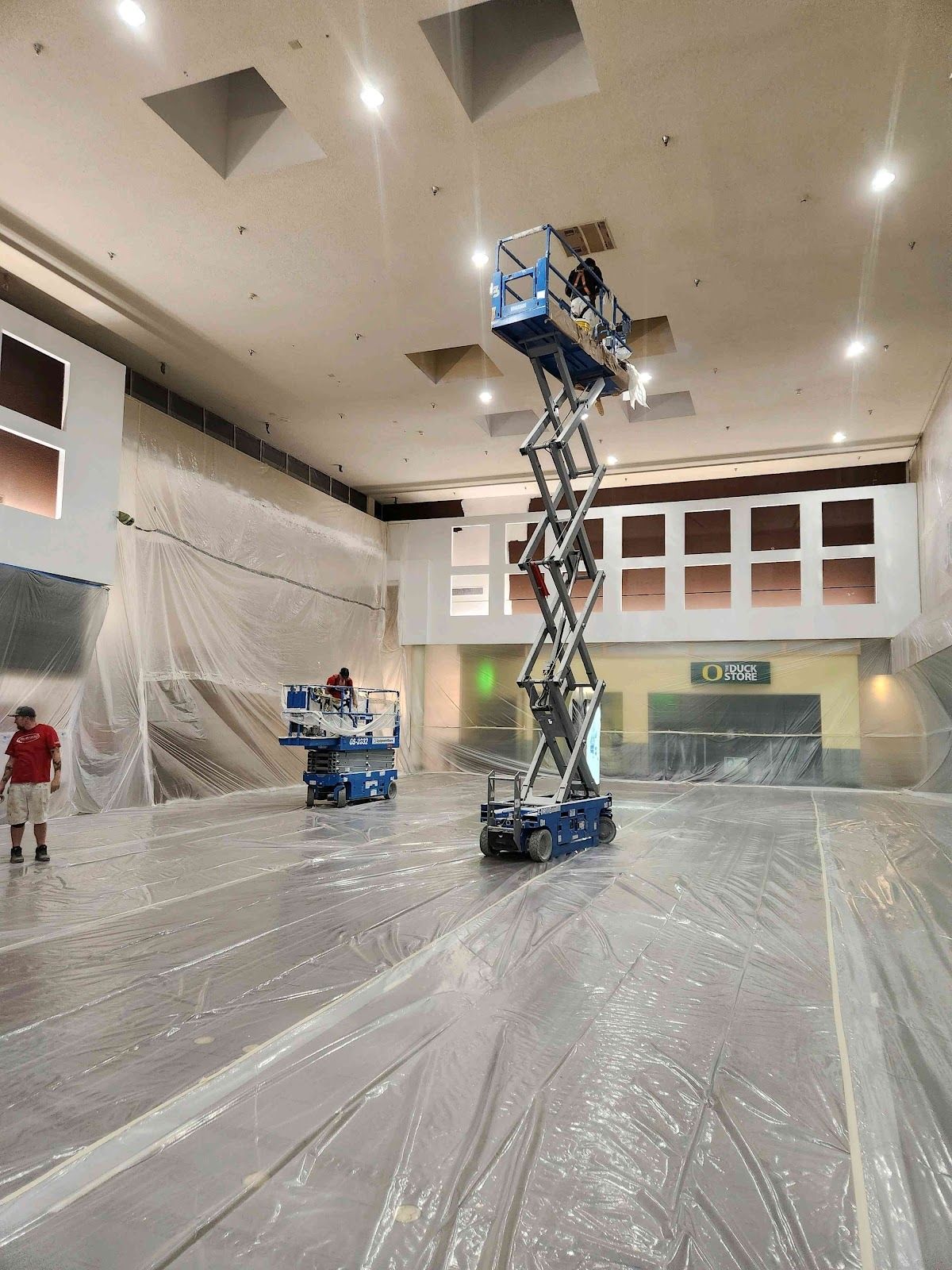
- Use temporary barriers to section off areas being painted.
- Ensure proper ventilation to minimize the impact of paint fumes, especially when painting in interior spaces.
- Communicate clearly with staff, residents, and visitors about painting schedules, safety protocols, and expected timelines.
What's the Takeaway?
Incorporating seasonal painting into healthcare and retirement homes not only helps maintain a fresh and welcoming environment but also ensures the safety and well-being of residents. And choosing the right materials and focusing on high-traffic areas are the keys to creating facilities that are both beautiful and functional!
Looking for a commercial painter? At Fitzpatrick Painting & Construction, we are committed to supporting the businesses and organizations that help keep our communities safe and healthy. Painting healthcare facilities is more than just a project for us—it’s an honor. Contact us today with any questions or to request an estimate!
Frequently Asked Questions (FAQs)
Q: Why should healthcare and retirement homes use low-VOC paints?
A: Low-VOC paints emit fewer harmful chemicals than traditional paints, making them safer for residents, especially those with respiratory issues or compromised immune systems.
Q: How often should healthcare facilities repaint high-traffic areas?
A: High-traffic areas in healthcare and retirement homes may need to be repainted every 2-3 years, depending on the level of wear and tear and the frequency of cleaning. Regular inspections can help determine the right schedule.
Q: What colors work best for healthcare and retirement home environments?
A: Soft, neutral colors such as light blues, greens, and beiges can create a calming environment. Accent colors, such as warm tones, can be used to make spaces feel more welcoming and less clinical, helping to lift residents' moods.
Q: How can painting help with infection control?
A: Using antimicrobial paints in healthcare settings can help reduce the spread of bacteria and germs on frequently touched surfaces like walls, door frames, and railings, contributing to better hygiene and infection control practices.