Why Is It So Expensive to Paint a House?

Last Updated: August 20, 2025

We’ve all been there. You get an interior painting estimate, and your first thought is: “Wait a second, it costs how much to roll some paint on the walls?” 


At first glance, professional painting might seem pricey. But the truth is, you’re paying for far more than just the paint itself. A high-quality paint job is built on skill, preparation, safe practices, and durable materials that last. Let’s peel back the layers of what goes into the cost so you can see why it’s an investment that pays off.


Labor Costs Make Up a Large Portion of the Price

Labor is the biggest factor in most painting quotes, and for good reason. Professional painters are skilled tradespeople who bring precision, efficiency, and years of experience to your project. They’re not just “rolling paint”; they’re carefully cutting in clean edges, working safely on ladders, and managing details that DIYers often overlook.


Labor also covers all the tasks around painting that don’t always come to mind, such as:

  • Protecting your furniture, floors, and landscaping
  • Taping and masking for sharp lines
  • Moving and covering heavy items
  • Thorough daily cleanup so your home doesn’t feel like a construction zone

When you factor in the time and expertise required, labor quickly becomes the backbone of the price.


Preparation Is Time-Consuming but Essential

Here’s the part most homeowners underestimate: the prep. A lasting, beautiful paint job is 70% preparation and only 30% actual painting. Skipping or rushing prep work is why some paint jobs peel, bubble, or look uneven after just a year.

Proper preparation includes:

  • Patching and repairing damaged walls or trim
  • Sanding for smooth surfaces
  • Priming to ensure even coverage and strong adhesion
  • Masking and caulking for crisp lines and sealed edges

These steps take time, but they’re what separate a professional finish from a quick cover-up.
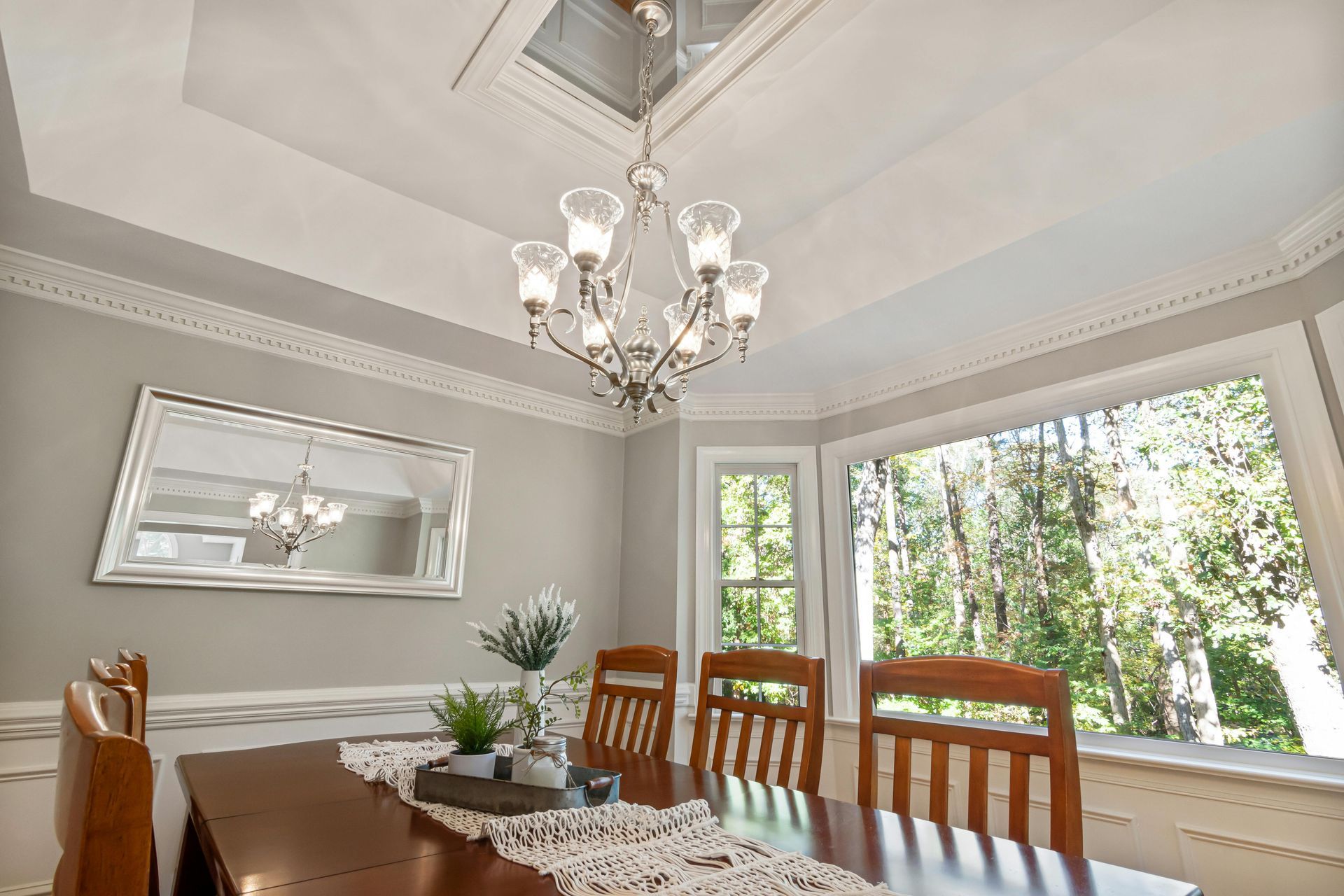
Dining room with table, chairs, chandelier, mirror, and large window overlooking trees.

Higher Quality Paint Costs More, But Performs Better

Not all paint is created equal. While bargain-bin options might look fine on day one, they often fade, scuff, or peel quickly, leaving you repainting sooner. Premium paints are engineered for durability, richer color, and easier cleaning, which saves money in the long run.


What Impacts Paint Pricing? 

Several factors can influence how much a gallon of paint costs. Brand reputation and performance testing often drive up the price since premium brands are formulated for better coverage and durability. The type of finish also matters, as matte, satin, semi-gloss, and gloss each come with different price tags and performance qualities. 


Paints with low or no VOCs are healthier for indoor air quality, but they typically cost more. Even your color choice can make a difference because deep or highly saturated shades often require extra coats to achieve an even finish. So while the upfront price tag of higher quality paint might sting a little, it’s actually an investment in longevity and value.


Insurance and Business Overhead Are Built Into the Price

Reputable painting companies don’t just show up with a bucket of paint. They carry liability and worker’s compensation insurance to protect you and their crew. They pay their employees fairly (at least they should), maintain vehicles, and invest in professional-grade equipment.


These overhead costs are built into your quote, and while they add to the bottom line, they also ensure you’re hiring a reliable, professional team. In other words, you’re not just buying paint, you’re buying peace of mind.

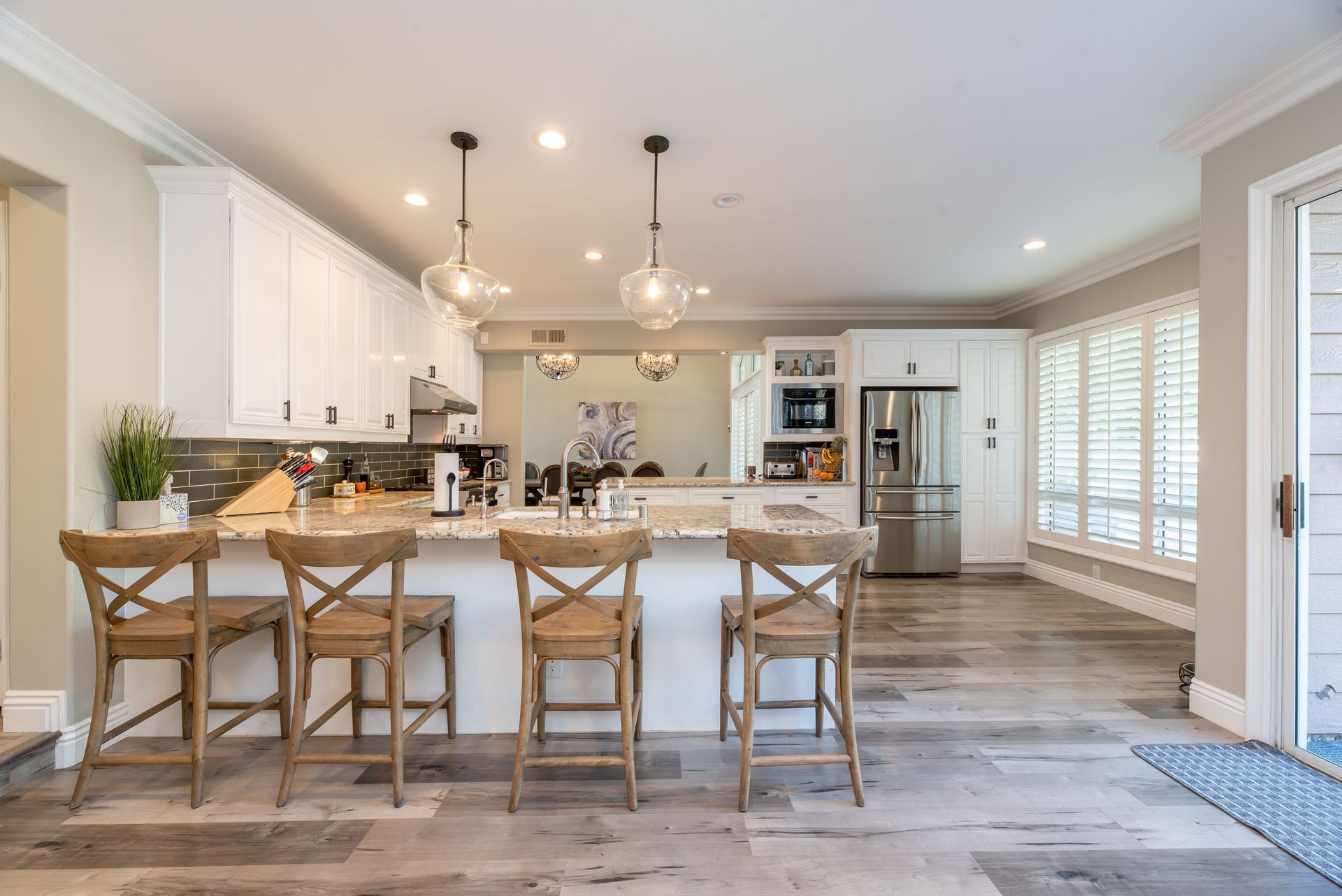
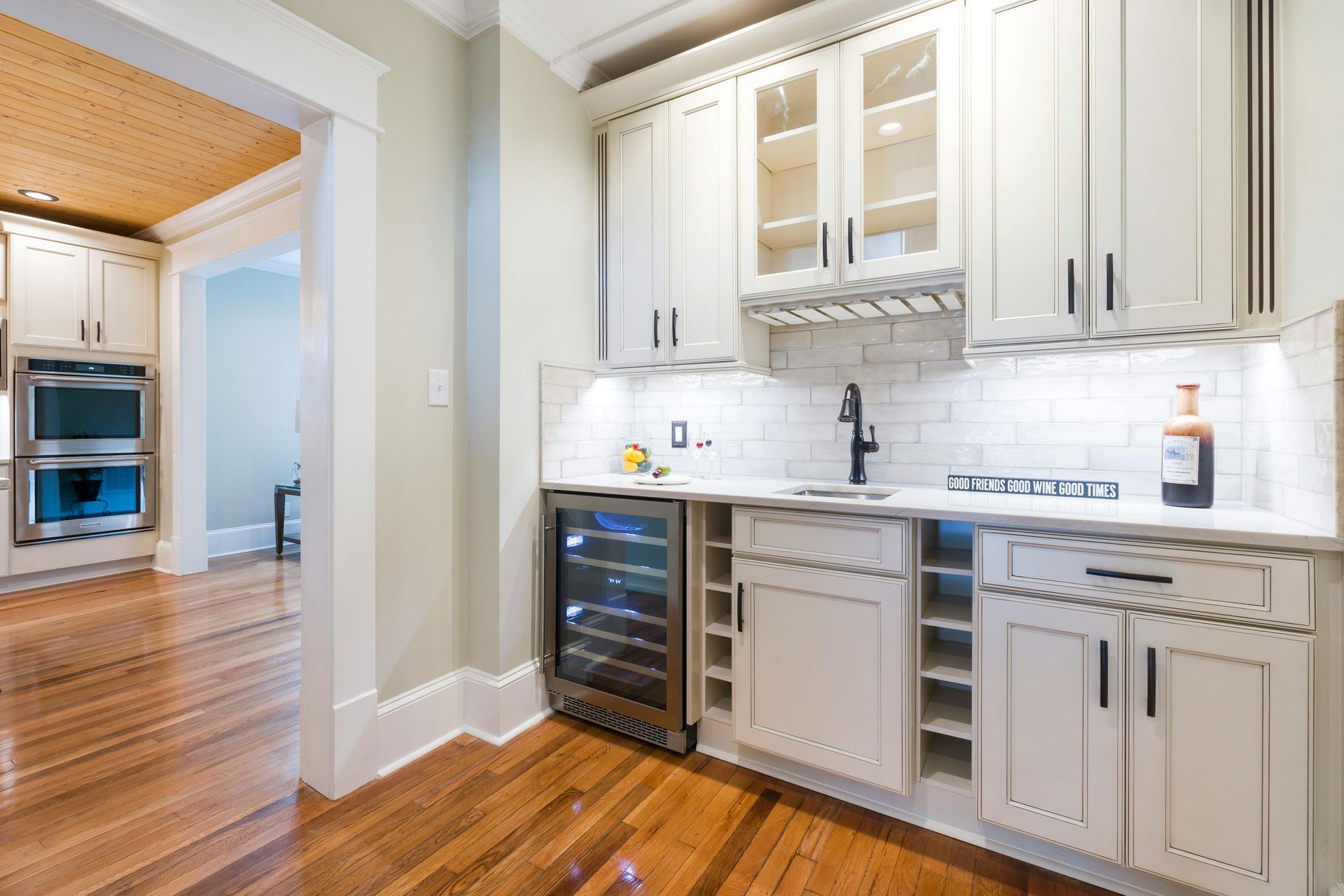
Modern, open-concept apartment with a kitchen, dining area, and living room featuring wood floors and white walls.

Investing in Professional Painting Pays Off Over Time

A well-done paint job also enhances your home’s value, protects surfaces from wear and tear, and reduces the risk of needing early touch-ups or repairs. Professional painting often lasts years longer than a rushed DIY job, which means you save money and hassle over time.


Think of it like replacing your roof: it’s not cheap, but you wouldn’t cut corners on something that protects your biggest investment.


The Takeaway? 

Here is the short and sweet: painting a house may feel expensive at first glance, but when you factor in labor, preparation, materials, and peace of mind, the cost reflects the value of a professional service. 


Why Homeowners in Oregon Trust Fitzpatrick Painting & Construction

If you’re considering a painting project, we offer free, no-obligation estimates so you can understand exactly what goes into the cost. Quality craftsmanship is our standard, not the exception!


Frequently Asked Questions

Q: What’s included in a professional painting quote?
A: Typically, prep work, labor, materials, cleanup, and warranty coverage.

Q: Why does prep take so long and cost so much?
A: Because it’s what ensures the paint adheres properly and lasts. Good prep prevents peeling, bubbling, and uneven finishes.

Q: How do I know if I’m getting a fair price for painting?
A: Get multiple quotes, compare the scope of work, and make sure each company is licensed and insured.

Q: Does higher quality paint really make a difference?
A: Yes. Premium paints last longer, cover better, and resist fading or scuffs more effectively.

Q: Can I save money by doing part of the job myself?
A: Sometimes, like moving furniture or removing wall hangings, but leaving the actual prep and painting to pros will deliver the best long-term results.

September 4, 2026
See what it takes to paint a large apartment building in Eugene, Oregon. Go behind the scenes of Fitzpatrick Painting & Construction's Franklin Apartments exterior painting project.
August 27, 2026
Wondering how long painted kitchen cabinets really last? Learn what affects their lifespan and how to keep your Willamette Valley kitchen looking great.
August 25, 2026
Repainting a home in an HOA? Learn what to check before you start, including approved colors, architectural review requirements, timelines, and contractor documentation.
August 13, 2026
Should you paint before or after installing new flooring? Learn the best project order for walls, ceilings, floors, baseboards, trim, and final touch-ups.
July 30, 2026
How long does a paint job last? Learn typical interior and exterior paint lifespans in the Willamette Valley and what factors help your paint last longer.
July 14, 2026
Looking for an interior painter in Salem? Use this checklist to compare contractors, ask the right warranty questions, spot red flags, and hire with confidence.
June 30, 2026
Planning interior painting for a Portland condo or townhome? Learn color, lighting, ventilation, HOA, and scheduling tips before starting your project.
June 30, 2026
Learn why some Salem homes need more exterior paint prep due to older siding, peeling paint, moisture damage, mildew, and Oregon weather.
June 30, 2026
Learn how Eugene’s rainy season affects exterior painting, including prep, drying time, scheduling, and how professionals plan around wet weather.
June 30, 2026
Older wood siding can give a Corvallis home a lot of character, but it also needs the right care before repainting. If your siding looks faded, peeling, cracked, or weathered, paint may help restore its appearance and protection. However, older wood siding should be checked for moisture damage, failing paint, soft wood, and proper prep needs before any new coating is applied. Painting over problems does not make them go away. In many cases, the most important part of the project happens before the first coat of paint goes on. A careful inspection, thorough prep work, and the right exterior painting process can make a major difference in how long the finished result lasts. Why Older Wood Siding Needs Extra Attention Before Painting Older wood siding does not behave the same way as newer siding materials. Wood can absorb moisture, expand, contract, crack, and show signs of age in ways that are not always obvious from a distance. A home may look like it only needs fresh paint, but once the surface is cleaned and inspected, there may be soft boards, open seams, or areas where old paint is no longer bonded well. This is especially important for older homes in Corvallis and the surrounding Willamette Valley. Many houses in the area have been through years of rain, shade, damp winters, and seasonal temperature changes. Over time, those conditions can wear down paint and expose the siding underneath. Before repainting, homeowners need to know whether the siding is still sound enough to hold paint properly. How Corvallis Weather Affects Wood Siding Corvallis weather can be tough on exterior wood. Wet winters, damp spring conditions, tree cover, and moss-prone areas can all speed up paint failure. Even when a home looks fine during the drier months, moisture may have already worked its way into weak spots around trim, lower siding, windows, or shaded walls. The shaded sides of a home often show wear sooner than areas with better sunlight and airflow. North-facing walls, areas under trees, and spots near landscaping may stay damp longer after rain. That extra moisture can lead to peeling paint, mildew growth, swollen wood, and surface damage. Because of this, painting older wood siding in Corvallis is not just about choosing a new color. It is about making sure the siding is dry, stable, and properly prepared for long-term protection. Signs Your Wood Siding Needs More Than a Quick Repaint A quick repaint may improve the look of a home for a short time, but it will not solve deeper siding problems. If the paint has failed because of moisture, rot, poor prep, or damaged wood, the same issues can come back after the new paint is applied. Before repainting older wood siding, homeowners should look for signs that repairs or extra prep may be needed first. Peeling Paint That Keeps Coming Back If the same areas keep peeling year after year, there is usually a reason. Repeated peeling can point to trapped moisture, poor previous prep work, or an older coating that is no longer bonded well to the siding. Simply painting over those areas may cover the problem temporarily, but the new paint may fail again if the surface underneath is not properly scraped, sanded, primed, and prepared. Peeling paint is especially common around areas that hold moisture, such as lower walls, window trim, and shaded sides of the house. These spots should be checked carefully before repainting. Soft Wood Near Trim or Lower Siding Soft wood is a warning sign that should not be ignored. Areas near the bottom of walls, windows, doors, and trim are often more vulnerable because water can collect, splash back, or enter through gaps. If the wood feels soft, swollen, crumbly, or weakened, paint will not fix it. Damaged wood should be repaired or replaced before painting. Painting over soft or rotted wood can trap moisture and make the problem worse. It can also shorten the life of the new paint job because the coating needs a solid surface to bond to. Cracks, Gaps, and Open Seams Cracks, gaps, and open seams allow moisture to get behind the siding or into trim joints. Over time, that moisture can lead to swelling, rot, peeling paint, and more repairs. These openings may be small, but they can have a big impact on how well the siding holds up after painting. Before paint is applied, failing caulking should be removed where needed, gaps should be sealed properly, and damaged areas should be addressed. This helps create a tighter exterior surface and gives the new paint a better chance to last. Why Prep Work Matters More on Older Siding Prep work is one of the biggest factors in how long an exterior paint job lasts, especially on older wood siding. If the surface is dirty, loose, glossy, damp, or damaged, new paint will not perform the way it should. Older siding often needs more detailed preparation because it may have layers of old paint, uneven surfaces, exposed wood, or problem areas that are easy to miss. A proper prep process may include washing the siding, removing loose paint, sanding rough edges, spot priming bare wood, sealing gaps, repairing damaged boards, and making sure the surface is ready for finish coats. These steps take time, but they are what help the paint bond correctly and protect the siding longer. Skipping prep may save time upfront, but it often leads to peeling, cracking, and repainting sooner than expected. Should Older Wood Siding Be Painted or Repaired First? Paint is designed to protect sound siding, not repair damaged siding. If the wood is still in good condition, a professional exterior painting project can help restore the home’s appearance and protect it from future weather exposure. But if there is rot, water damage, loose boards, or failing trim, those problems need to be addressed before painting. A professional inspection can help homeowners understand what the siding actually needs. Some homes only need minor repairs, targeted scraping, priming, and repainting. Others may need board replacement, trim repair, or more detailed prep before paint can be applied. Knowing this ahead of time helps avoid wasting money on a paint job that will not hold up.  For Corvallis homeowners, this is especially important because moisture-related siding issues can be easy to overlook until the surface is closely inspected. Getting the condition of the siding right first helps protect both the finished look and the home itself.
June 29, 2026
Choosing a kitchen remodel contractor? Learn what to look for, which questions to ask, and how to find the right professional for your Willamette Valley kitchen renovation.
June 15, 2026
Wondering if it's time for a bathroom remodel? Discover 6 common signs, from moisture problems and outdated fixtures to poor layouts and lack of storage, and learn when a remodel is the right investment.
More Posts